
VU GPSDR – A low-cost GPS-disciplined SDR expansion board for the Vivid Unit RK3399 touchscreen SBC

UUGEAR VU-GPSDR

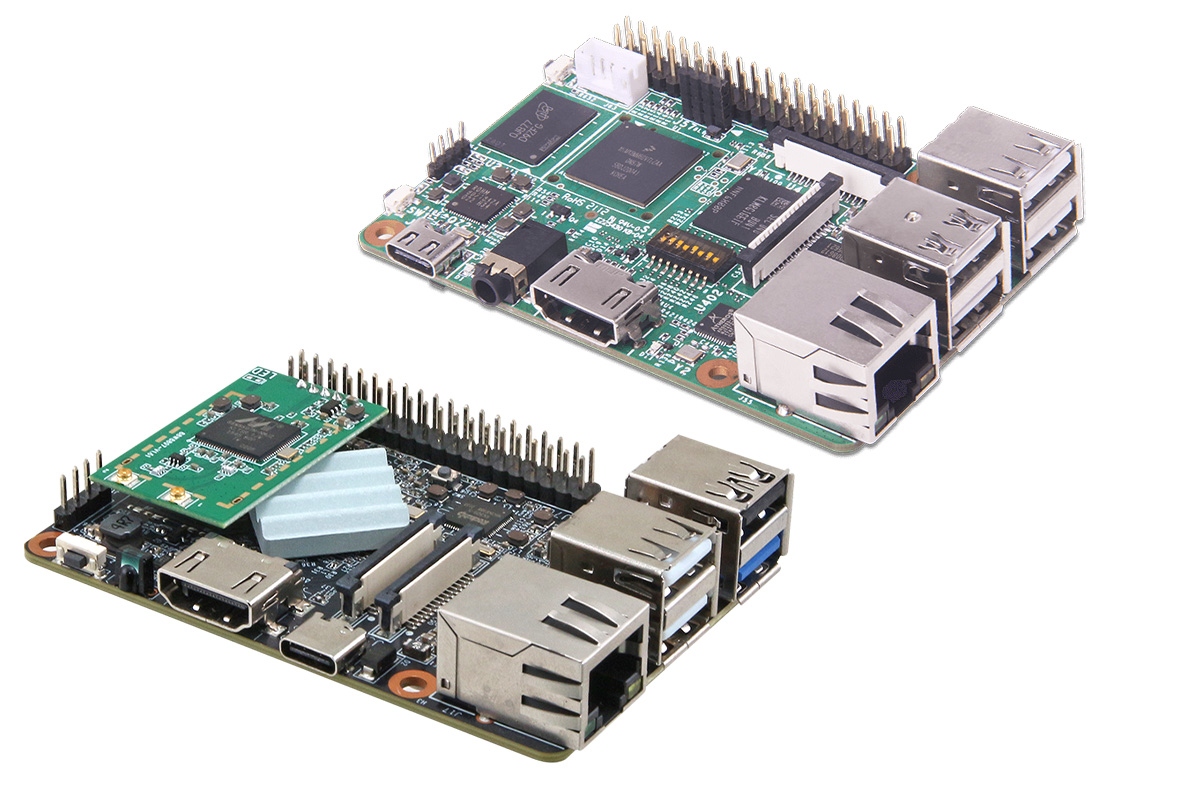
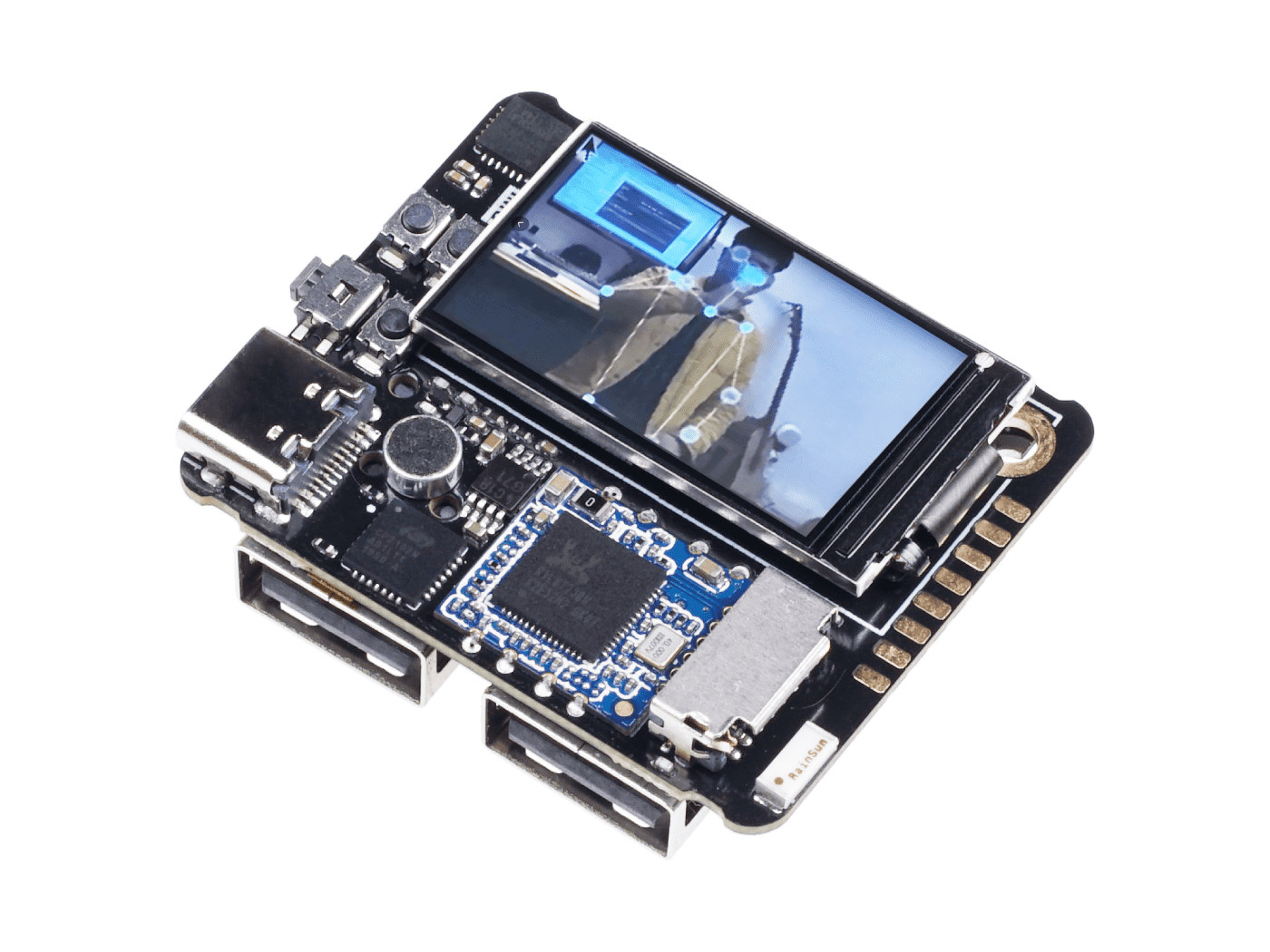
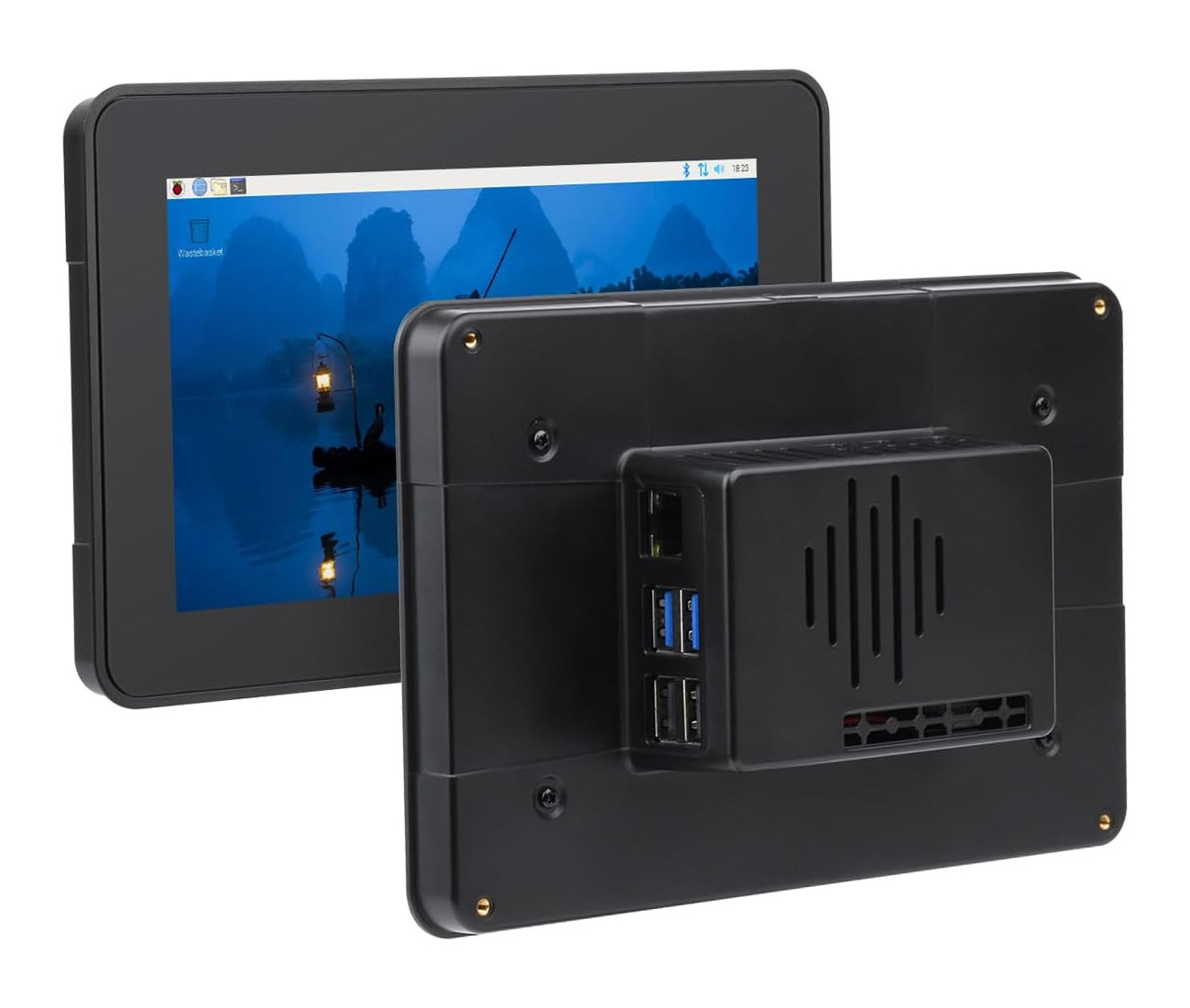
UUGear’s VU GPSDR is a low-cost GPS-disciplined SDR expansion board designed specifically for the Vivid Unit, a palm-sized Rockchip RK3399-based touchscreen SBC we covered back in 2024. The VU GPSDR is built around the RTL2832U ADC and Rafael Micro R860 tuner, but what makes it different from SDRs like the PhaseLatch Mini and DeepRad SDR  is the integration of a u-blox NEO-M8N GPS module. This module provides a GPS-disciplined 24 MHz clock reference to the Si5351 local oscillator, which ensures high frequency stability and timing accuracy that is typically only found in much more expensive SDR hardware. VU GPSDR specifications: Supported Platform – UUGear Vivid Unit via Vivid Unit Extender Gen 1/2 (See details below) MCU – STM8S003F for board-level controls RF Tuner – Rafael Micro R860 ADC – Realtek RTL2832U Frequency Range – 500 kHz to 1.766 GHz Bandwidth – Up to 3.2 MHz (2.4 MHz recommended for stability) HF […]

TOPST D3-G maker SBC is powered by Telechips TCT8050 “Dolphin3” Cortex-A72/A53/R5 automotive-grade SoC

TOPST D3-G SBC

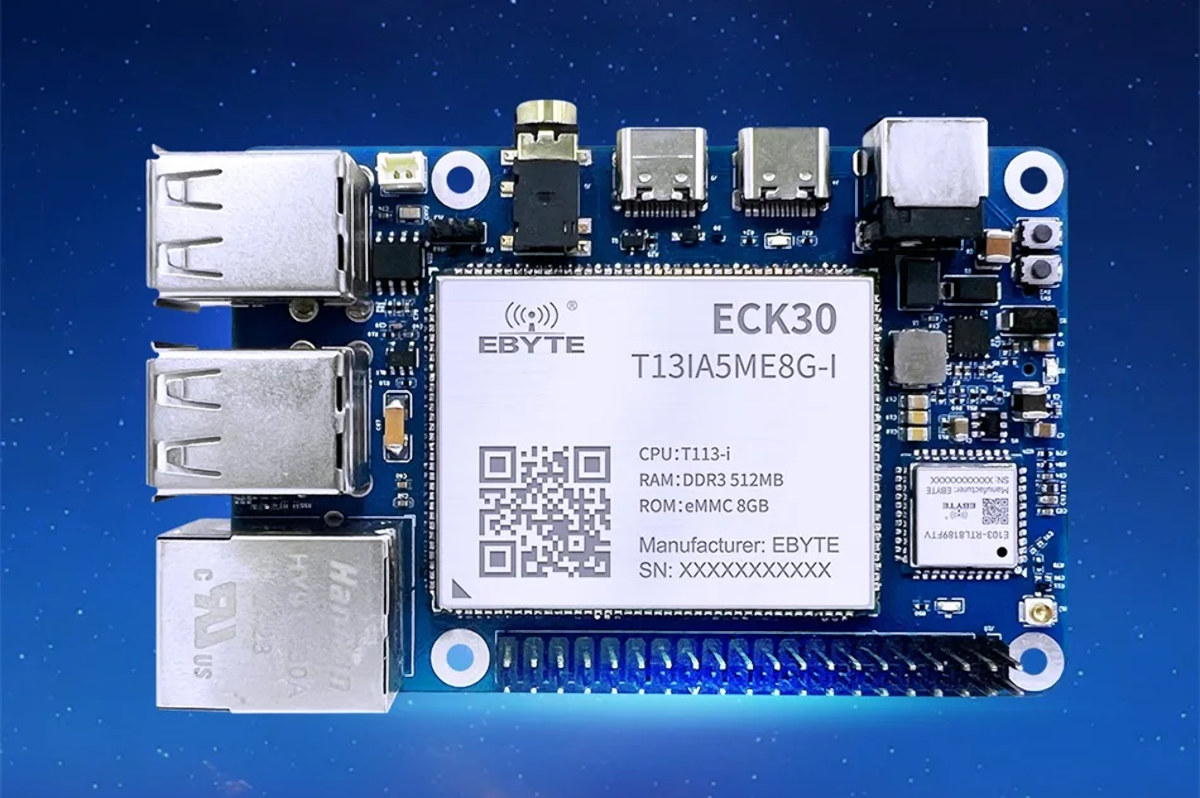
TOPST D3-G is a single board computer (SBC) powered by a Telechips TCT8050 “Dolphin3/3M” 9-core automotive-grade SoC with four Cortex-A72 cores, four Cortex-A53 cores, and one real-time Cortex-R5 core. The board features 4GB or 8GB LPDDR4 RAM, 32GB eMMC flash and a microSD card for storage, a Gigabit Ethernet port, a DisplayPort 1.2 connector capable of driving four display through MST, two MIPI CSI connectors, a PCIe Gen3x 1 slot, a few USB ports, a 40-pin GPIO header compatible with Raspberry Pi HAT+, and three CAN Bus interfaces. TOPST D3-G specifications: SoC  – Telechips TCC8050 (Dolphin3) CPU(45,180 DMIPS​) Quad-core Arm Cortex-A72 @ 1.69 GHz, 31,840 DMIPS​ Quad-core Arm Cortex-A53 @1.45 GHz, 13,340 DMIPS​​ Real-time MCU core – Arm Cortex-R5 @ 600 MHz GPU – Imagination Technologies PowerVR 9XTP (GT9524) delivering up to 168 GFLOPS; Supported APIs: OpenGL ES 1.1 / 2.0 / 3.2, Vulkan 1.2, OpenCL 2.0 / 3.0 System […]

Geniatech DB3506 is a full-featured Rockchip RK3506 development board and 3.5-inch industrial SBC

Geniatech DB3506 development board

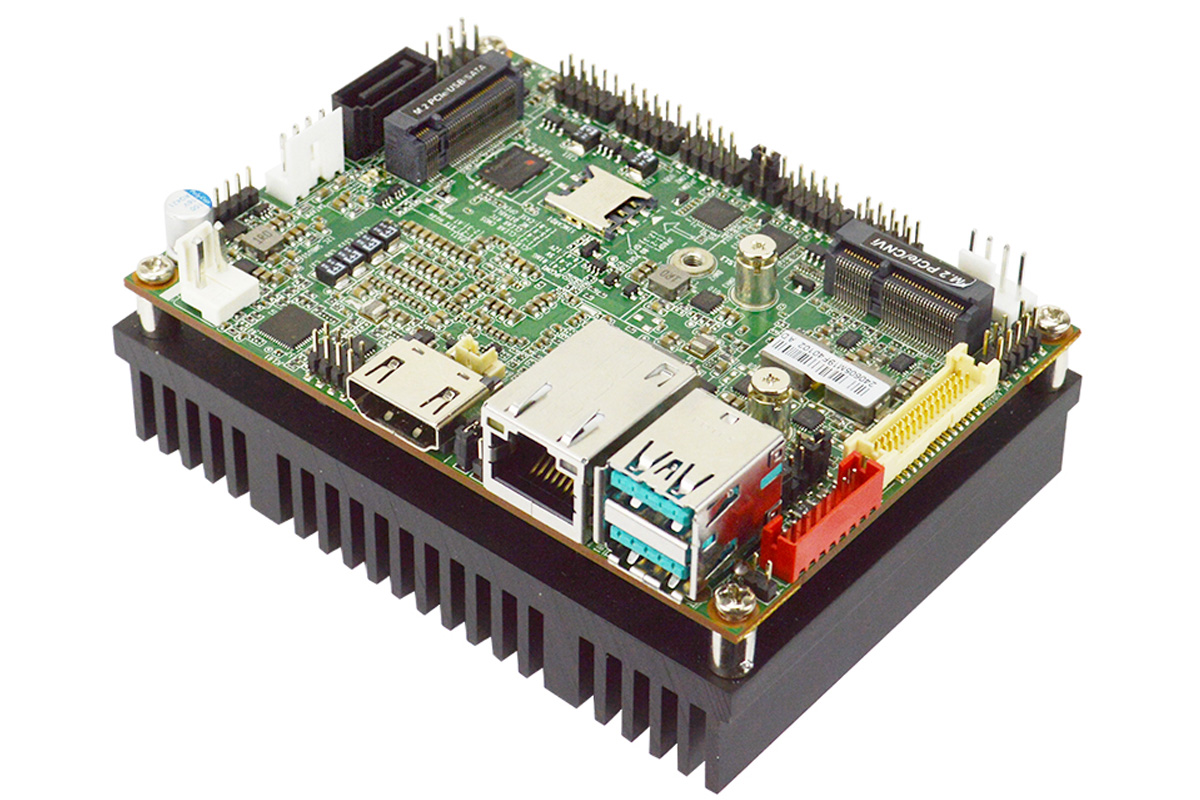
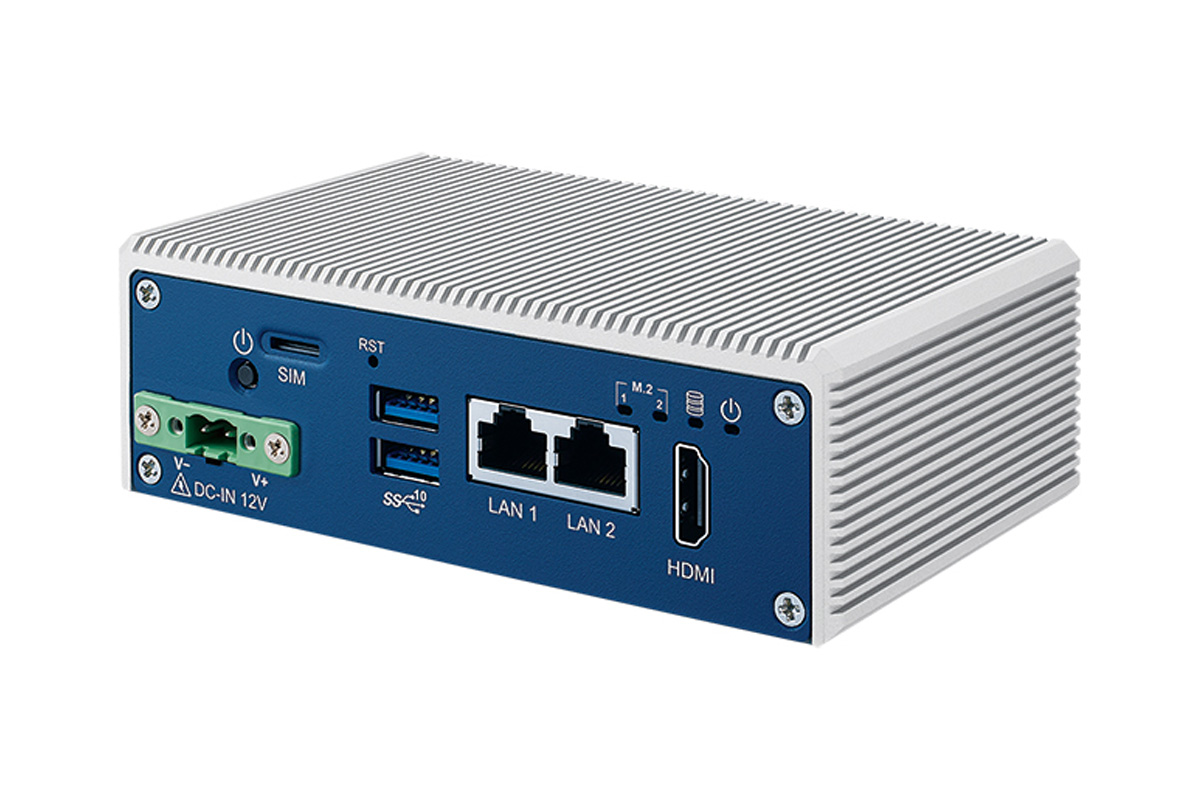
Geniatech DB3506 is a full-featured Rockchip RK3506 development board and 3.5-inch SBC designed for industrial control, human–machine interface (HMI) systems, IoT gateways, and other embedded applications. The board combines the tri-core Arm Cortex-A7 SoC with 256 MB to 1 GB LPDDR3 RAM and 256 MB or 512 MB NAND flash options, offers HDMI and RGB touchscreen display interfaces, dual Fast Ethernet, dual-band WiFi and Bluetooth 5.0, optional 4G LTE via a mini PCIe slot,  two USB 2.0 ports, and a range of headers for CAN bus, RS-232/RS-485, Audio, GPIOs, and more. Geniatech DB3506 specifications: SoC – Rockchip RK3506 CPU 3x Arm Cortex-A7 cores Arm Cortex-M0 real-time core GPU – 2D GPU only with hardware-accelerated 2D rendering No VPU, no NPU System Memory – 512MB LPDDR3 (option for 256MB or 1GB) Storage – 256MB NAND flash (option for 512MB) Video Output HDMI output 50-pin RGB display FPC interface up to 1280 × 1280 @ 60 […]

Linux 6.19 Release – Main changes, Arm, RISC-V, and MIPS architectures

Linux 6.19

Linus Torvalds has just released Linux 6.19 on the Linux Kernel Mailing List (LKML): No big surprises anywhere last week, so 6.19 is out as expected – just as the US prepares to come to a complete standstill later today watching the latest batch of televised commercials. The betting man would expect them all to be AI-generated, but maybe some enterprising company decides to buck the trend? Doubtful, but there’s always a slight chance. But for anybody outside the US, maybe taking the newest kernel out for a spin instead is an option? I have more than three dozen pull requests for when the merge window opens tomorrow – thank you to all the early maintainers. And as people have mostly figured out, I’m getting to the point where I’m being confused by large numbers (almost running out of fingers and toes again), so the next kernel is going to […]

Olimex HoT aims to be lightweight, easier-to-use alternative to Home Assistant

Olimex HoT

Olimex HoT (Home of Things) is a lightweight Smart Home solution designed to run on low-end hardware (128MB RAM, 128MB flash) and interface with nodes running ESPHome. It can serve as an easier-to-use alternative for people who don’t need all the bells and whistles provided by powerful home automation frameworks such as Home Assistant or OpenHAB. Home Assistant open-source home automation software is great, but it requires a system with at least 2GB of RAM, and 4GB of RAM is often recommended for most users. There’s also a steep learning curve. This is what Tsvetan Usunov, Olimex CEO, realized last year when he tried Home Assistant, and he decided to start working on a low-cost, easy-to-use solution for IoT and Smart Home applications. That’s why the Olimex HoT project was created. Tsvetan gave a talk about the project entitled “Designing EUR 20 Open Source Hardware running Free/Libre Open Source Software […]

Raspberry Pi 4 dual RAM variant introduced to mitigate RAM price increases and supply challenges

Raspberry Pi 4 Model B v1.5

Desperate times call for desperate measures. Raspberry Pi has decided to introduce a dual RAM variant of the Raspberry Pi 4 to allow DRAM supply chain flexibility along with manufacturing process improvement using intrusive reflow soldering. As you may remember, Raspberry Pi first increased the price of most Raspberry Pi 4/5 boards last December while launching the Raspberry Pi 5 1GB RAM to offer a $45 option. At the end of last month, we noted broad market price adjustments due to not only RAM prices, but also storage devices, SoCs, and other components. A few days ago, Raspberry Pi had to further increase the price of the Raspberry Pi 4/5 for the 2GB to 16GB RAM models as follows: 1GB – unchanged 2GB – +$10 4GB – +$15 8GB – +$30 16GB – +$60 It’s not out of the realm of possibility that we may end up in a situation where […]

Cubie A7S – A compact Allwinner A733 SBC with USB-C DisplayPort, GbE, WiFi 6, PCIe Gen3 FFC connector, GPIO headers

Radxa Cubie A7S

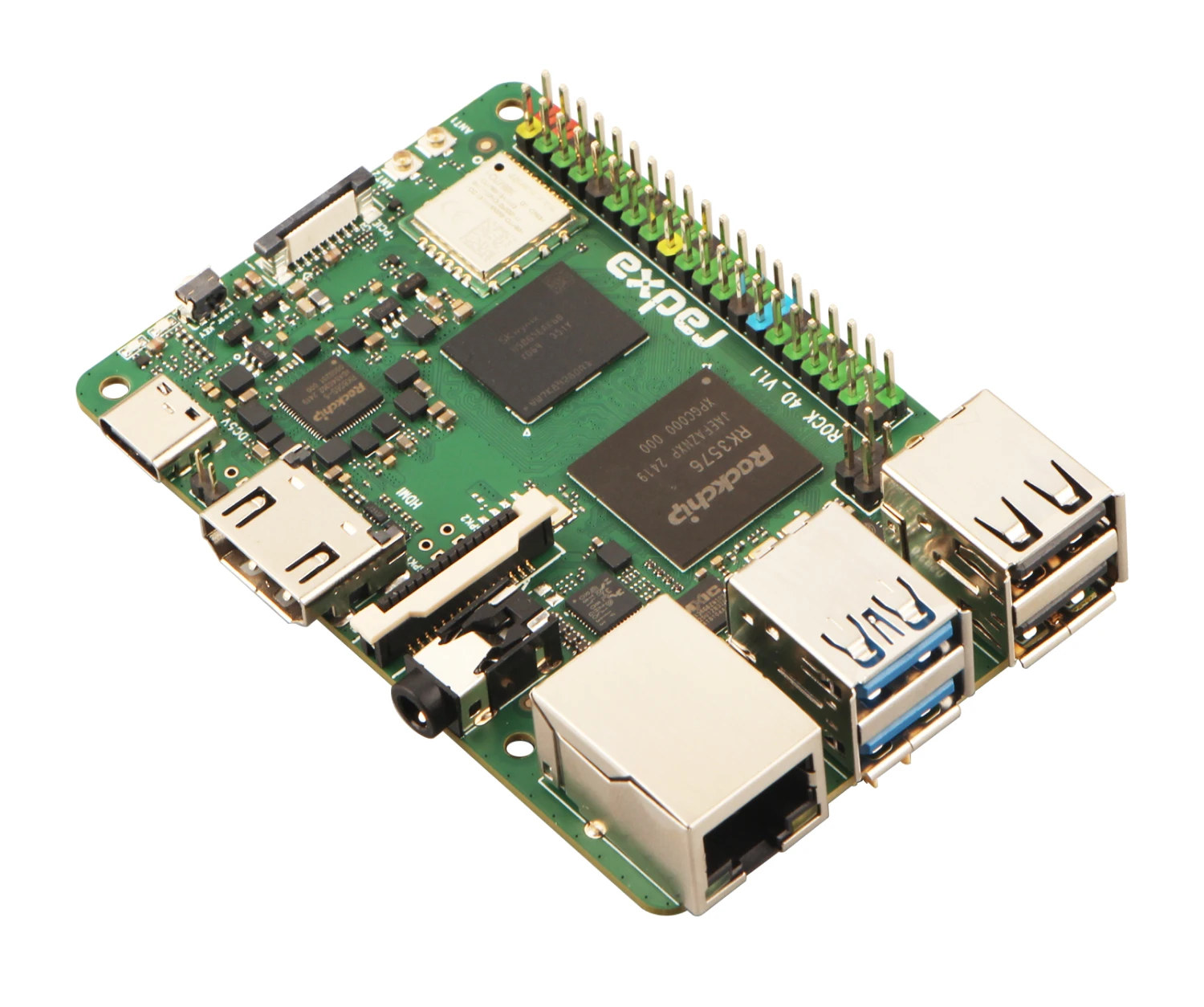
Radxa has launched its third Allwinner A733 octa-core Cortex-A76/A55 SBC with the compact Cubie A7S featuring up to 16GB LPDDR5 memory, up to 256GB eMMC flash and a microSD card slot for storage, a Gigabit Ethernet RJ45 port, and a WiFi 6 and Bluetooth 5.2 wireless module. Other features include two USB-C ports, including one supporting DisplayPort Alt mode for video output, a USB 2.0 Type-A port, a 16-pin PCIe Gen3 x1 FFC connector, 30-pin and 15-pin GPIO headers, and a 4-lane MIPI CSI camera connector. At 51 x 51 mm, it offers a middle ground between the credit card-sized Cubie A7A and the Pi Zero-sized Cubie A7Z. Cubie A7S specifications: SoC – Allwinner A733 CPU Dual-core Arm Cortex-A76 @ up to 2.00 GHz Hexa-core Arm Cortex-A55 @ up to 1.8 GHz Single-core RISC-V E902 real-time core @ up to 200 MHz GPU – Imagination Technologies BXM-4-64 MC1 GPU with […]

Qualcomm IPQ5424 embedded router board supports 22 Gbps tri-band Wi-Fi 7 and dual 10GbE networking

Qualcomm IPQ5424 router SBC

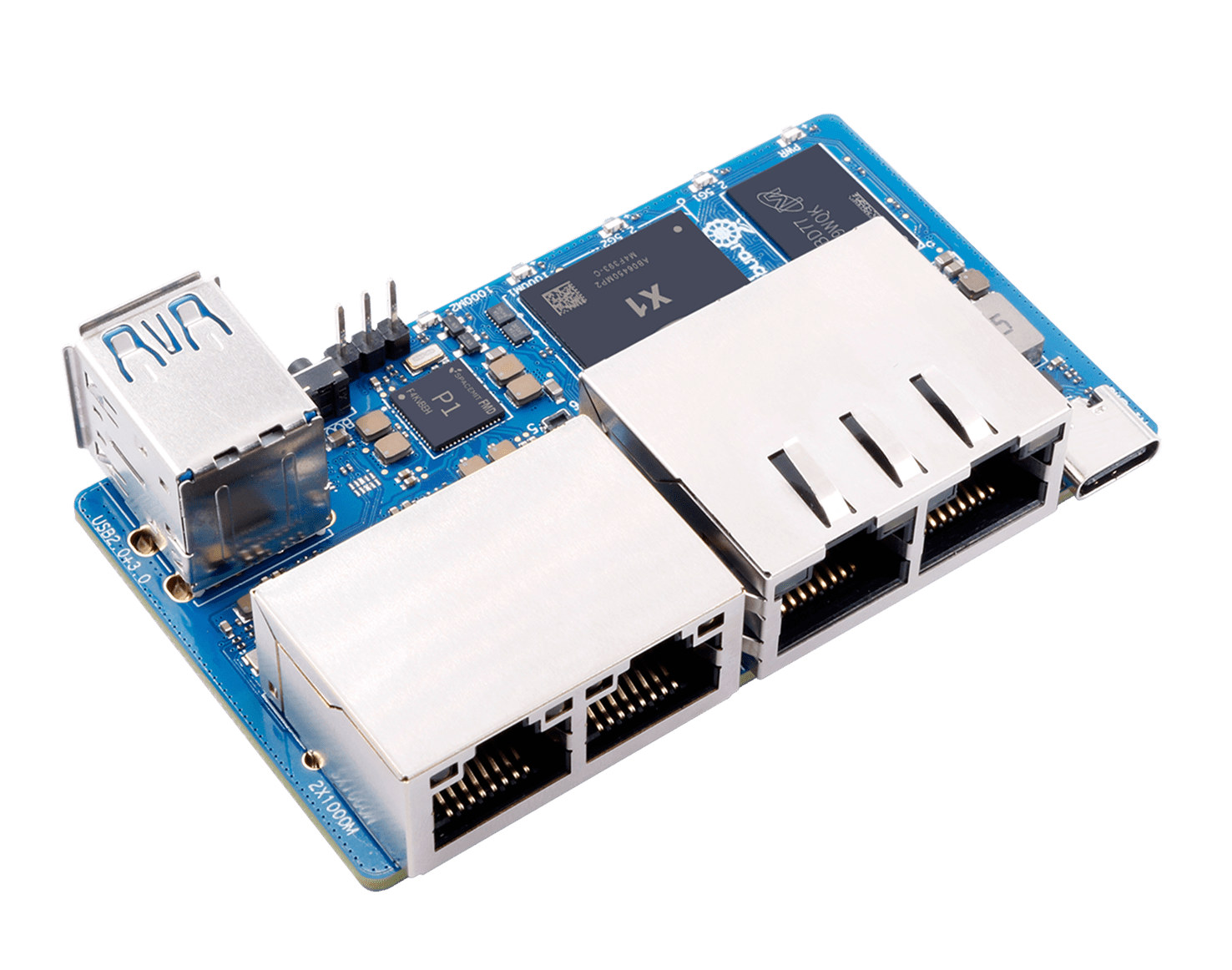
Wallys Communications’ DR5424 is a new embedded router board powered by a Qualcomm IPQ5424 quad-core Cortex-A55 SoC (aka Dragonwing NPro A7 Platform) and offering tri-band Wi-Fi 7 connectivity up to around 22 Gbps, along with two 10 GbE RJ45 ports and four 2.5GbE RJ45 ports for wired networking. Based on Qualcomm AP.MI01.2 reference design, the board also features 4GB or 8GB DDR4 memory, 256MB NAND flash, and 32MB NOR flash, as well as a USB 3.0 port, a USB 2.0 port, and JTAG and serial debug ports. Target applications include Wi-Fi 7 (802.11be) access points, Internet of Things (IoT) gateways, and HD streaming and gaming.   Qualcomm AP.MI01.2 specifications: SoC – Qualcomm IPQ5424 (Qualcomm Dragonwing NPro A7 Platform / NPA7) CPU – Quad-core Cortex-A55 “Marina” processor @ up to 1.5 GHz (Wallys) or 1.8 GHz (Qualcomm and Compex) Accelerator – Integrated accelerator designed for AI models specific to Wi-Fi and […]

Exit mobile version