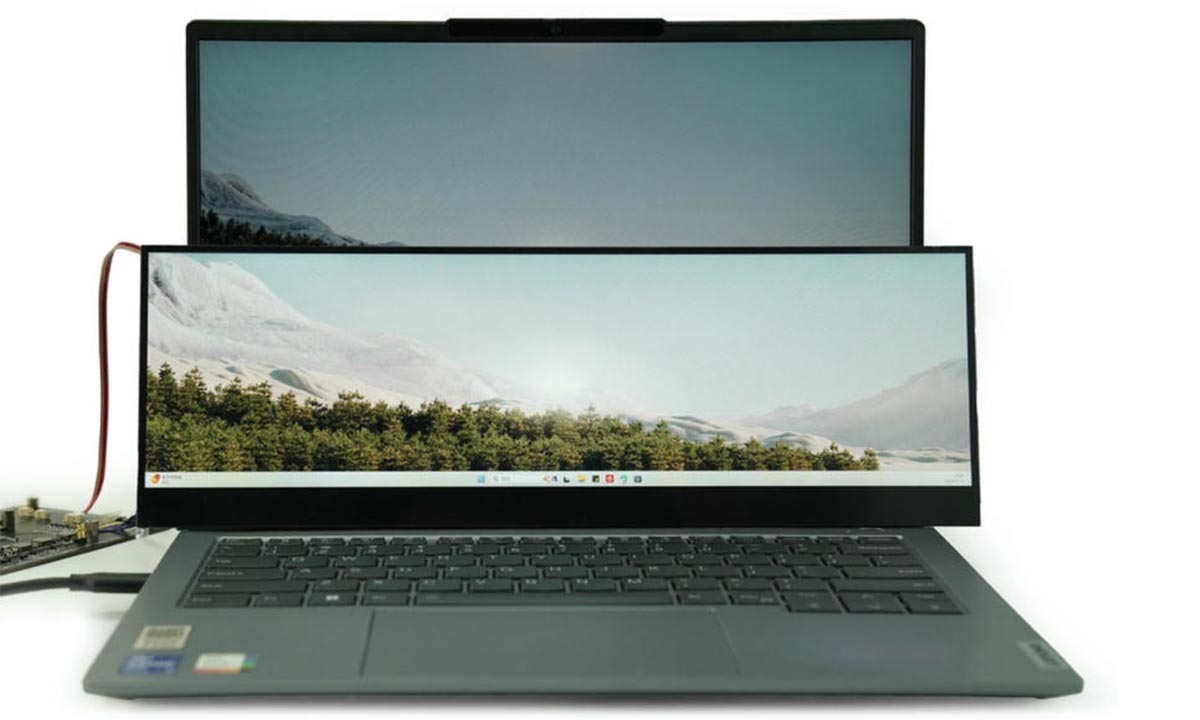
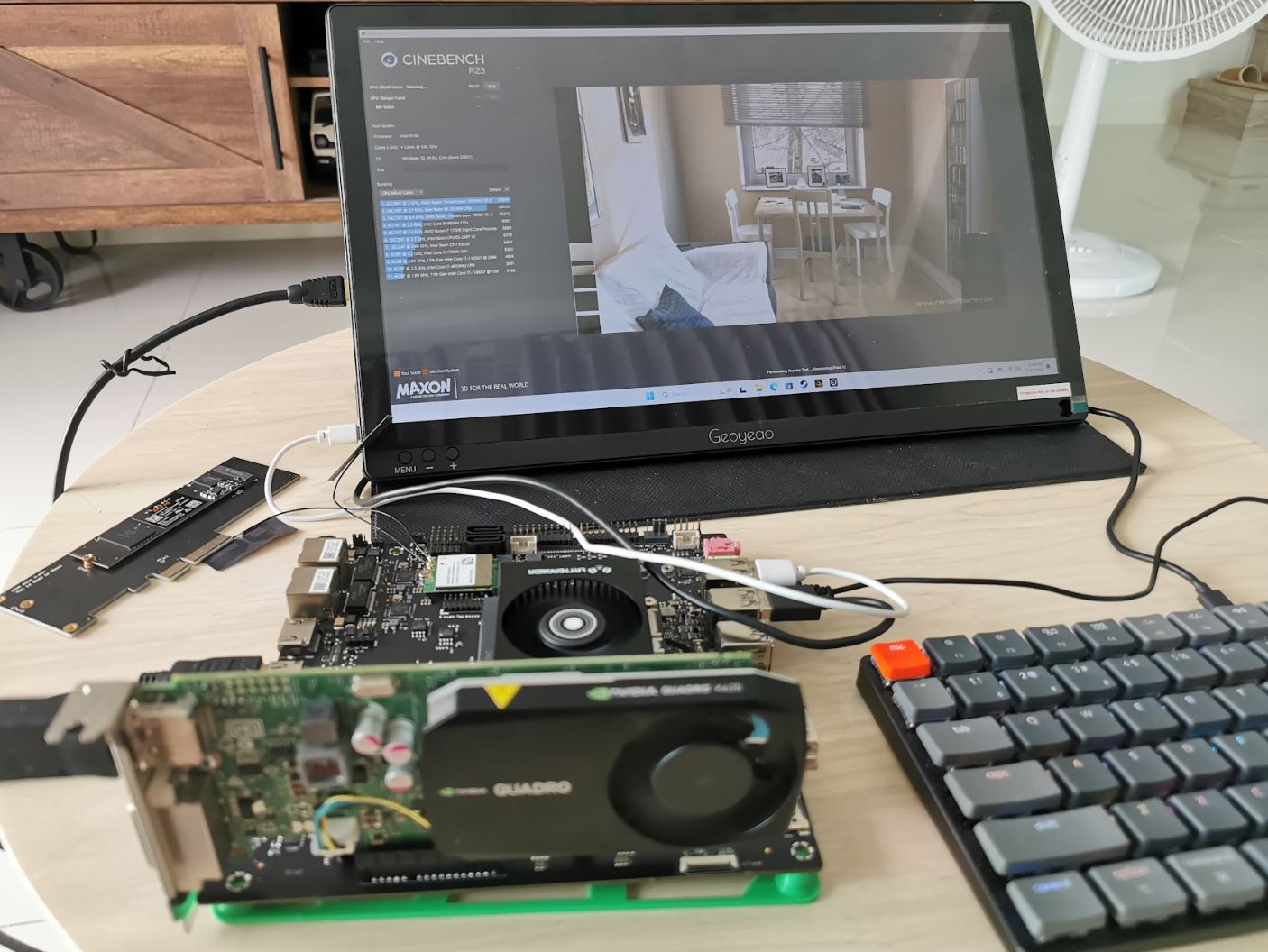
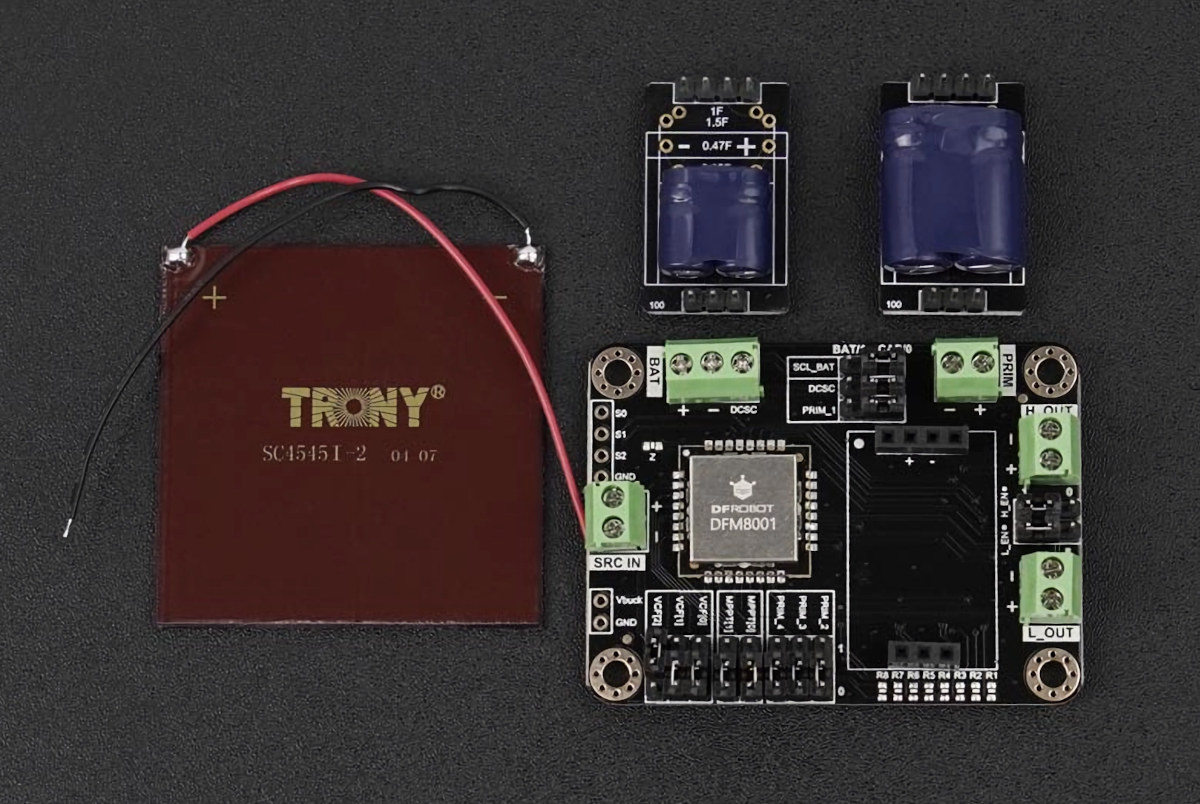
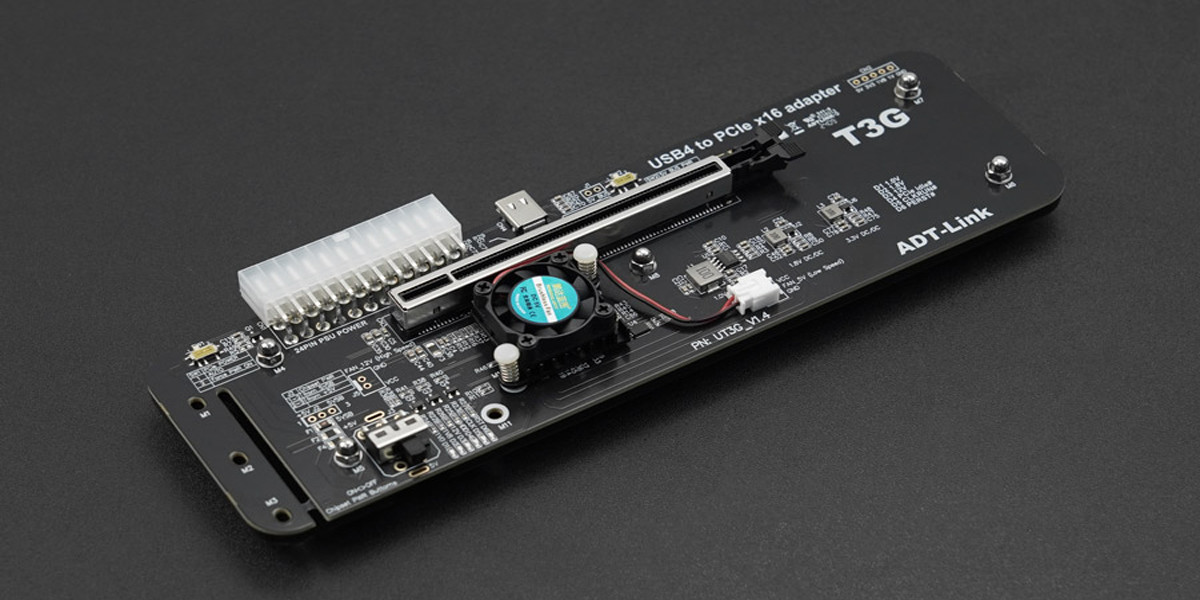
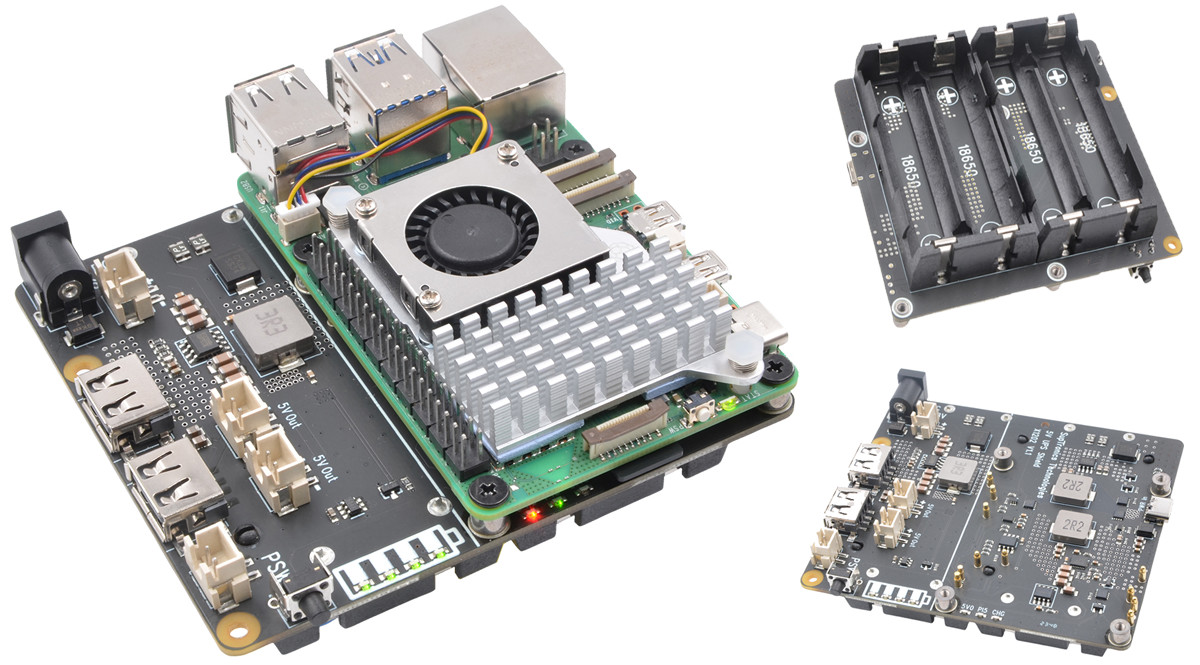
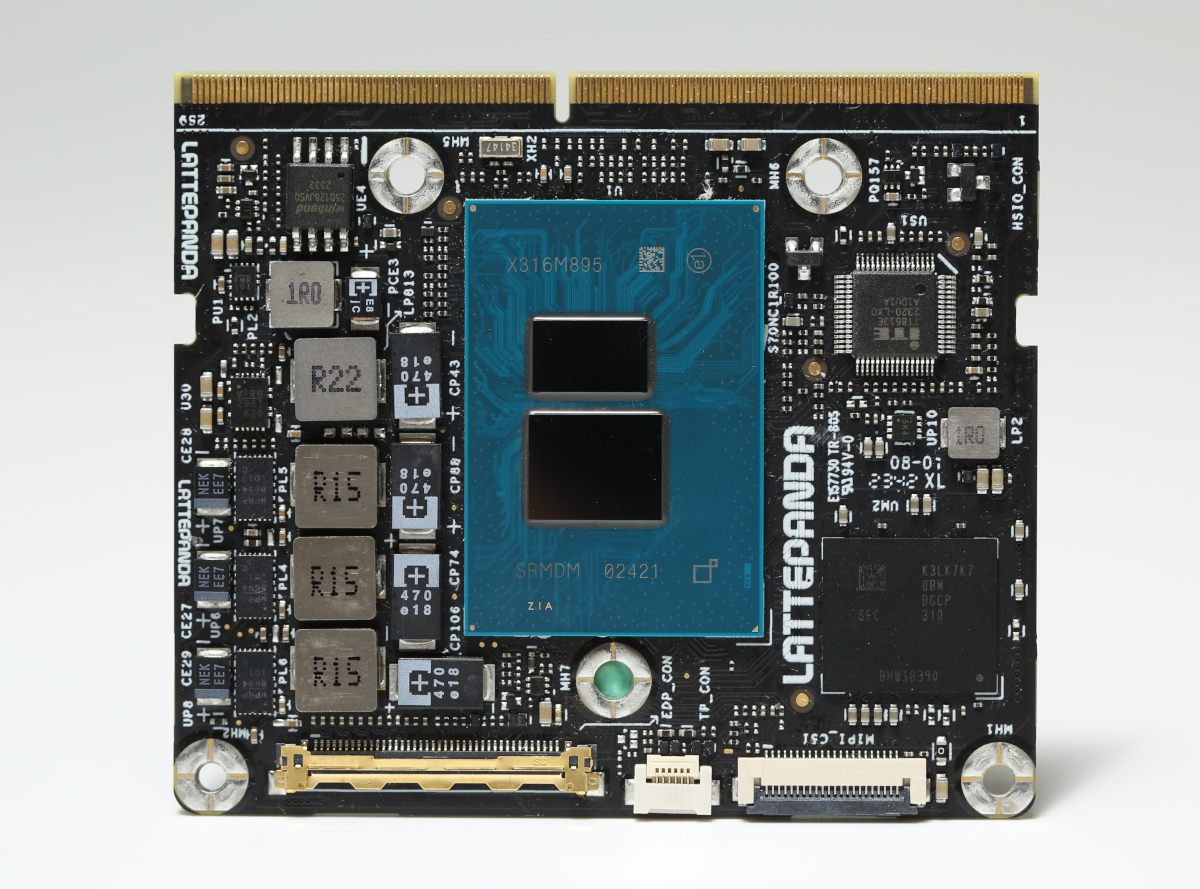
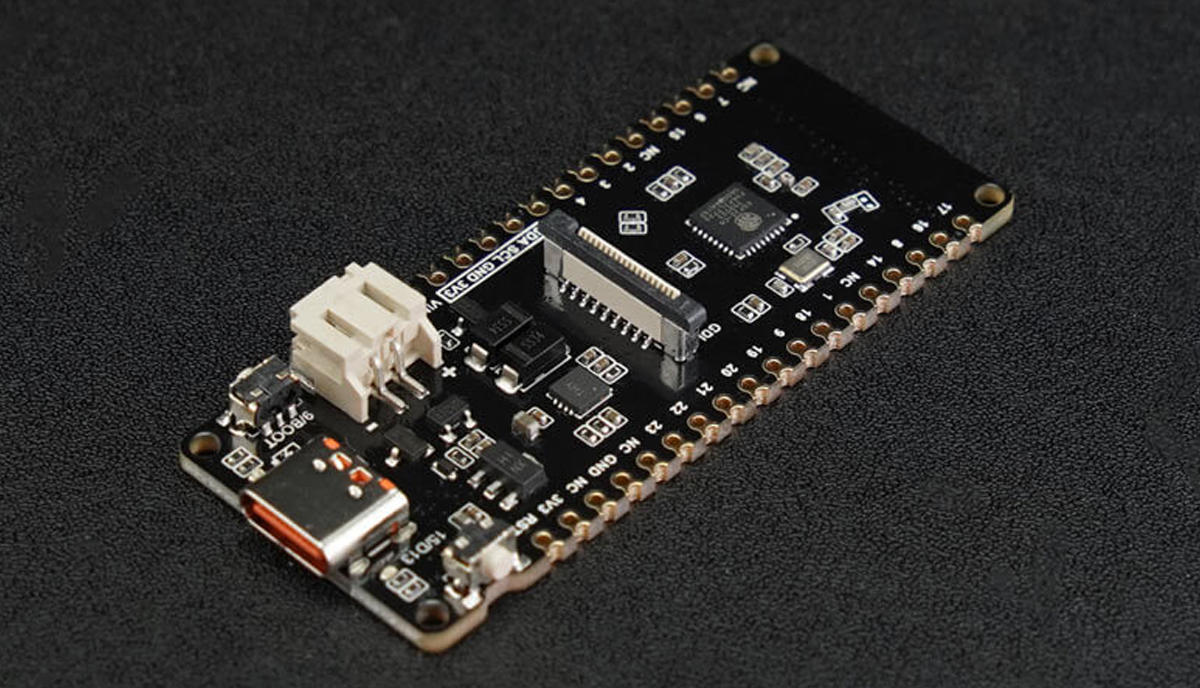
I’ve received a review sample of the LattePanda IOTA single-board computer (SBC) from DFRobot. It is a compact, palm-sized SBC powered by an Intel Processor N150 quad-core Twin Lake CPU, and featuring 8 GB of LPDDR5 RAM and 64 GB of onboard eMMC storage. It also integrates a Raspberry Pi RP2040 co-processor for handling I/O operations, providing greater flexibility for embedded and automation applications. LattePanda IOTA unboxing The parcel was shipped from China and arrived safely in a standard cardboard box. Inside were several smaller boxes containing the following components, with foam padding that was slightly loose but still provided adequate protection. All components arrived in good condition. I received a total of seven items from DFRobot, which are listed below. LattePanda IOTA (8GB RAM, 64GB eMMC flash) Smart UPS Expansion Board: A plug-and-play UPS module for the LattePanda IOTA that provides stable, continuous power with intelligent management and supports […]
HUSKYLENS 2 – A 6 TOPS LLM and AI vision camera with self-learning capabilities
DFRobot HUSKYLENS 2 is an LLM and AI vision camera powered by a Kendryte K230 dual-core RISC-V SoC with a 6 TOPS AI accelerator and designed to be easy-to-use for makers, educators, competition teams, and AI enthusiasts. It provides an upgrade to the HUSKYLENS AI camera introduced in 2019 with the Kendryte K210 SoC. It features 1GB of LPDDR4, an 8GB eMMC flash, a microSD card slot, a 2MP camera sensor, a 4-pin Gravity expansion connector, and a USB-C port for power and programming. The company says the HUSKYLEN 2 comes preloaded with over 20 AI models, including object tracking, hand recognition, and instance segmentation, but users can also train and deploy their own AI models using features like the self-learning classifier. HUSLYLENSE 2 specifications: SoC – Kendryte K230 CPU 64-bit RISC-V processor @ 1.6GHz with RVV 1.0 support 64-bit RISC-V processor @ 800MHz AI accelerator – Up to 6 […]
LattePanda IOTA SBC combines Intel N150 SoC with Raspberry Pi RP2040 for GPIO and power control
LattePanda IOTA is a new Intel Processor N150 SBC equipped with up to 16GB LPDDR5 and 128GB eMMC flash, as well as a Raspberry Pi RP2040 microcontroller for GPIO and power control It’s an update to the LattePanda V1 launched in 2015 with an Intel Atom x5-Z8300/Z8350 Cherry Trail SoC and an ATMega32U4 microcontroller. The new model is up to eight times faster, features up to four times the memory, twice the storage, Gigabit Ethernet, and more, but mostly keeps the same dimensions and layout for compatibility with most accessories. It also adds new features such as a 16-pin PCIe connector, ECC memory, Wake-on-LAN, and more… LattePanda IOTA specifications: SoC – Intel Processor N150 Quad-core “Twin Lake” processor @ up to 3.6 GHz (Turbo) with 6MB cache GPU – 24EU Intel UHD graphics @ 1000 MHz TDP: 6W to 15W (Configurable in BIOS/UEFI) Memory – 8GB or 16GB LPDDR5 4800MT/s […]
80 GHz mmWave liquid level detection sensor supports ModBus, offers 40m range
I’ve just come across a no-name non-contact, high-precision 80 GHz mmWave radar sensor for liquid level detection with a 40m range, ±5mm accuracy, and Modbus communication over UART. We had seen 24 GHz and 60 GHz mmWave sensors mostly for precise motion detection, but it’s the first time I’ve seen an 80 GHz mmWave sensor, or more exactly, 79 GHz. It operates on the same principle of Frequency Modulated Continuous Wave (FMCW) radar as most other mmWave sensors and connects to an Arduino or other board over UART. It targets applications such as smart water management, industrial process control, and environmental disaster prevention/monitoring. Specifications: MCU – GigaDevice GD32F405 Arm Cortex-M4F microcontroller @ 168 MHz with 192KB SRAM, 3MB flash, 1MB code-flash Transmit frequency – 77–81 GHz (79 GHz mid frequency), 4 GHz bandwidth Output power (EIRP) – 13 to 20dBm Beamwidth (-3dB) Horizontal ±25°, Vertical ±25° With external lens: Horizontal […]
DFRobot FireBeetle 2 ESP32-P4 is a compact board with MIPI DSI/DSI, microphone, WiFi 6, and GPIO headers
DFRobot FireBeetle 2 ESP32-P4 development board features an ESP32-C6 wireless module, two USB-C ports, GPIO headers, a microphone MIPI CSI and DSI connectors, and is offered with an optional carrier board enabling easy access to all I/Os as part of a development kit for the board. Like many other ESP32-P4 boards, such as the ALIENTEK DNESP32P4M, the Waveshare ESP32-P4-Module-DEV-KIT, or the ESP32-P4-Function-EV-Board, the DFRobot board uses an ESP32-C6 for Wi-Fi and Bluetooth connectivity. Other features include support for USB 2.0 OTG, a digital microphone header, microSD card slot, programmable buzzer, ADC/DAC, and an onboard CH343 USB-to-serial chip for programming via USB-C. It comes with expansion headers for easy access to I/Os from both the ESP32-P4 and C6, making it suitable for compact AIoT and lightweight machine learning applications. FireBeetle 2 ESP32-P4 dev board specifications: SoC – ESP32-P4NRW32 MCU Dual-core RISC-V microcontroller @ 360 MHz (down from 400 MHz?) with AI […]
Get your carrier board for the LattePanda Mu x86 Compute Module manufactured for free, win prizes (Sponsored)
DFRobot and NextPCB are currently running a PCB design contest offering free PCB manufacturing and prizes worth up to $800 to people designing and submitting a carrier board design for the LattePanda Mu x86 Compute Module. As a reminder, the LattePanda Mu Compute Module is an x86 system-on-module initially launched with the Intel Processor N100 Alder Lake-N CPU, and later offered with a more powerful Core i3-N305 octa-core processor. It comes with up to 16GB LPDDR5-4800, 64GB eMMC 5.1 flash, and exposes I/Os through a 260-pin SO-DIMM connector. Arnon reviewed the LattePanda Mu (N100) with Windows 11 and Ubuntu 24.04 using the two reference carrier boards from DFRobot. But now, the company wants to encourage the development of more carrier boards for the LattePanda Mu, hence the PCB design contest. So what can you win exactly? Winners selected by a panel of judges from DFRobot and NextPCB will be offered […]
DFRobot Edge101 ESP32 industrial IoT controller offers isolated RS485 and CAN Bus interfaces
DFRobot Edge101 is an industrial-grade IoT controller built around the ESP32 MCU, designed as a bridge between development boards and industrial IoT systems. Housed in a full metal enclosure, it comes with various protection features including surge, ESD, lightning, overvoltage, and reverse polarity protection, and supports continuous 24/7 operation in harsh environments. It integrates RS-485, CAN bus, Ethernet, Wi-Fi, Bluetooth, and RTC, and supports expansion via a PCIe slot for 4G LTE cellular communication, making it suitable for automation, environmental monitoring, and remote data acquisition in industrial or outdoor settings. The IoT controller also offers flexible mounting options such as DIN rail or ear mounting. DFRobot Edge101 specifications: Wireless MCU – Espressif Systems ESP32 CPU – Dual-core Tensilica LX6 microcontroller @ up to 240 MHz Memory – 520 KB SRAM, 16 KB RTC SRAM Wireless – WiFi 4 and Bluetooth 4.2 Storage – 4MB SPI NOR flash, MicroSD card slot Connectivity […]
UNIHIKER K10 low-cost TinyML education platform supports image detection and voice recognition
UNIHIKER K10 is a low-cost STEM education platform for TinyML applications that leverages the ESP32-S3 wireless microcontroller with vector extensions for workloads such as image detection or voice recognition. The UNIHIKER K10 also features a built-in 2.8-inch color display, a camera, a speaker, a 2-microphone array, a few sensors, a microSD card, and a BBC Micro:bit-like edge connector for power signals and GPIOs. It’s a cost-optimized version of its Linux-based big brother – the UNIHIKER M10 – first unveiled in 2022. Arnon also reviewed the UNIHIKER in 2023, showing how to configure it, use the SIoT platform with MQTT message, and program it with Jupyter Notebook, Python, or Visual Studio Code. Let’s have a closer look at the new ESP32-S3 variant. UNIHIKER K10 specifications: Core module – ESP32-S3-WROOM-1 MCU – ESP32-S3N16R8 dual-core Tensilica LX7 up to 240 MHz with 512KB SRAM, 8MB PSRAM, 16MB flash Wireless – WiFi 4 and […]