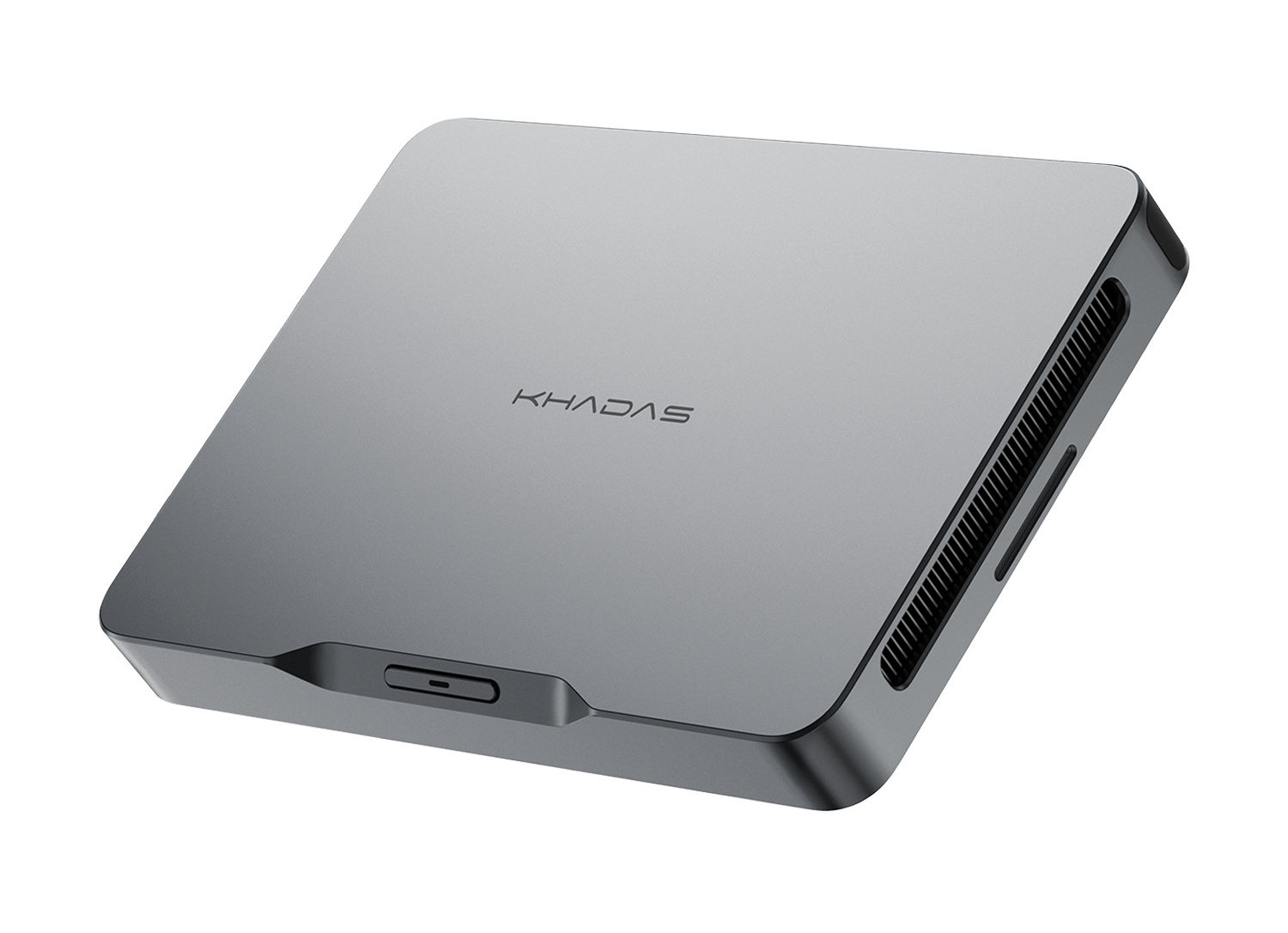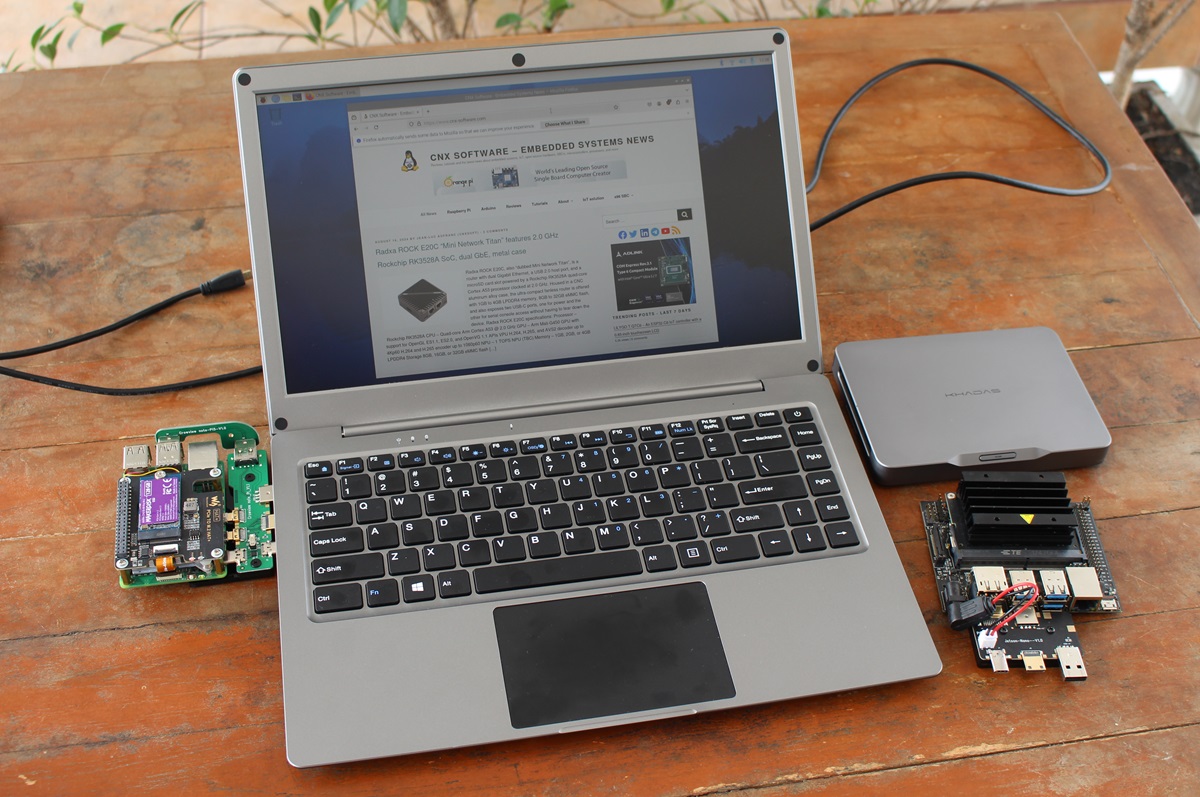

In this review, I’ll report my experience with the Khadas Mind xPlay display and keyboard using the Mind and Mind 2 mini PCs, as well as a CHUWI CoreBook Air Plus 16 laptop to test it as a standard external display. Using Mind xPlay with the Mind 2 mini PC I received the Mind xPlay with the Mind 2 Meteor Lake mini PC, and I already showed how to connect it and get started in the first part of the review. So I’ll continue the review with it initially. I used the EIZO monitor test website to evaluate the display panel itself. I went through all 13 tests, including dead pixel and gradients tests. The pattern above looks fine too, so I compare the Mind xPlay monitor to the 16-inch display of the ASUS Vivobook 16 to find differences. Both were set to maximum brightness. The xPlay delivers noticeably more […]
My experience upgrading the BIOS of a Windows 11 mini PC (with BitLocker) in 2026
I don’t always update the BIOS of my system, but when I do, I always make sure to waste several hours doing so. Last time I did that was in 2020, but this happened again when I updated the BIOS for the Khadas Mind 2 to test it with the Mind xPlay display and Mind Graphics 2 dock. Khadas provides the BIOS with instructions to update the Mind 2 mini PC, and it’s supposed to take five minutes, but I ended up wasting two about hours… The first step is to download and extract a zip file (mind-2-bios-v1.07-260122.zip), then start the Flash_BIOS upgrade program, and finally wait for the upgrade to complete. That part went great. No problem, but when the system rebooted, I was greeted by a BitLocker window asking me to enter a recovery key to carry on with the boot process. There’s no way to avoid this, […]
Khadas Mind Graphics 2 and Mind xPlay display + keyboard review – Part 1: Unboxing, teardown, and first try
Khadas has sent us the Mind Graphics 2 dock, Mind xPlay portable display and keyboard, as well as the Mind 2 mini PC for review. In the first part of the review, I’ll start by listing specifications, an unboxing of all three packages, a teardown of the graphics dock, and a first try of the xPlay and Mind Graphics 2 with the mini PC. While the Mind 2 will be used for testing, I won’t go into details here since it’s quite similar to the Mind 2 AI Maker Kit we reviewed last year. Instead, in the next parts, I’ll do a review of the xPlay with it, the first-generation Mind, and maybe another platform with USB-C video output. I’ll follow that by detailed testing of the Khadas Mind 2, including graphics and AI performance with the built-in NVIDIA GeForce RTX 5060 Ti 16GB card, and check all its features. […]
Linux 7.0 Release – Main changes, Arm, RISC-V, and MIPS architectures
Linus Torvalds has just released Linux 7.0 on LKML: The last week of the release continued the same “lots of small fixes” trend, but it all really does seem pretty benign, so I’ve tagged the final 7.0 and pushed it out. I suspect it’s a lot of AI tool use that will keep finding corner cases for us for a while, so this may be the “new normal” at least for a while. Only time will tell. Anyway, this last week was a little bit of everything: networking (core and drivers), arch fixes, tooling and selftests, and various random fixes all over the place. Let’s keep testing, and obviously tomorrow the merge window for 7.1 opens. I already have four dozen pull requests pending – thank you to all the early people. Linus This follows the Linux 6.19 release about two months ago, which brought us PCIe link encryption and […]
Khadas Mind 2 AI Maker Kit Review – Part 3: Ubuntu 24.10 and the importance of power limits
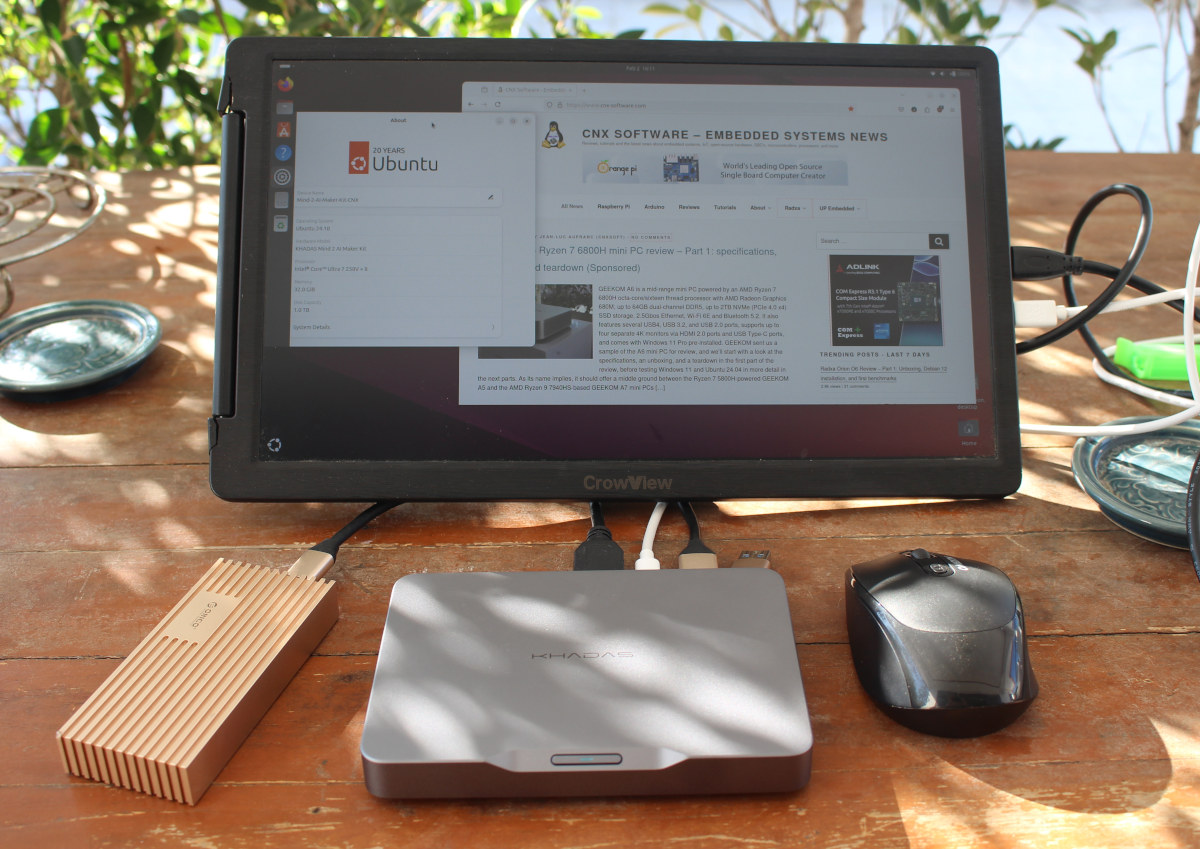
I’ve already reviewed the Khadas Mind 2 AI Maker Kit with Windows 11 Home, and today, I’ll report my experience with Linux on the Intel Core Ultra 7 258V mini PC using Ubuntu 24.10 operating system. I would usually review systems with Ubuntu 24.04 LTS OS, but considering the Intel Core Ultra 7 258V SoC is so new, I installed Ubuntu 24.10 when I tested whether disabling VT-d (IOMMU) would improve Intel Arc GPU performance (it does to some extent), and it turns out it was a good decision because Ubuntu 24.04 requires lots of fixes and workarounds to work the Khadas Mind 2 AI Maker Kit, at least until Ubuntu 24.04.2 is released later this month with a more recent kernel. Khadas Mind 2 AI Maker Kit – Ubuntu 24.10 system information My Ubuntu 24.10 installed has both Linux 6.11 (default) and Linux 6.13 kernels, but I did most […]
Disabling VT-d improves Intel Arc GPU Linux performance on Meteor Lake and newer SoCs
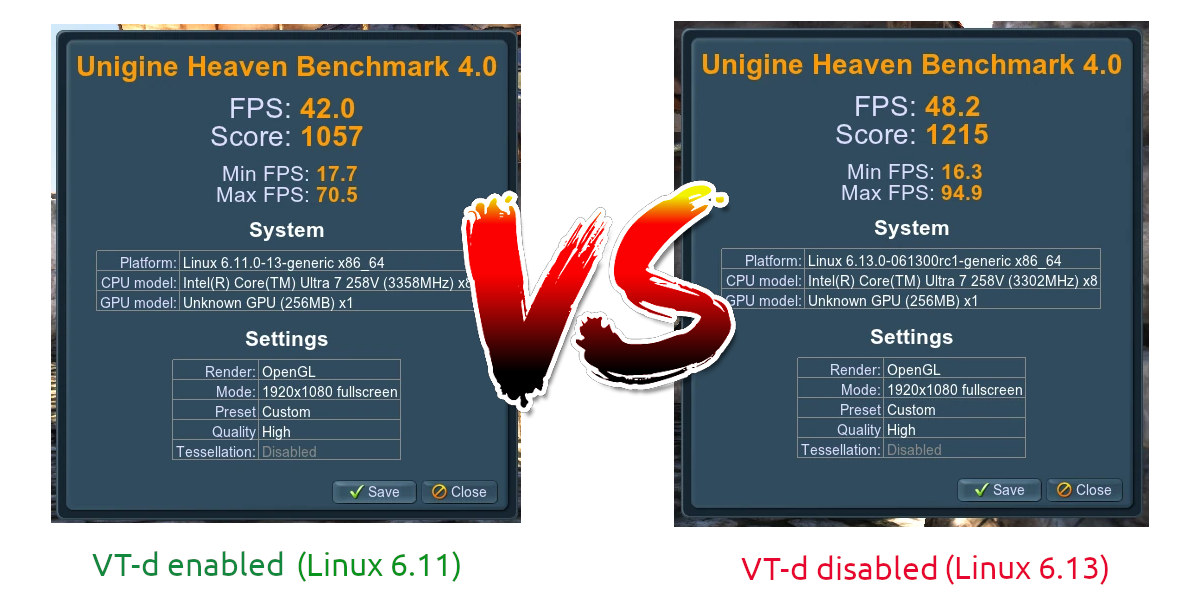
In this post, I’ll check whether disabling VT-d virtualization support may improve the performance of the Intel Arc GPU in recent Meteor Lake or Lunar Lake SoC using a Khadas Mind Maker Kit with an Intel Core Ultra 7 258V CPU with Intel Arc 140V graphics running Ubuntu 24.10. A few days ago, I read a post on Phoronix about Intel publishing tips to improve the performance of Intel GPUs in Linux: Keep the system updated with the latest kernel and Mesa versions. Ensure SoC firmware is up-to-date. These firmware updates currently require installing the Windows graphics driver; firmware updates via fwupd are in progress. Use Wayland where possible, as it supports additional modifiers for better performance. For MTL (Meteor Lake) and newer integrated GPUs, disable VT-d if virtualization is not needed. For discrete GPUs: Enable ReBAR_ Enable ASPM_ I was especially curious about the line about disabling VT-d virtualization […]
Khadas Mind Maker Kit review – Part 2: Windows 11 Home on an Intel Core Ultra 7 258V AI mini PC
I’ve already gone through the specifications and an unboxing of the “Khadas Mind 2 AI Maker Kit” powered by an Intel Core Ultra 7 258V “Lunar Lake” processor delivering up to 115 TOPS of AI performance and equipped with 32GB LPDDR5X RAM and a 1TB M.2 NVMe SSD in the first part of the review. I’ve now spent time with the mini PC/developer kit which is now simply called “Khadas Mind Maker Kit”, and I will report my experience with the Windows 11 Home 24H2 operating system in the second part of the review testing features, running benchmarks including an AI benchmark, evaluating networking and storage performance, testing the thermal design while under stress, and taking measurements for fan noise and power consumption. It looks like some AI features may finally be usable on Windows, but I’ll test that in a separate post since everything is new and Microsoft Copilot+, […]
Khadas Mind 2 AI Maker Kit – An Intel Core Ultra 7 258V “Lunar Lake” mini PC for developers
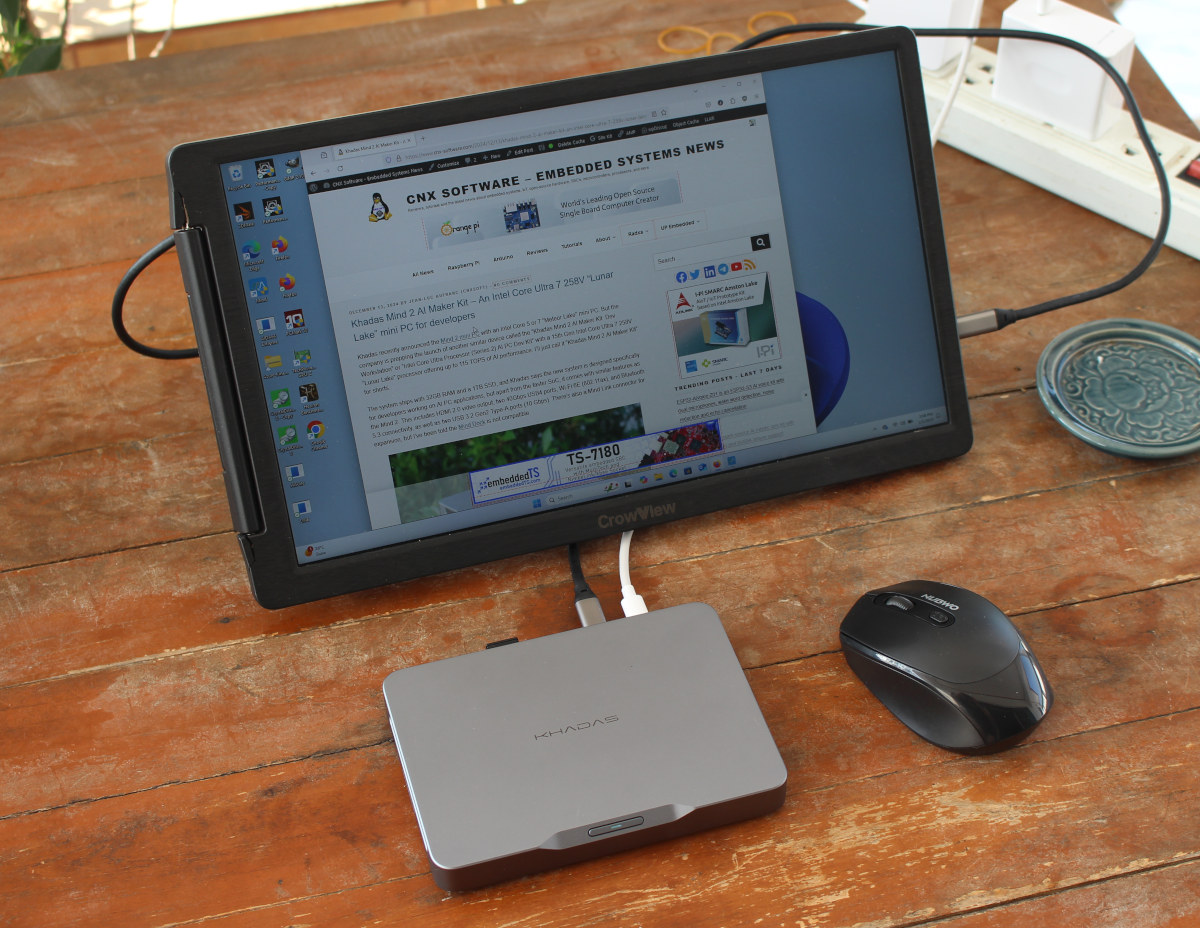
Khadas recently announced the Mind 2 mini PC with an Intel Core 5 or 7 “Meteor Lake” mini PC. But the company is prepping the launch of another similar device called the “Khadas Mind 2 AI Maker Kit Dev Workstation” or “Intel Core Ultra Processor (Series 2) AI PC Dev Kit” with a 15th Gen Intel Core Ultra 7 258V “Lunar Lake” processor offering up to 115 TOPS of AI performance. I’ll just call it “Khadas Mind 2 AI Maker Kit” for shorts. The system ships with 32GB RAM and a 1TB SSD, and Khadas says the new system is designed specifically for developers working on AI PC applications, but apart from the faster SoC, it comes with similar features as the Mind 2. This includes HDMI 2.0 video output, two 40Gbps USB4 ports, Wi-Fi 6E (802.11ax), and Bluetooth 5.3 connectivity, as well as two USB 3.2 Gen2 Type-A ports […]