
Using an overpowered vape as a secondary display

Aspire Vipo Vape secondary display DOOM

Last week, we noted that it was possible to run a web server on a disposable vape through its USB-C port, and now I’ve been shown DOOM on an even more overpowered vape acting as a secondary display, which is a bit larger in size than the WeAct Display FS 0.96-inch USB display we just covered. Perhaps I should add a ‘vaporware’ category on CNX Software… The new hack was done by Aaron Christophel (ACT1441) using an Aspire PIXO Vape with a Cortex-M4F MCU, a small color LCD, a USB-C port, Bluetooth LE connectivity, and a battery. Aspire PIXO vape hardware specifications: MCU – Puxa PY32F403XC Arm Cortex-M4F microcontroller @ 144 MHz with 64KB RAM, 256KB Flash Storage – External 16MB SPI Flash Display – 323 x 173 LCD Wireless – WS8000 BLE chip USB – 1x USB Type-C port Misc Heating Coil Vape microphone (designed to detect airflow from […]

Converting a disposable vape into a web server

Disposable vape web server

People have been recycling batteries in disposable vapes for a while, but BogdanTheGeek has gone a lot of further, converting a specific model of disposable vape into a web server. How is that possible? Vapes have apparently become a bit more sophisticated in recent times, and some integrate an Arm Cortex microcontroller with a USB-C port that can be used to bring a network interface and run a web server. The specific disposable vape (exact model not provided, but Grok thinks it may be from Bang King. Update: Wrong!) used by BogdanTheGeek features one of the ultra-cheap Puya PY32 microcontrollers, namely a 24 MHz PY32F002B Cortex-M0+ MCU with 3 kB SRAM and 24 kB flash. The web server hack here involves using the SLIP (Serial Line Internet Protocol) through a /dev/tty device to bring up a network interface, along with uIP lightweight TCP/IP stack. The first implementation was really slow […]

Citronics built a router based on the Fairphone 2 mainboard
Destore Citronics Fairphone 2 industrial gateway

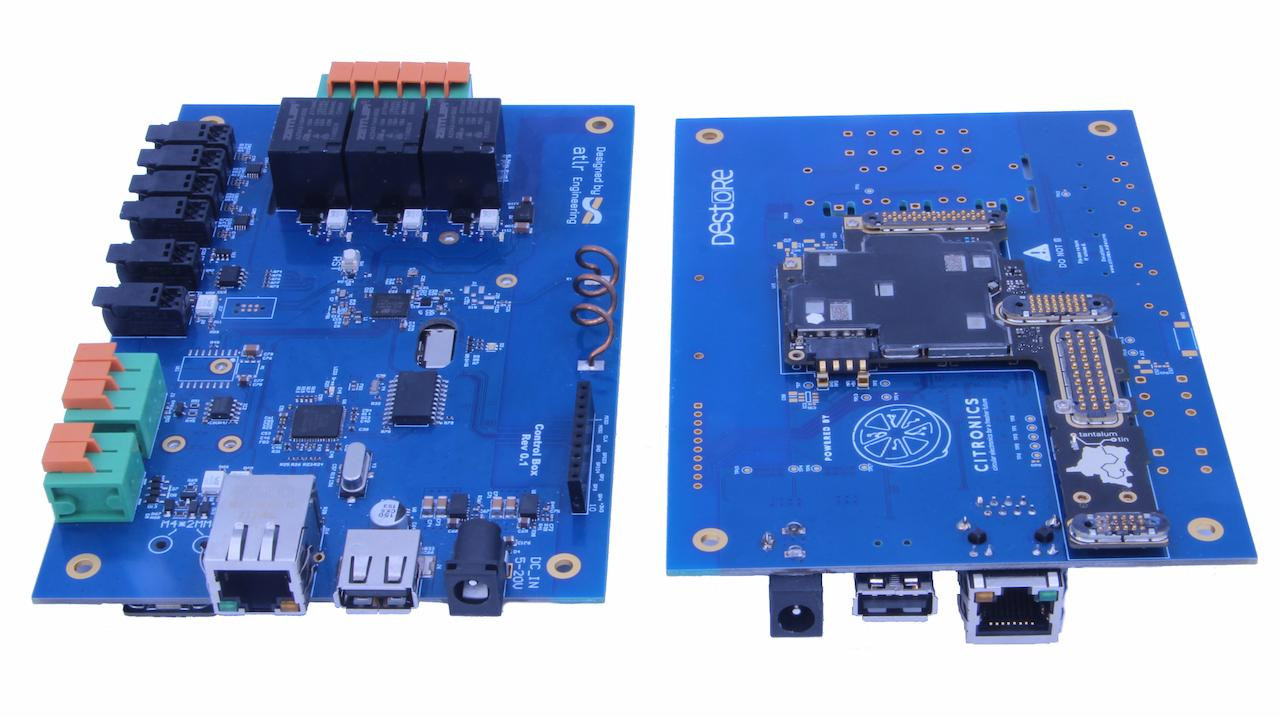
Belgium-company Citronics has designed a router based on the mainboard of the Fairphone 2 smartphone, connecting the Qualcomm Snapdragon 801 “system-on-module” to a carrier board with Ethernet, USB ports, and other connectors, while leveraging 4G LTE, WiFi, and Bluetooth connectivity from the phone’s core board. Citronics calls this type of hardware “Circular Microcomputers,” which refers to small computers focusing on sustainability and circular economy principles using parts from discarded devices like old smartphones. There’s actually more than one router, as Citronics designed its own development kit, and also partnered with other companies to design custom gateways based on the Fairphone 2 mainboard. Let’s have a look at the devkit first. Citronics devkit: Fairphone 2 mainboard SoC – Qualcomm Snapdragon 801 (MSM8974AB) quad core Krait 400 processor @ up to 2.26 GHz with Adreno 330 GPU System Memory – 2 GB LPDDR3 Storage – 32GB eMMC flash Connectivity – 2G/3G/4G LTE, […]

Intel floats Modular PC design proposal for repairable laptops and mini PCs

Intel modular PC design

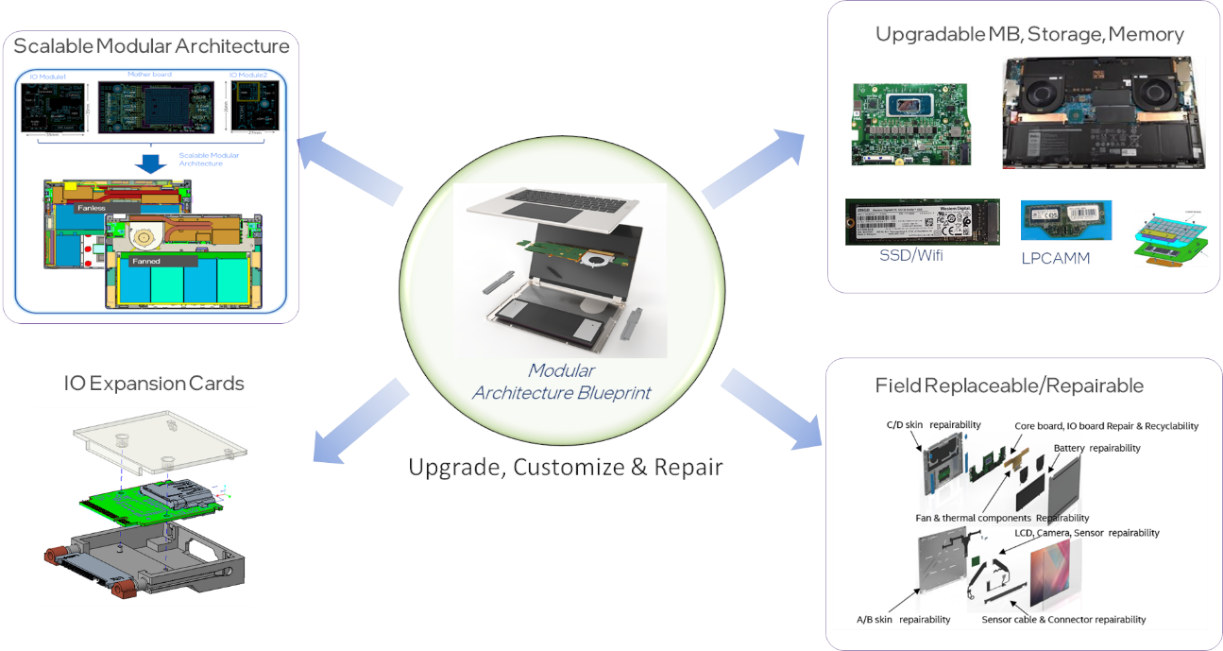
Intel has published an article proposing a modular PC design that would improve the repairability/right-to-repair of laptops and mini PCs and reduce e-waste through the replacement of motherboard, display, and M.2 or FPC add-on modules for the user-facing ports. Making repairable, modular electronic devices is not a new idea, and the Framework laptops are probably the best-known option now, but they do come at a premium. But most projects are limited success, for instance, Project Ara modular smartphone from Google eventually died off. We’ve also covered modular or open-source hardware solutions from smaller companies over the years such as Firefly Station P3D modular Arm mini PC with swappable cards, or Olimex Teres-I DIY and open-source hardware laptop. It’s good news that a large company like Intel is taking the repairable, modular PC topic seriously, but as we’ll see below it’s currently a high-level proposal with few technical details. Most laptops […]

Recyclable PCB created by the University of Washington is made from Vitrimers

Vitrimer Based Recyclable PCB

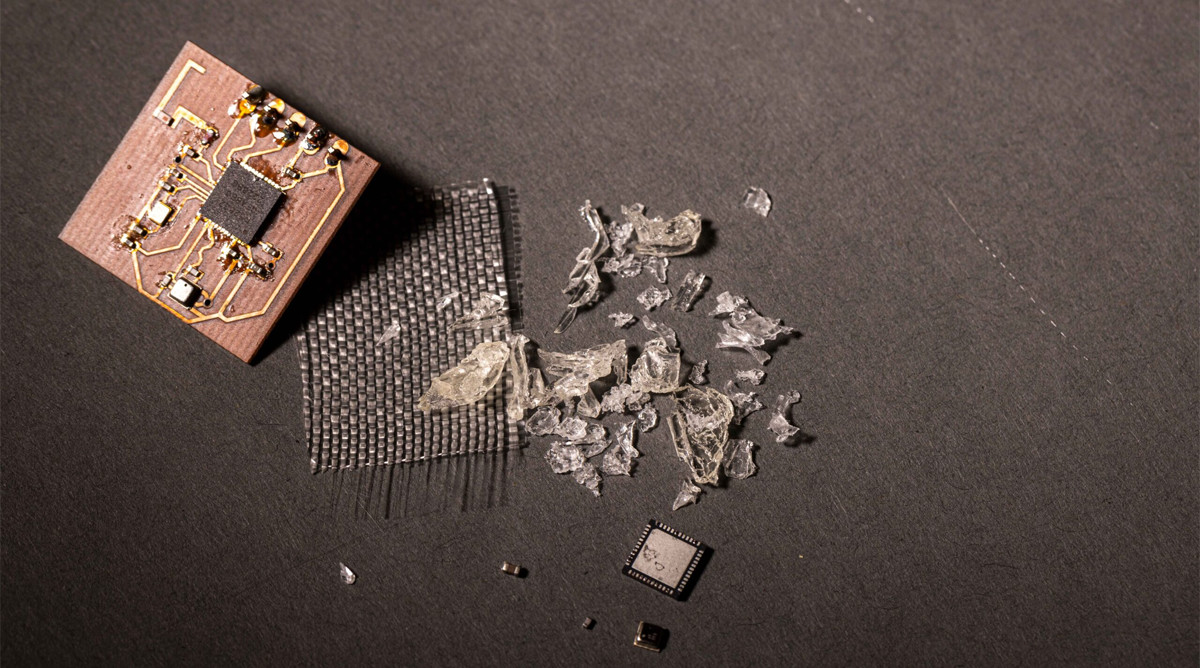
Ludwik Leibler a Polish-born French physicist and his team from the Laboratoire Matière Molle et Chimie at ESPCI ParisTech created a new class of plastics known as “vitrimers” and material researchers at the University of Washington (UW) have leveraged the new plastics to develop a recyclable PCB (printed circuit board) known as “Vitrimers PCB” (vPCB) that can be recycled many times over. The team tested their vPCB for strength and electrical properties and found that they are very similar to standard FR-4 PCB material. This means Vitrimers PCBs could offer a solution to reduce landfill waste and make it easier to recycle leftover copper, maximizing resource recovery. Key Features of Vitrimers-based Recyclable PCBs: Base material – Employs vitrimer epoxy, a type of polymer that can be repeatedly cured and uncured without damage. Environmentally sustainable – Designed to reduce e-waste and offer a more circular lifecycle for electronics. Performance – Electrical […]

Add WiFi connectivity to older USB printers with Orange Pi 3G-IoT-A and UoWPrint print server

Orange Pi 3G-IoT-A printer server

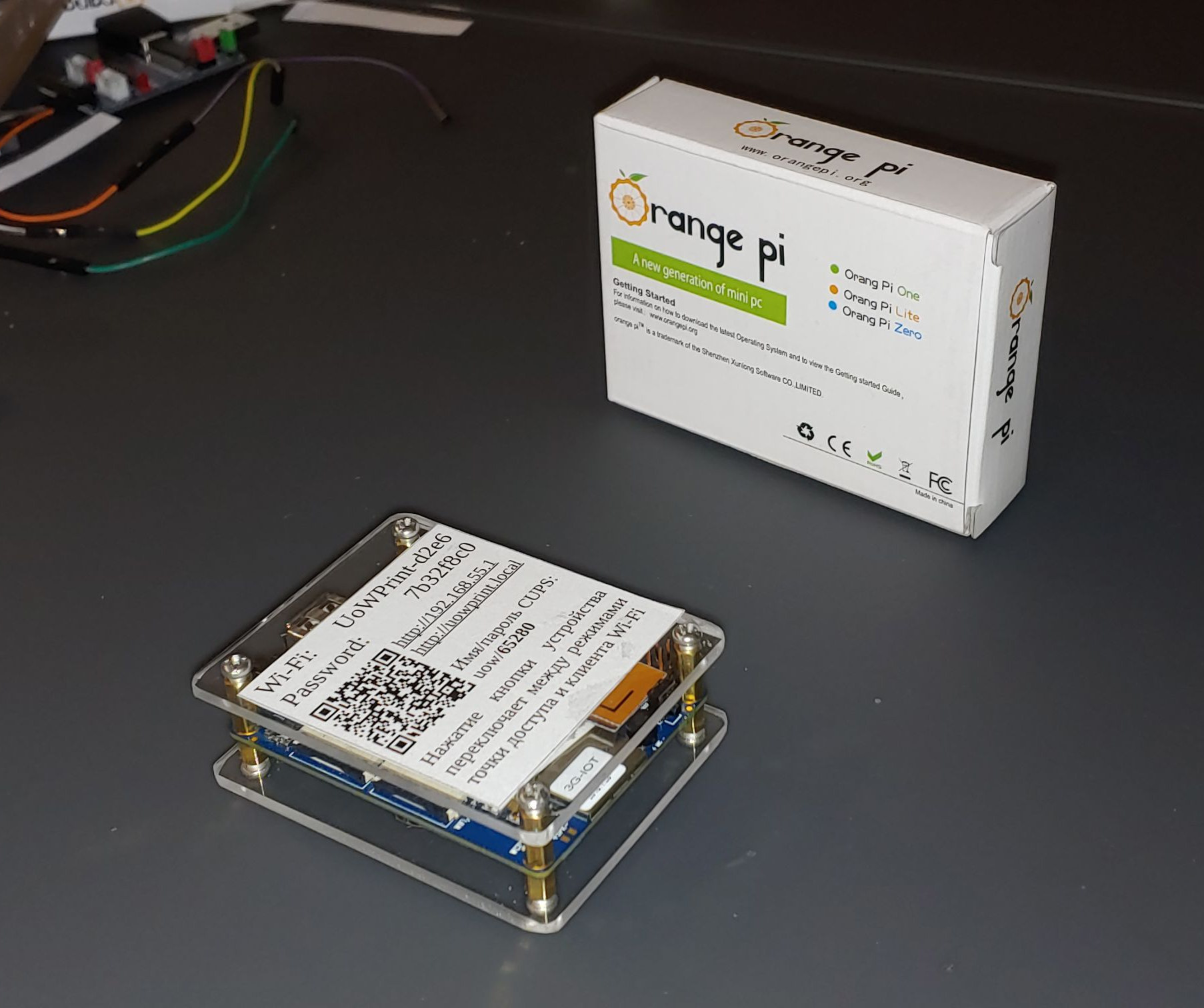
I previously used an inexpensive CHIP board as a Linux printer and scanner server for the Canon MP250 USB multi-function printer. It took a while to make it work with a long list of instructions and even then the scanner function was not working very reliably. ValdikSS’s UoWPrint driverless printing and scanning server aims to simplify the process for older USB printers and also supports AirPrint and Mopria standards over WiFi. The older Orange Pi 3G-IoT-A board was the hardware of choice for this project due to its ultra-low price. The resulting product enables users to convert their old USB printer (or MFP) into a WiFi printer/MFP and print and scan without drivers from Windows, macOS, and Linux, as well as mobile operating systems such as iOS/Android. ValdikSS told CNX Software he spent a considerable amount of time backporting patches required to run modern Debian 12 to the kernel 3.2.67 […]

Inkplate 4 TEMPERA ePaper display supports ESPHome, Arduino, and MicroPython (Crowdfunding)

Inkplate 4 TEMPERA

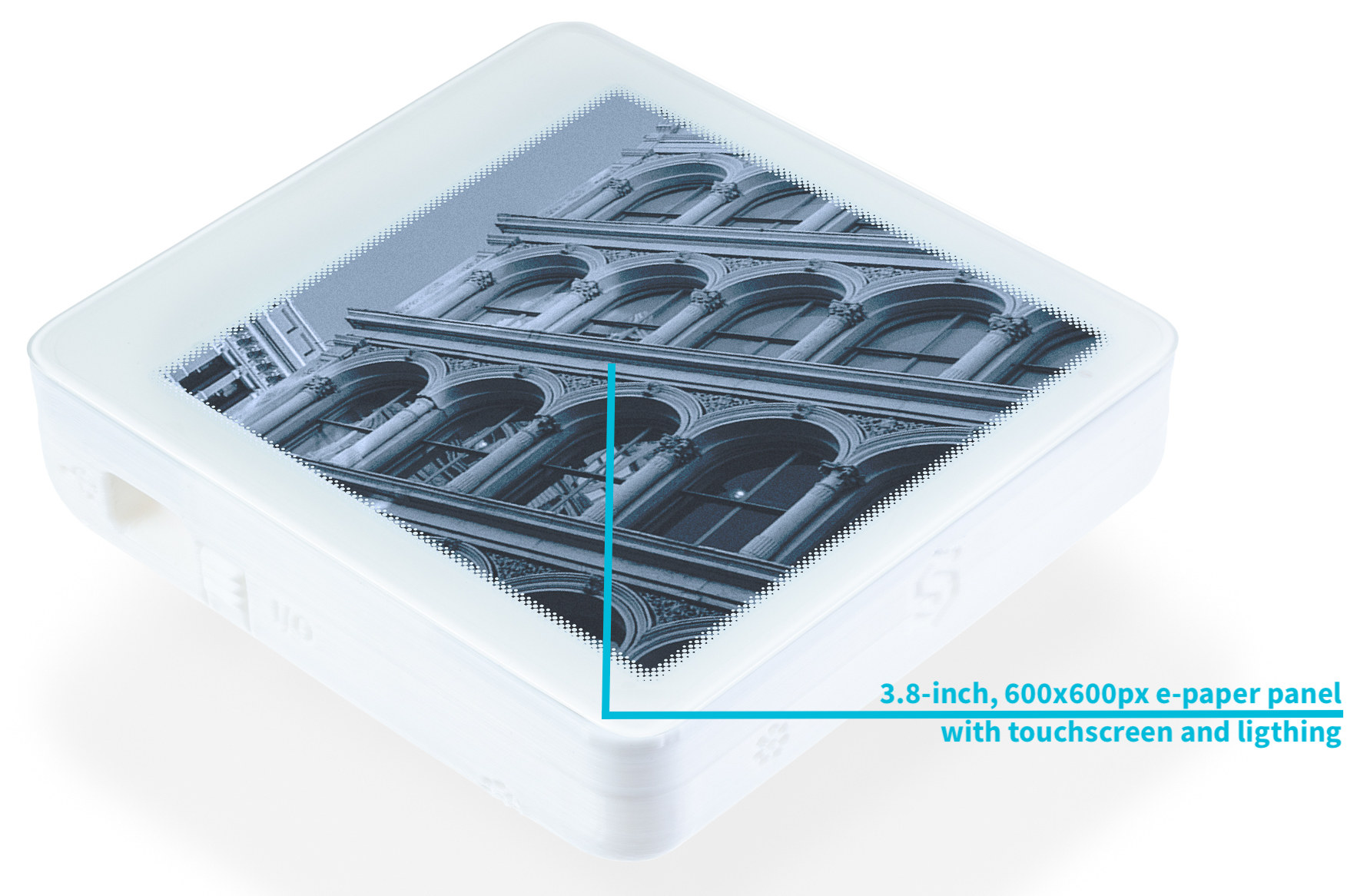
Years after years, Soldered Electronics keeps on churning out new ESP32-powered ePaper displays and the latest model is the Inkplate 4 TEMPERA with a recycled 3.8-inch e-paper touchscreen with 600×600 resolution and plenty of sensors and features for a device of that size. The InkPlate 4 TEMPERA comes with a frontlight, a gyroscope, an accelerometer, temperature, humidity, air quality, and gesture sensors, Wi-Fi and Bluetooth connectivity, a built-in battery, and a low-power operating mode. Inkplate 4 TEMPERA specifications: Wireless module – ESP32-WROVER-E with ESP32 dual-core microcontroller with Wi-Fi 4 & Bluetooth 4.0 connectivity Memory – 8MB PSRAM Storage – 4MB flash PCB antenna Storage – MicroSD card slot Display (ED038TH2) 3.8-inch 3-bit grayscale (black, white, and six shades of gray) ePaper display with 600 x 600 pixels resolution Refresh rate 0.18s partial refresh rate in 1-bit (B&W) mode 0.86s full refresh mode in either 1-bit or 3-bit modes Multi-point touchscreen […]

Inkplate 5 – A 5.2-inch wireless e-paper display programmable with Arduino or MicroPython (Crowdfunding)

Inkplate 5

The team at Soldered Electronics has been designing Inkplate ESP32-based e-paper displays ever since the first 6-inch model was launched in 2019. The latest Inkplate 5 comes with a recycled 5.2-inch E-Ink (e-paper) display with refresh times of only 0.19 seconds, and programmable with the Arduino IDE or MicroPython firmware. The WiFi-connected display offers a 960×540 resolution, or 213 DPI pixel density, integrates an RTC with battery for accurate timekeeping, two buttons for power and wake/user, and I/O expansion via headers and an easyC/Qwicc connector. Inkplate 5 specifications: Wireless module – Dual-core ESP32 processor with Wi-Fi 4 & Bluetooth 4.0 (BLE) connectivity, 8MB flash, 4MB PSRAM External storage – MicroSD card socket Display – 5.2-inch, 960×540 e-paper display with 213 DPI pixel density Refresh times: full refresh in just 1.02s (1-bit and 3-bit) and partial refresh in 0.19s (1-bit) USB – 1x USB Type-C port for programming and power Expansion […]

Exit mobile version
Banana Pi BPI-R4 Pro networking SBC