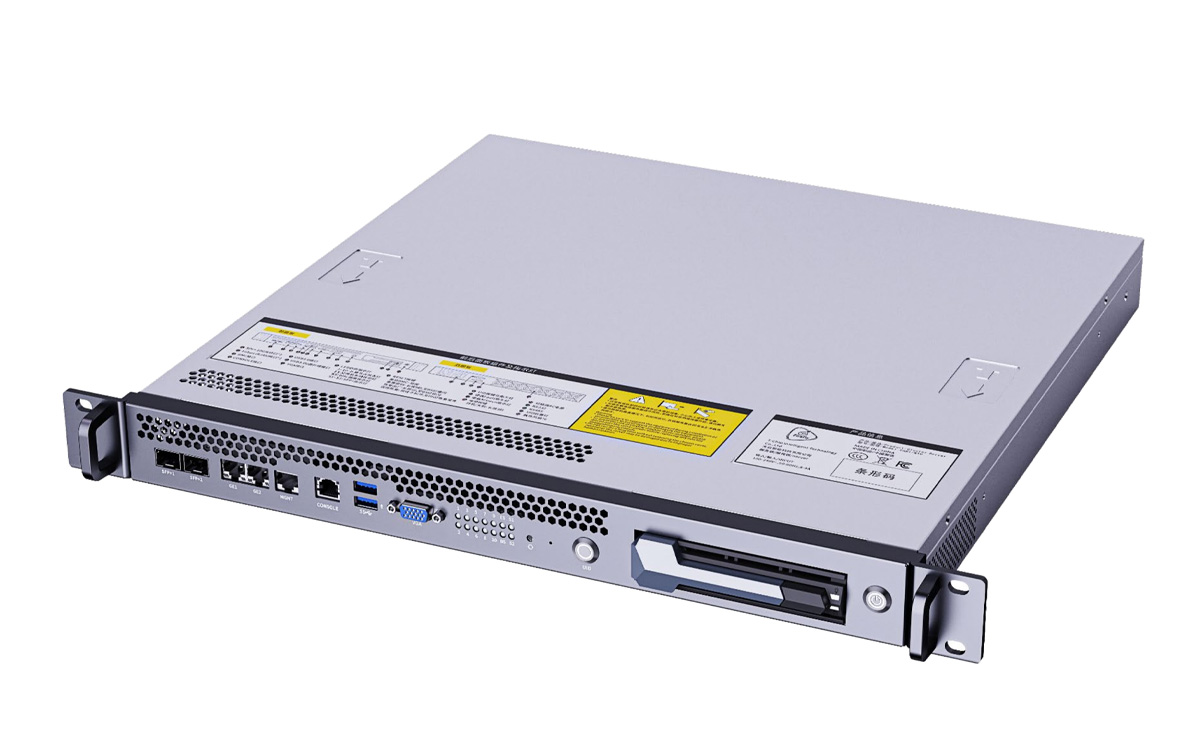

After SpacemiT officially launched the K3 Pico-ITX SBC, and the K3 chip entered volume production, an Edge AI mini PC, and a laptop motherboard (for Framework 13) have been released. To add to the list, Firefly has recently launched the CSC2-N48SPK3, a massive 2U rack-mounted server based on multiple SpacemiT K3 SoCs designed to bring RISC-V computing power to enterprise racks. While consumer devices and modular laptops are great for developers, large-scale server-side AI workloads require more powerful hardware. The CSC2-N48SPK3 addresses this with up to 48 SpacemiT K3 RISC-V compute nodes, each with an octa-core X100 SoC delivering up to 60 TOPS (Sparse) AI performance, up to 32GB LPDDR5 RAM, 128 GB UFS storage, and an optional NVMe SSD. To manage all of these nodes, Firefly relies on a Rockchip RK3588 octa-core Arm processor as the central control node. Firefly CSC2-N48SPK3 specifications: Server Form Factor – 2U rack-mounted 48 Node high-density […]
AMD EPYC Embedded 8004 eATX motherboard supports up to 576GB DDR5 memory for Edge AI applications
IBASE Technology MBB1002 eATX (Extended ATX) motherboard is powered by AMD EPYC Embedded 8004 series processors and takes up to 576GB DDR5-4800 ECC memory for next-generation edge AI and data-intensive applications in manufacturing, transportation, and edge computing infrastructure. The “embedded” motherboard features five PCIe Gen5 x16 slots for integrating various GPUs and AI accelerators, dual 10GbE networking, NVMe and SATA storage, and USB 3.2 ports with PDPC (Peripheral Device Power Control). IBASE MBB1002 specifications: SoC – AMD EPYC Embedded 8004 series processor with up to 64x Zen4 cores (128 threads) via AMD SP6 LGA 4844 socket System Memory – Up to 576GB DDR5-4800 via 6x RDIMM slots with ECC; note: 576 GB = 6 x 96GB Storage 4x SATA III ports NVMe SSD via M.2 Key-M 2280 (PCIe Gen.5) socket NVMe SSD(s) via 2x MCIO (Mini Cool Edge IO) x4 sockets Networking – 2x 10GbE RJ45 ports via Intel XC710-AT2 […]
Intel Arrow Lake-S ATX motherboard supports up to 256GB CU-DIMM DDR5 RAM, features W880 chipset
Jetway ATX-ARS1-W880 is an ATX motherboard taking socketed Intel Arrow Lake-S SoCs with up to 24 cores, 36 TOPS of AI performance, and featuring four CU-DIMM (Clocked Unbuffered DIMM) sockets for up to 256GB DDR5 ECC memory, and a W880 chipset. Targeting Smart Factory applications, the industrial-grade motherboard also features four SATA III ports and two M.2 M-Key PCIe Gen5/4 sockets for storage, seven PCIe slots, three 2.5GbE ports, M.2 E-Key and B-Key sockets for WiFi, Bluetooth, and cellular (4G/5G) connectivity, sixteen USB interfaces (Type-A and headers), and a few serial interfaces. The ATX-ARS1-W880 also supports up to four independent displays through DP, HDMI, and VGA ports, and features a combo audio block with Line-in, Line-out, and MIC-out jacks. Jetway ATX-ARS1-W880 specifications: SoC – Intel LGA1851 socket for Intel Core Ultra 200S “Arrow Lake-S” processor up to 125W TDP Chipset – Intel W880 “workstation” chipset System Memory – 4x DDR5 […]
FOSDEM 2026 schedule – Embedded, RISC-V, Robotics, Rust, Open Hardware, and more
FOSDEM 2026 will take place on January 31-February 1, with thousands of developers meeting in Brussels to discuss open-source software & hardware projects. The free-to-attend “Free and Open Source Software Developers’ European Meeting” gets more traction every year, and in 2026, there will be at least 1,113 speakers, 1,016 events, 70 tracks, and potentially close to 10,000 attendees. As usual, I’ll create a virtual schedule with sessions most relevant to the topics covered on CNX Software from the “Embedded, Mobile and Automotive” and “Open Hardware and CAD/CAM” devrooms, but also other devrooms, including “RISC-V”, “Robotics and simulation”, and “FOSS on Mobile”, among others. I’m aware some of the talks overlap by a couple of minutes or so… FOSDEM 2026 Day 1 – Saturday, January 31 10:40 – 11:15 – RISC-V Vector optimisations in FFmpeg by Rémi Denis-Courmont FFmpeg is the most versatile multimedia codec and format support library, and was […]
Converting a disposable vape into a web server
People have been recycling batteries in disposable vapes for a while, but BogdanTheGeek has gone a lot of further, converting a specific model of disposable vape into a web server. How is that possible? Vapes have apparently become a bit more sophisticated in recent times, and some integrate an Arm Cortex microcontroller with a USB-C port that can be used to bring a network interface and run a web server. The specific disposable vape (exact model not provided, but Grok thinks it may be from Bang King. Update: Wrong!) used by BogdanTheGeek features one of the ultra-cheap Puya PY32 microcontrollers, namely a 24 MHz PY32F002B Cortex-M0+ MCU with 3 kB SRAM and 24 kB flash. The web server hack here involves using the SLIP (Serial Line Internet Protocol) through a /dev/tty device to bring up a network interface, along with uIP lightweight TCP/IP stack. The first implementation was really slow […]
ZimaBoard 2 Review – Part 2: An Intel N150 micro server and mini PC tested with ZimaOS, Ubuntu 24.04
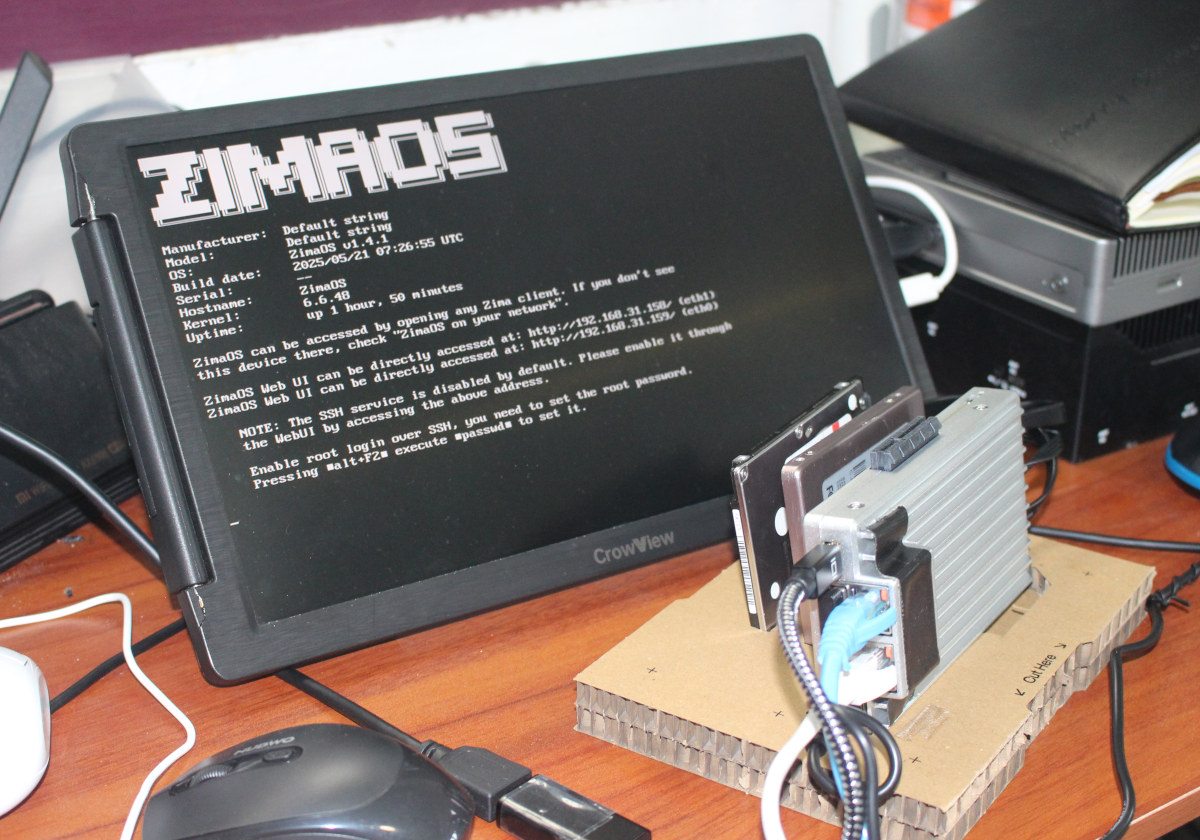
We’ve already checked out the hardware of the ZimaBoard 2 micro server in the first part of the review with an unboxing and a teardown of the Intel N150 mini PC, followed by a first boot to ZimaOS and a walk-through of the web dashboard to see what features it had to offer. I’ve now connected two SATA drives to the ZimaBoard 2 and done further testing with ZimaOS, notably checking system information and testing storage and networking performance. I also installed Ubuntu 24.04 on the ZimaBoard 2 for further testing for people preferring to use the system as a mini PC with SATA storage. ZimaOS v1.4.1 update When I connected to the web dashboard again, there was a new update for ZimaOS v1.4.1. Before and after the update is completed, I was shown the change log with new features like a scheduled shutdown function and a list of bug […]
Arm introduces new product naming architecture for infrastructure, PC, mobile, automotive, and IoT
We all know that Arm Cortex-A are application cores, Cortex-M microcontroller-class cores, and Cortex-R real-time cores used in various applications from IoT to automotive or architecture. But this may soon be thrown out of the window, as Rene Haas, Arm CEO, has published a short post entitled “The Arm Evolution: From IP to Platform for the AI Era” introducing a new product naming architecture with five categories: Arm Neoverse for infrastructure Arm Niva for PC Arm Lumex for mobile Arm Zena for automotive Arm Orbis for IoT While it’s not explicitly stated in the post, I assume that means the Cortex naming goes away because we’re told the Mali brand will continue as the GPU brand, and the Arm Neoverse N1, based on Cortex-A76, is an example where Cortex branding is not used anymore. So I understand, they just decided to apply similar naming to all the product lines, although […]
ZimaBoard 2 micro server review – Part 1: Unboxing, teardown, and ZimaOS interface
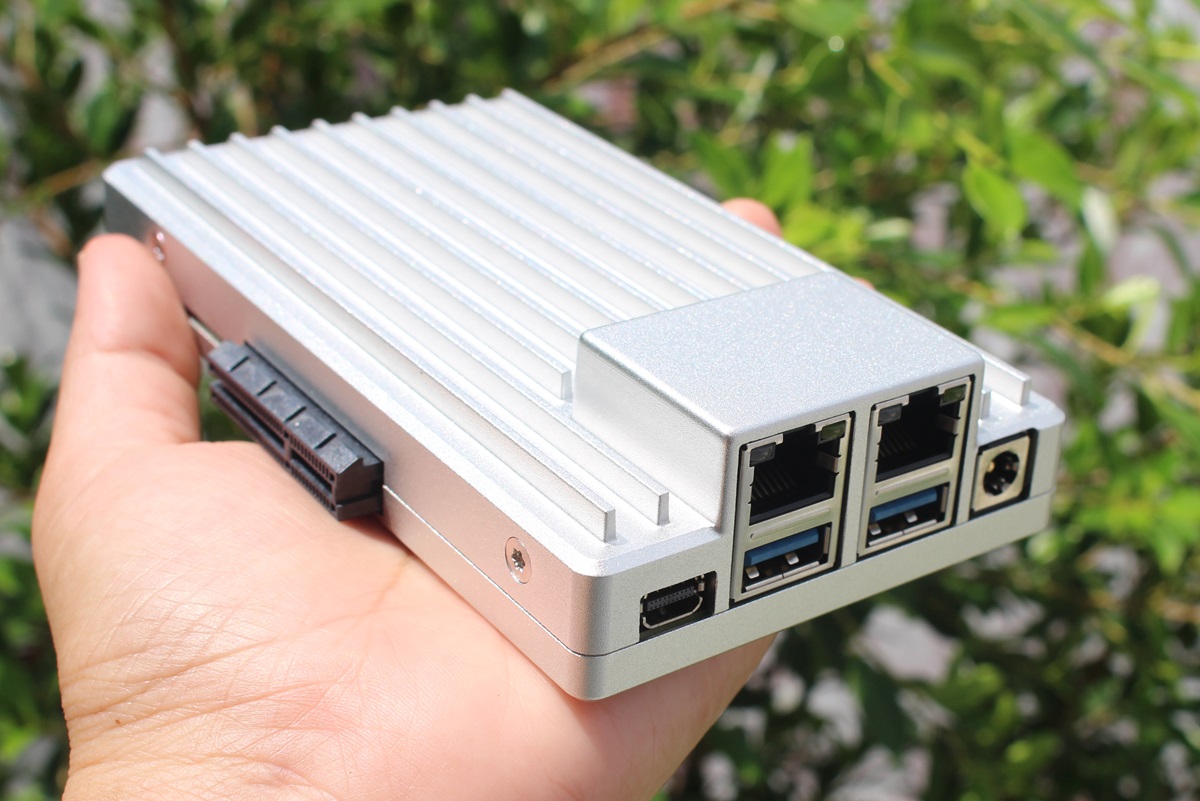
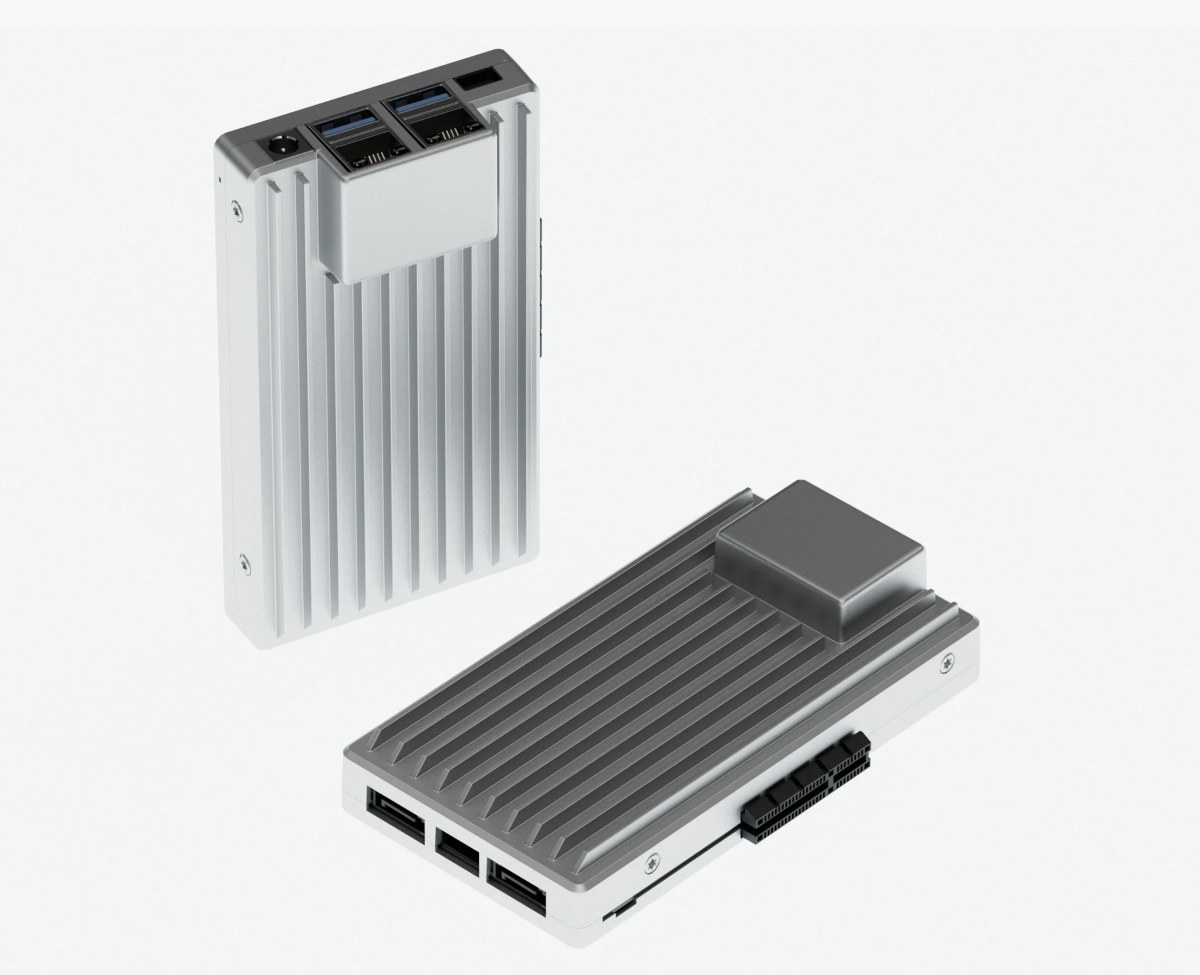
We’ve just received a review sample of the ZimaBoard 2 micro server and mini PC powered by an Intel Processor N150 “Twin Lake” CPU. The system features two 2.5 Gbps Ethernet ports, two SATA III ports, two USB 3.1 ports, and a miniDP video port supporting 4K resolution. IceWhale Technology provided us with the ZimaBoard 2 model 832 prototype with 8GB RAM and 32GB eMMC flash preloaded with the ZimaOS operating system for review. In this article, we will unbox the device and its accessories, perform a teardown, and boot the micro server with the pre-installed ZimaOS and check the web dashboard. In the second part of the review, we will test ZimaOS in more detail, run some benchmarks since it’s our first Twin Lake mini PC, install an Ubuntu virtual machine, test the SATA ports and PCIe 3.0 x4 slot, and more. ZimaBoard 2 unboxing We received a package […]