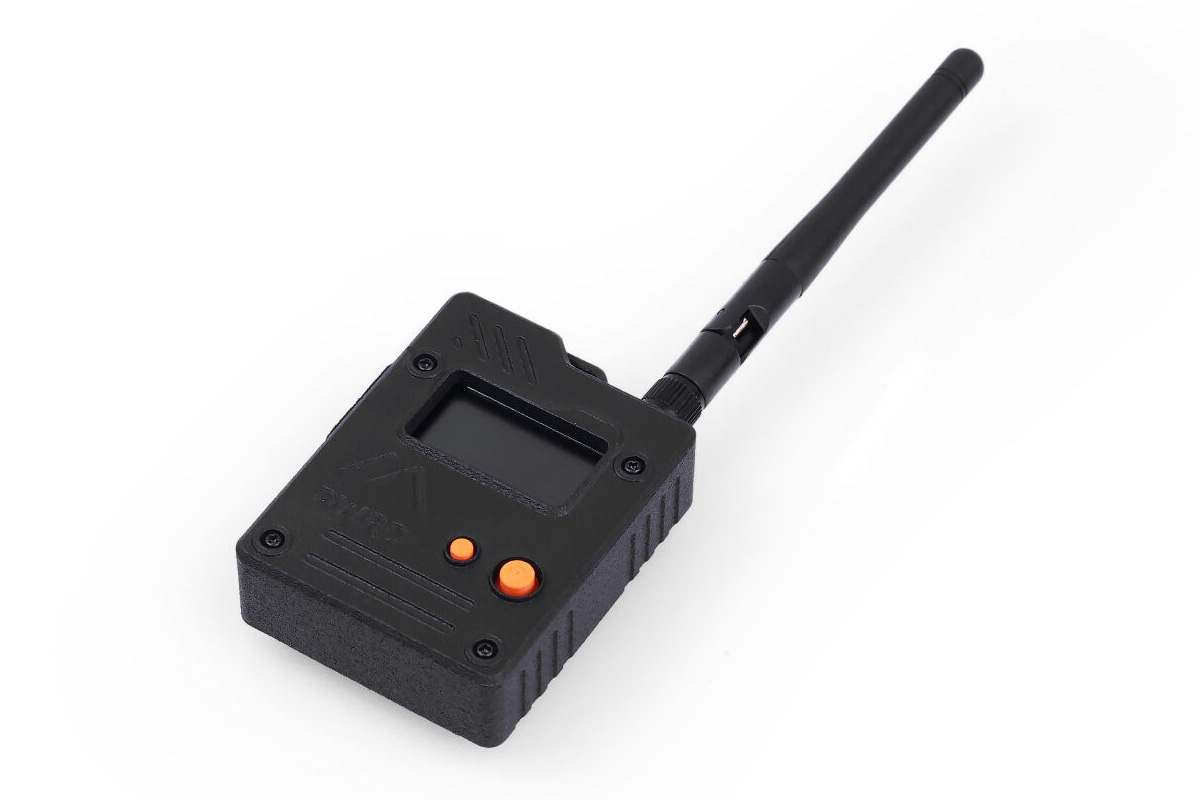

Designed by Ruictec in China, the TD04 is a LoRa-based low-power tracker that also features BLE and dual-band GNSS. It supports both indoor and outdoor positioning, and is suitable for fleet management, asset tracking, and geofencing over public or private LoRaWAN networks with minimal maintenance. The device combines GNSS (L1/L5) for outdoor positioning with BLE-based indoor tracking. It automatically switches between the two to optimize accuracy and power usage, delivering around 1–2 m accuracy outdoors and 2–4 m indoors. It is LoRaWAN 1.0.3-compliant, supports OTAA and ABP, and operates across multiple regional bands (EU868, US915, IN865, AS923, and others). Other features include a built-in motion sensor (G-sensor), configurable reporting and heartbeat intervals, iBeacon support, optional Bluetooth gateway mode, BLE-based configuration, OTA updates, and batch firmware upgrades. The device is powered by a 6000 mAh rechargeable battery and support 1.3 W solar panel input, enabling up to six months of standby […]
FireBeetle 2 ESP32-C5 IoT development board offers GDI display interface, LiPo battery support
Just the other day, I lamented the lack of options when it came to ESP32-C5 boards featuring dual-band WiFi 6 support. The FireBeetle 2 ESP32-C5 IoT development board made by DFRobot shows that I needed to be more patient… The ESP32-C5 board features 4MB flash, a USB-C port, a LiPo battery connector, and two GPIO headers for expansion, as well as a GDI display connector designed to add an SPI/I2C touchscreen display. The new RISC-V board has about the same features and form factor as the FireBeetle 2 ESP32-S3. It adds 5 GHz WiFi and an 802.15.4 radio for Zigbee, Thread, and Matter, but loses a camera connector, and comes with less memory and storage. FireBeetle 2 ESP32-C5 specifications: Wireless module – ESP32-C5-WROOM-1-N4 SoC – Espressif Systems ESP32-C5 CPU Single-core 32-bit RISC-V processor @ up to 240 MHz Low-power RISC-V core @ 40 MHz acting as the main processor for […]
The PV PI HAT adds 10A true MPPT solar charging to the Raspberry Pi (Crowdfunding)
Developed by Luke Ditria and his team at AutoEcology, the PV PI is a plug-and-play MPPT solar charging HAT designed for Raspberry Pi and other SBCs like the Orange Pi, Banana Pi, and NVIDIA Jetson. Designed for outdoor and remote projects and built around TI BQ25756 charge controller and STM32F103 MCU, it supports LiFePO4 management, true MPPT charging, power monitoring, and automation over the RS-232 UART interface. It also produces 5V output via a high-current buck/boost converter, supports watchdog-based power cycling, RTC wake-up scheduling, and automatic restart at safe voltage levels. With XT30 connectors, stackable headers, and RTC backup, the PV PI HAT is ideal for solar-powered IoT like AI-based wildlife monitors, environmental monitoring, and remote data logging applications. PV PI HAT specifications Compatibility – Raspberry Pi, Orange Pi, Banana Pi, NVIDIA Jetson, etc… Main MCU – STmicro STM32F103 Arm Cortex-M3 microcontroller @ 72 MHz Charge controller – BQ25756 I2C […]
PD.Charger-GSM v2.5 – An industrial solar MPPT charger with Wi-Fi, LTE/GPS, and RS485
The PD.Charger-GSM v2.5 is an industrial-grade solar and LiFePo4 charger/controller with MPPT support, designed for 2–4 cell Li-Ion/LiFePo4 batteries. With various connectivity options and a cryptographic co-processor, it’s ideal for IoT, remote solar power systems, and battery-powered industrial applications. The device features a dual-MCU architecture where the STM32 handles battery charging and monitoring, and an ESP32 manages WiFi and Bluetooth connectivity, as well as LTE/NB-IoT GSM/GPS, and RS-485 with ModBUS support. The board also offers two solar inputs with MPPT, a DC adapter input, automatic buck/boost control, SMA connectors for all RF interfaces, a USB Type-C for programming, and expansion headers for prototyping. A hardware crypto co-processor handles secure key storage, TLS encryption, and secure boot. PD.Charger-GSM v2.5 specifications: SoCs STM32L051xx MCU for battery management and monitoring ESP32-D0WDQ6-V3 dual-core Xtensa LX6 processor, 240 MHz, 16MB Flash, 8MB PSRAM Display – Supports optional PD.Screen / PD.Screen_PRO modules for real-time display of […]
Seeed Studio XIAO-2CH-EM Review: 2-Channel Wi-Fi AC Energy Meter with two CT clamps, ESPHome preloaded
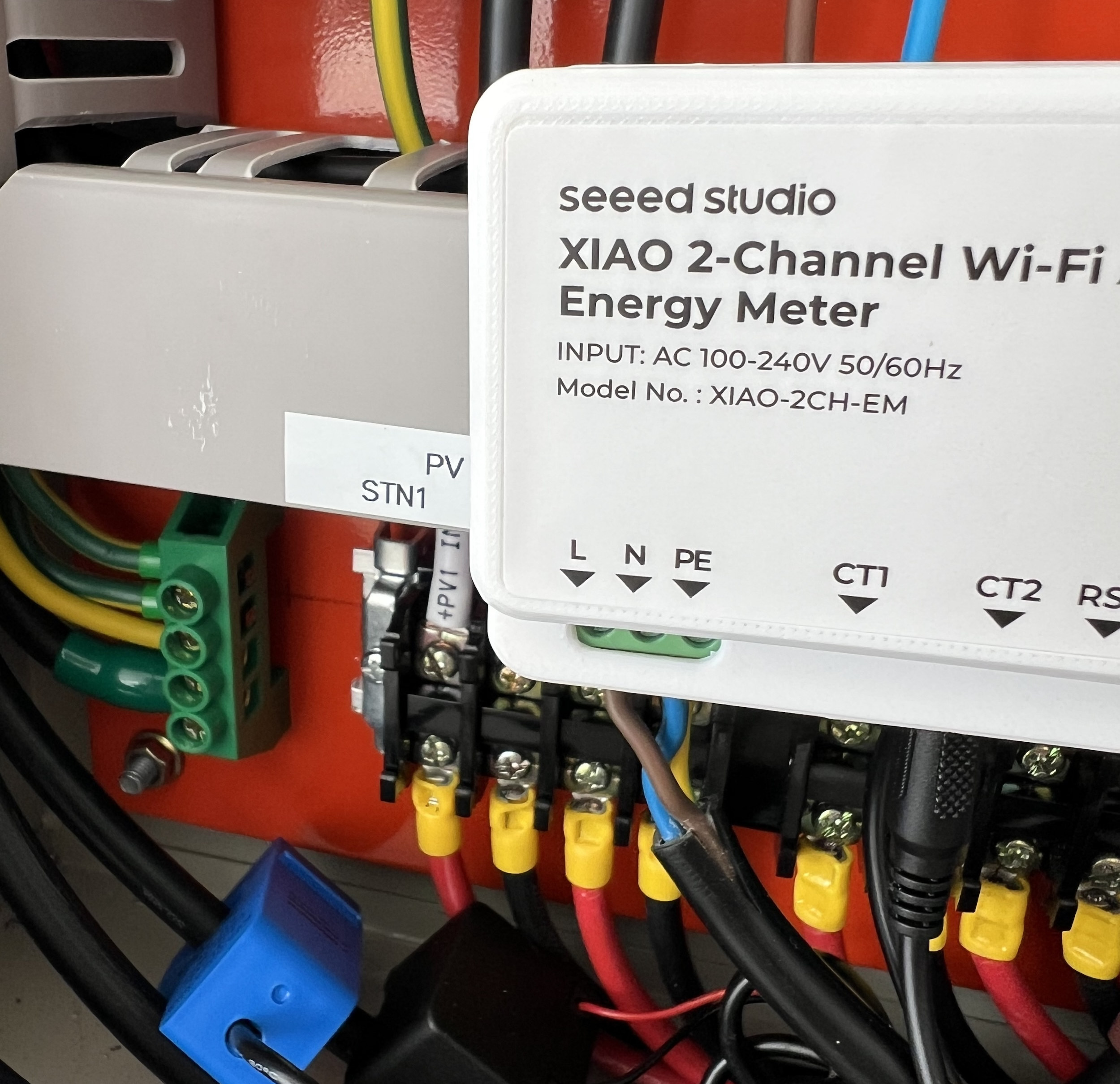
We have received a review sample of an energy metering device from SeeedStudio called the XIAO 2-Channel Wi-Fi AC Energy Meter (XIAO-2CH-EM). This device uses a clamp-on CT (Current Transformer) method on the live wire that you want to measure, without needing to modify the existing electrical wiring. XIAO-2CH-EM comes with several key features such as dual CT sensors (CT1 and CT2), native ESPHome & Home Assistant Integration, precise measurement with factory calibration, and bi-directional power flow monitoring. While the XIAO-2CH-EM has 2 CT input ports, it will only ship with one CT clamp by default, but users can purchase an additional CT clamp if needed. The two CT channels operate independently, and each one can measure bidirectional power and supports devices using up to 100A of current. That should be enough for an ordinary home. The XIAO-2CH-EM comes pre-flashed with ESPHome firmware from the factory, meaning it can be […]
Wio Tracker L1 Pro is a battery-powered, ready-to-use Meshtastic LoRa node
The Wio Tracker L1 Pro is a battery-powered LoRa node pre-flashed with the Meshtastic firmware for low-power off-grid messaging and GPS coordinates sharing. It integrates a Semtech SX1262 LoRa module for wireless data transmission and uses a Nordic nRF52840 Bluetooth 5.0 SoC to process and display the data. The L1 Pro also features a 1.3-inch OLED display, a rechargeable battery, a USB Type-C port, and a solar panel connector housed in a durable 3D-printed enclosure. It is fully compatible with the Grove ecosystem and offers expansion via PTH headers and an SWD interface. Wio Tracker L1 Pro specifications: SoC – Nordic Semiconductor nRF52840 CPU – 32-bit Arm Cortex-M4F microcontroller @ 64 MHz Memory & storage – 1 MB Flash, 256 KB RAM Wireless – Bluetooth 5, Thread, ANT, Bluetooth Mesh, 802.15.4 (Zigbee), 2.4 GHz proprietary Display 1.3-inch OLED display with 64 x 28 resolution Active Area – 34.5mm x 23.0mm x 1.47mm […]
ESPuno Pi Zero ESP32-C6 board takes up to 60V DC input, offers RS-485 interface (Crowdfunding)
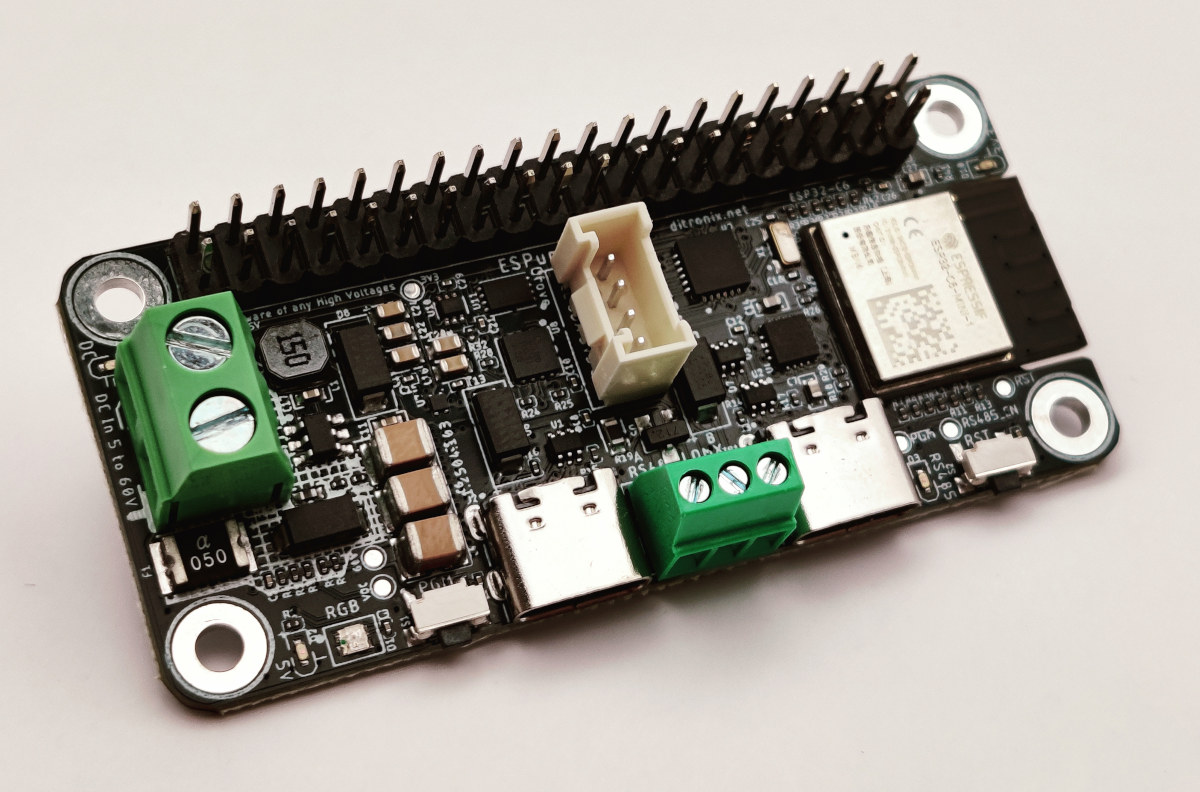
ESPuno Pi Zero is a Raspberry Pi Zero-sized board based on an ESP32-C6-MINI-1 WiFI 6, BLE, and 802.15.4 wireless module and an SMPS that allows up to 60V DC input via a 2-pin terminal block. The board also features two USB-C ports, one connected to the ESP32-C6 and the other to a CH343P USB-to-serial chip, a 40-pin GPIO header, a Grove connector, a 3-pin terminal block for RS-485, DMX, Profibus, and a few buttons and LEDs. ESPuno Pi Zero specifications: ESP32-C6-MINI-1-N4 or ESP32-C6-MINI-1U-N4 SoC – Espressif Systems ESP32-C6 CPU Single-core 32-bit RISC-V clocked up to 160 MHz Low-power RISC-V core @ up to 20 MHz Memory/Storage – 320KB ROM, 512KB SRAM Wireless – 2.4 GHz WiFi 6, Bluetooth 5.0, and 802.15.4 radio (for Thread/Zigbee) Storage – 4MB flash Antenna ESP32-C6-MINI-1-N4 – PCB antenna ESP32-C6-MINI-1U-N4 – External antenna Storage – 64Kbit 24C64 I2C EEPROM USB 1x USB Type-C UART (CH343P) port […]
SenseCAP Solar Node P1 and P1-Pro are low-cost outdoor Meshtastic repeaters
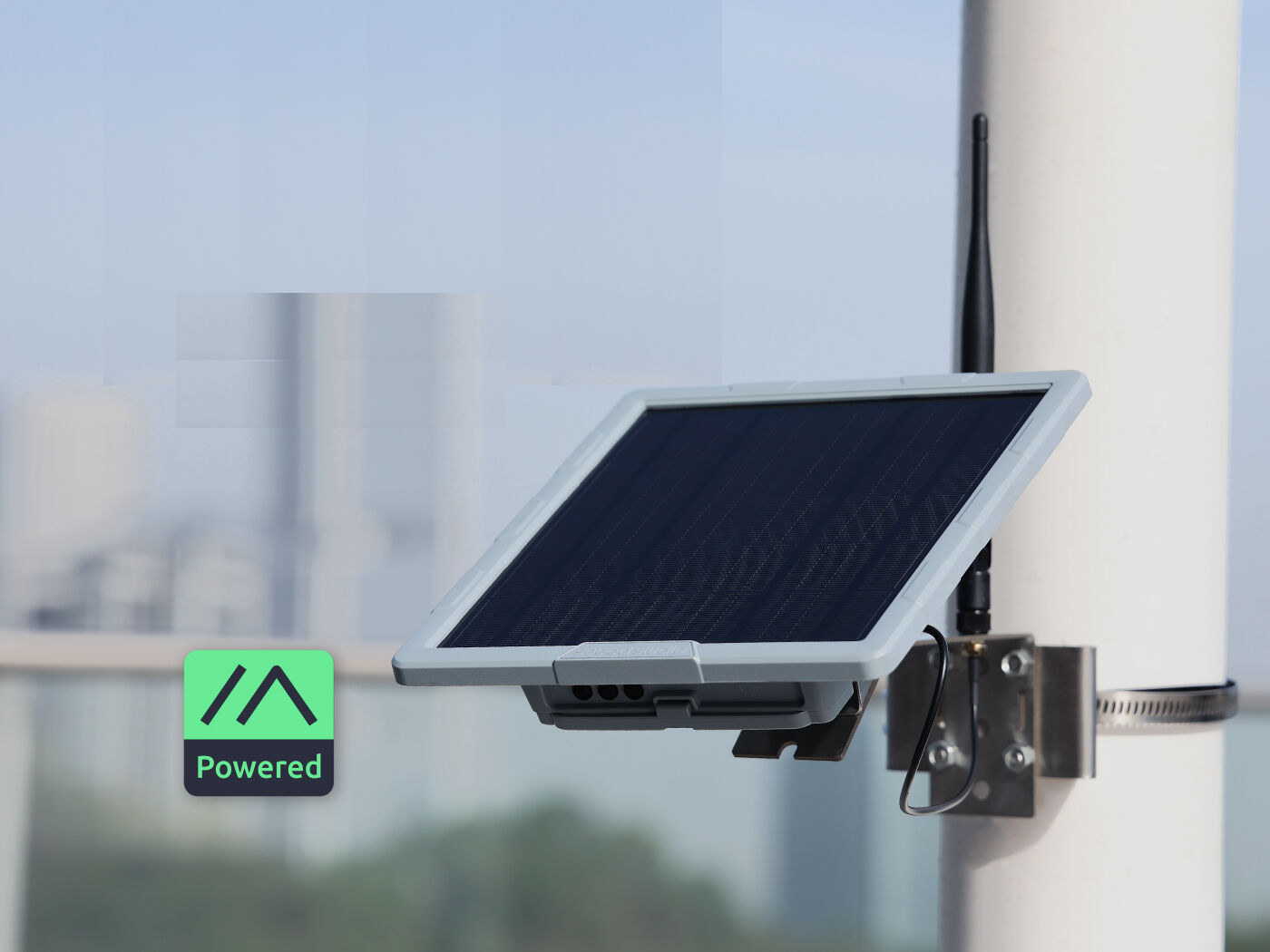
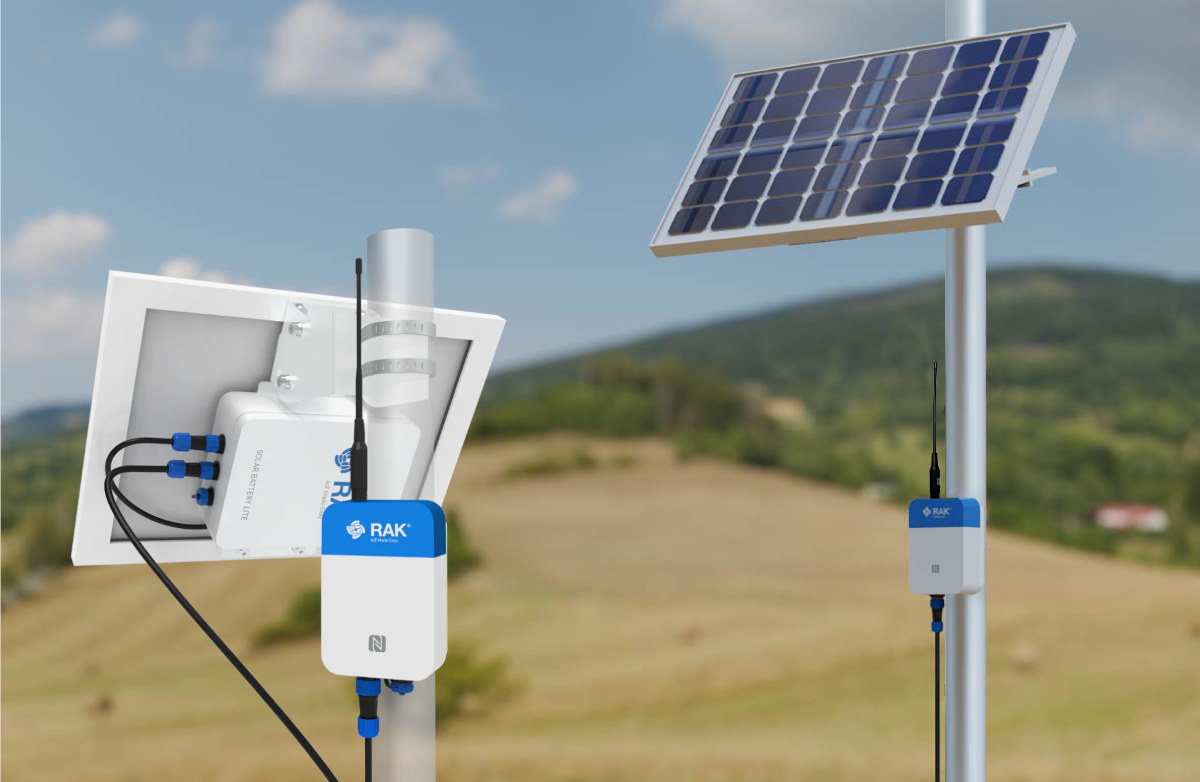
We’ve just written about RAKwireless solar-powered WisMesh repeaters to extend the range of Meshtastic networks, but there are now lower-cost options with Seeed Studio’s SenseCAP Solar Node P1 and P1-Pro repeaters. Both feature a solar panel, XIAO nRF52840 Plus and Wio-SX1262 modules, but the SenseCAP Solar Node P1-Pro adds GPS, GLONASS, and Galileo support with the XIAO L76K and four 18650 batteries for backup power.. SenseCAP Solar Node P1 and P1-Pro specifications Main controller – XIAO nRF52840 Plus SoC – Nordic nRF52840 Arm Cortex-M4F microcontroller @ up to 64 MHz with 1 MB flash, 256 KB SRAM, Bluetooth 5.0, NFC, 802.15.4 connectivity Storage – 2 MB onboard Flash USB – USB-C port for power and programming Wireless Wio-SX1262 Module – Semtech SX1262, TXOP=22dBm@862-930MHz) Output Power – Up to +22 dBm Frequency Range – 862 MHz to 930 MHz Modulations – LoRa, (G)FSK, Long Range FHSS Sensitivity – Down to -148 […]