HiSilicon Category - CNX Software - Embedded Systems News

Orange Pi AI Studio Pro – A Huawei Ascend 310 AI box with up to 352 TOPS, 192GB RAM

Orange Pi AI Studio Pro

Orange Pi AI Studio is a USB4 box designed for artificial intelligence applications, equipped with up to two Huawei Ascend 310 AI octa-core ARM 64-bit processors, delivering up to 176 TOPS per chip, as well as up to 192GB RAM. This follows the Orange Pi AIPro introduced last year, with an unnamed Huawei Ascend SoC delivering up to 20 TOPS NPU. The basic version of AI Studio has up to 96GB of LPDDR4X memory and 32MB of SPI Flash. The interface of the device is very simple, featuring a 12V 10A DC power interface, a USB 4.0 Type-C port, a power switch, and an indicator light. The only disadvantage is the limited number of ports provided, even do not include an HDMI port or an Ethernet port. Orange Pi AI Studio and AI Studio Pro specifications: SoC AI Studio – Huawei Ascend 310 octa-core 64-bit processor delivering up to 176 TOPS AI […]

$7 NearLink WS63E board supports Wi-Fi 6, BLE, and SparkLink Low Energy (SLE)

HH D02 NearLink Dev Board

The HiHope_NearLink_DK_WS63E_V03 is a low-power NearLink dev board built around the HiHope HH-SPARK-WS63E module, which features the HiSilicon NearLink WS63E SoC with 2.4GHz Wi-Fi 6, BLE 5.2, and SparkLink (SLE) 1.0 support. It’s designed for Smart Home and AIoT applications requiring low power and high security. The NearLink WS63E SoC features a 240MHz 32-bit CPU, 606KB SRAM, and a 4MB flash. The board exposes various interfaces like SPI, QSPI, I2C, UART, ADC, PWM, and GPIOs through GPIO headers. Security features include hardware AES, RSA, ECC, and FIPS140-2-compliant RNG. Target applications include Smart Home appliances, wearables, medical monitoring, industrial testing, energy management, and Smart Agriculture. HiHope NearLink_DK_WS63E specifications: SoC – HiSilicon NearLink WS63E 32-bit microprocessor up to 240 MHz 606 KB SRAM, 300 KB ROM 4MB embedded Flash Wireless (2.4GHz) Wi-Fi IEEE 802.11b/g/n/ax (ch1–ch14), 20/40MHz (n), 20MHz (ax) Data rates: up to 150 Mbps (HT40), 114.7 Mbps (HE20) MAC: 802.11d/e/i/k/v/w; Features: A-MPDU, […]

LinkPi ENC1Pro 4Kp60 HDMI video encoder supports NDI HX, Tally light, and 4G/5G/Wi-Fi USB Expansion

LinkPi ENC1Pro NDI Video Encoder

The LinkPi ENC1Pro is a compact, high-performance 4Kp60 HDMI video encoder designed for professional live streaming and broadcasting applications. It supports two HDMI 2.0 inputs and outputs with resolutions up to 4K @ 60fps, and is equipped with a built-in Tally light for studio use. Powered by an unnamed quad-core Arm Cortex-A55 processor coupled with 4GB DDR4 RAM and 8GB eMMC flash, the device supports H.265 (HEVC), H.264, and MJPEG compression formats. It is compatible with various streaming protocols, including NDI HX (license required), RTSP, RTMP, SRT, HTTP, HLS, and ONVIF. Other features include real-time picture-in-picture, multi-view, watermarking, subtitles, audio mixing, and video recording in formats such as MP4, MOV, and MKV. The ENC1Pro also supports AAC, MP3, OPUS, and other audio codecs, and includes 3.5mm stereo audio I/O alongside HDMI audio. It also offers flexible network connectivity with Gigabit Ethernet, USB expansion for 4G/5G/Wi-Fi modules, and supports remote management […]

Huawei Matebook Pro is the first laptop sold with HarmonyOS operating system

Huawei Matebook Pro HarmonyOS laptop

Huawei Matebook Pro (HAD-W24 / HAD-W32) resembles a typical laptop with a 14.2-inch display, 24GB to 32GB RAM, and 1TB or 2TB SSD storage. What’s less common is that the processor is not named, and the laptop is the first to run Huawei’s HarmonyOS operating system. Those two are due to Western countries’ sanctions against the Chinese company. Huawei used to sell Intel-based laptops with Windows and Android smartphones, but they’ve not made hardware based on US technology for a while. As software support would eventually run out, they had to work on an alternative named HarmonyOS, which has been used on smartwatches, smartphones, and tablets for a while, but the Matebook Pro is the first computer sold with the new OS. While we don’t know the processor used, reports mention the Kirin X90 10-core (4+4+2) / 20-thread Arm SoC as an “Apple Silicon” solution. MateBook Pro specifications: SoC – […]

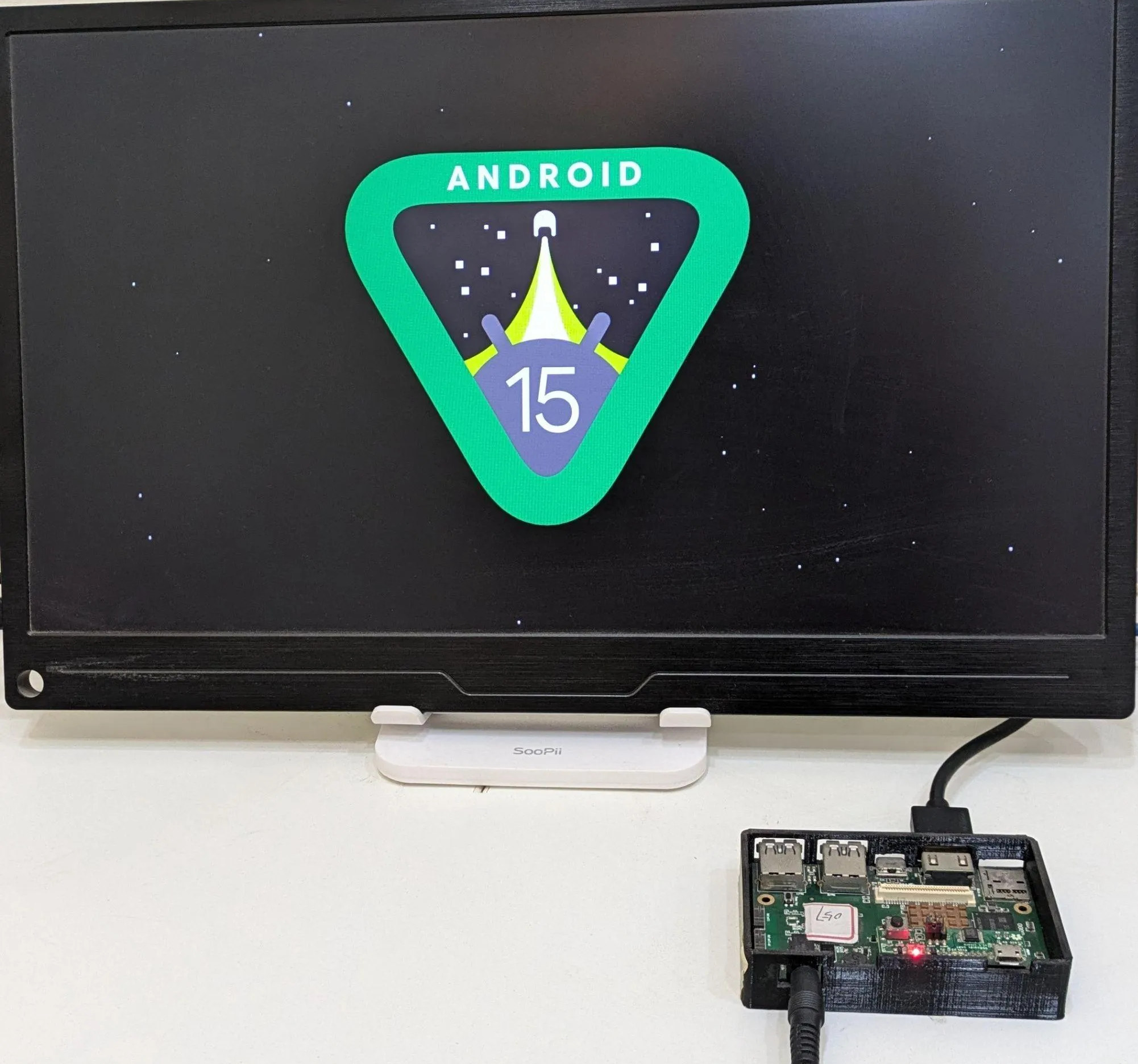
Orange Pi AIPro (8T) SBC features a 8 TOPS Huawei Ascend AI SoC, runs Ubuntu or openEuler

Orange Pi AIPro (8T)

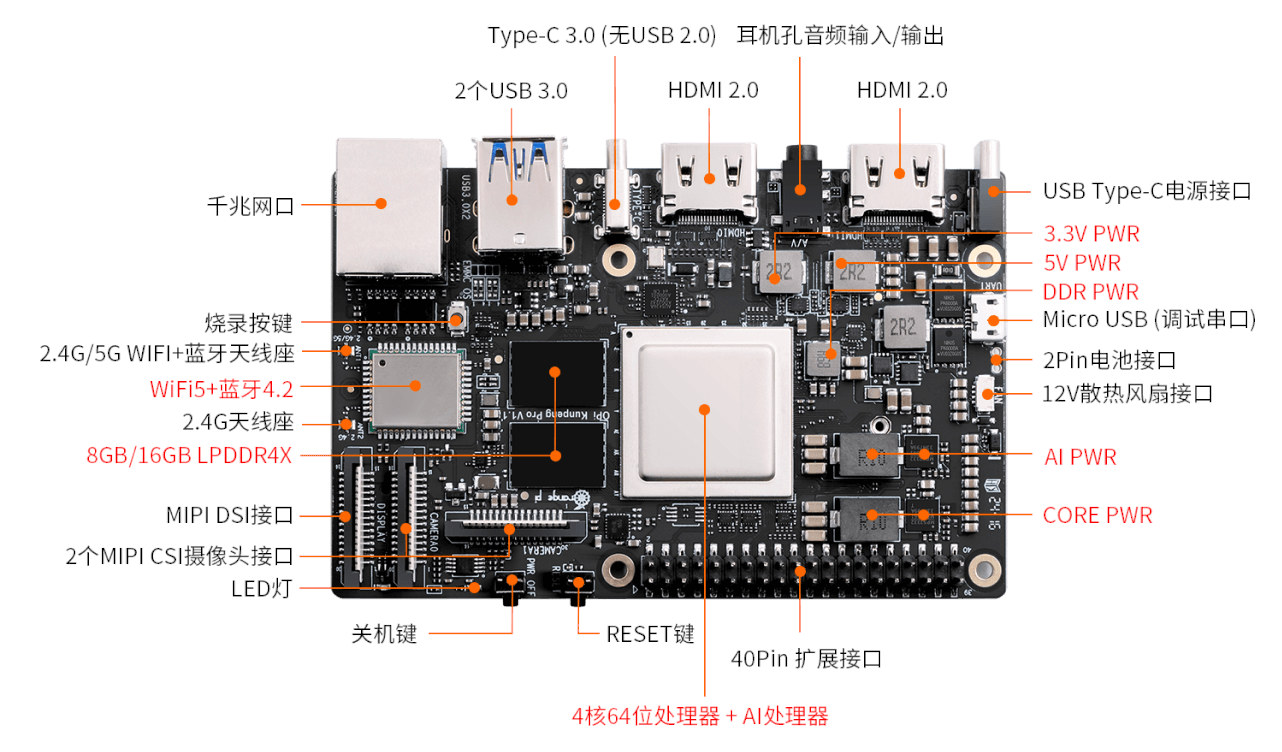
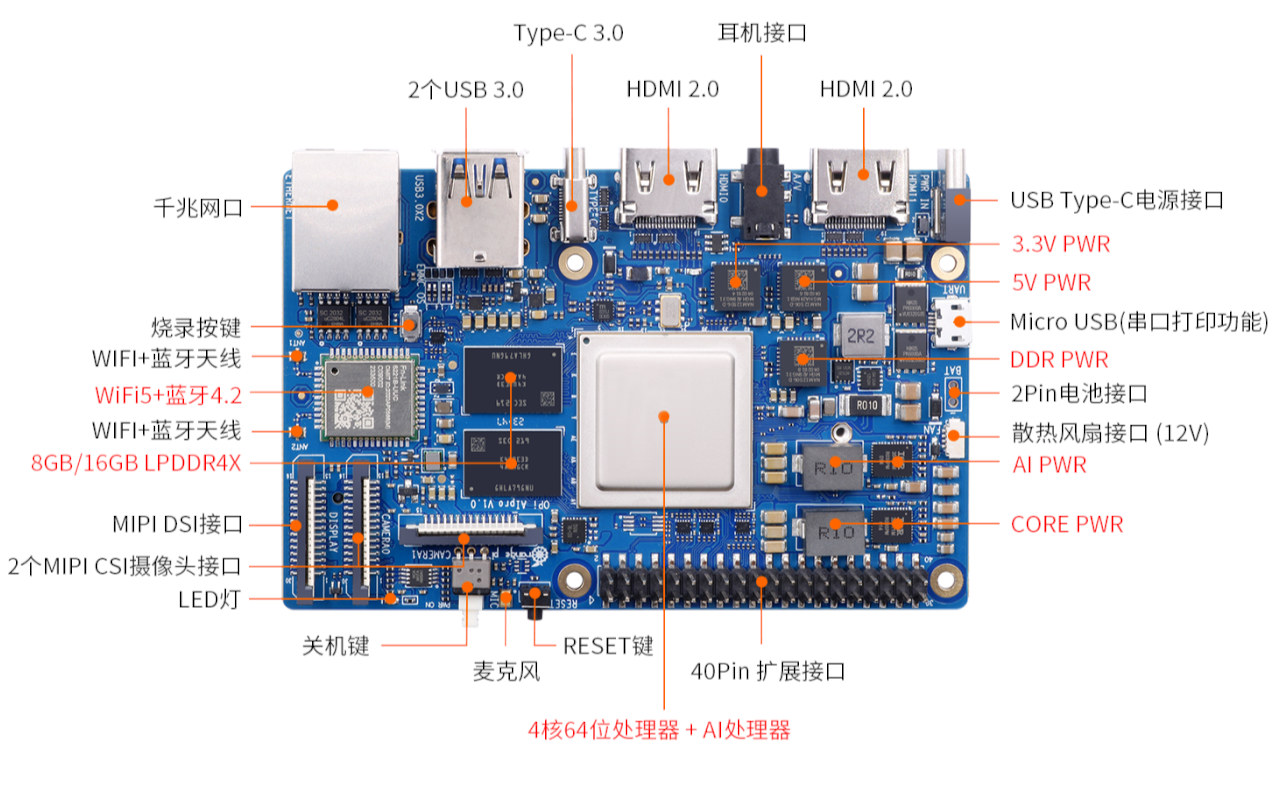
Orange Pi AIPro (8T) is a new single board computer for AI applications that features an unnamed Huawei Ascend AI quad-core 64-bit processor delivering up to 8 TOPS (INT8) of AI inference performance, although there’s also a 20 TOPS (INT8) variant of the SoC. The SBC comes with up to 16GB LPDDR4X and a 32MB SPI flash but also supports other storage options such as a microSD card, an eMMC flash module, and/or an M.2 NVMe or SATA SSD. The board also features two HDMI 2.0 ports, one MIPI DSI connector, a 3.5mm audio jack, two MIPI CSI camera interfaces, Gigabit Ethernet and WiFi 5 connectivity, a few USB ports, and a 40-pin GPIO header for expansion. Orange Pi AIPro specifications: SoC – Huawei Ascend quad-core 64-bit processor delivering up to 8 TOPS (INT8) AI performance and equipped with an unnamed 3D GPU; Likely Ascend 310B with Arm Cortex-A76 equivalent […]

Radxa Orion O6 Review – Part 1: Unboxing, Debian 12 installation, and first benchmarks

Radxa Orion O6 Review Debian 12

Radxa sent me a sample of the Orion O6 mini-ITX motherboard for review. The system is powered by an CIX P1 (CD8180) 12-core Armv9 processor, equipped with 16GB RAM, and offers features like 5GbE, HDMI and DisplayPort, a PCIe Gen4 x16 slot, and more. It’s one of the most anticipated boards of the first part of 2025 since it’s powerful, offers a good performance/value ratio, and eventually promises to boot any ISO Arm64 image through an open-source BIOS / EDKII bootloader. I’ll start this review with an unboxing, NVMe SSD and WiFi module installation, and a short tutorial showing how to install Debian 12 operating systems before getting some system information and running a few benchmarks. In a few weeks, I’ll publish a more detailed review with features testing and more benchmarks to see what works and what doesn’t at this very early stage. Radxa Orion O6 unboxing I received […]

Disabling VT-d improves Intel Arc GPU Linux performance on Meteor Lake and newer SoCs

Improve Intel Arc GPU performance Linux VT-d disabled

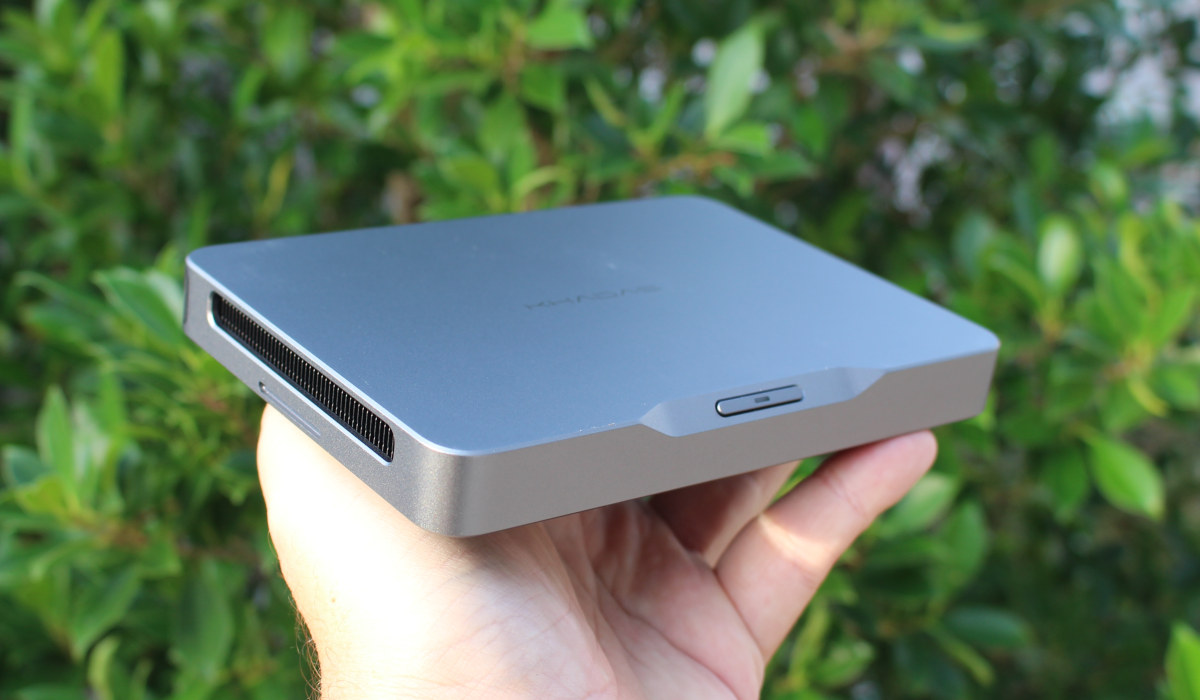
In this post, I’ll check whether disabling VT-d virtualization support may improve the performance of the Intel Arc GPU in recent Meteor Lake or Lunar Lake SoC using a Khadas Mind Maker Kit with an Intel Core Ultra 7 258V CPU with Intel Arc 140V graphics running Ubuntu 24.10. A few days ago, I read a post on Phoronix about Intel publishing tips to improve the performance of Intel GPUs in Linux: Keep the system updated with the latest kernel and Mesa versions. Ensure SoC firmware is up-to-date. These firmware updates currently require installing the Windows graphics driver; firmware updates via fwupd are in progress. Use Wayland where possible, as it supports additional modifiers for better performance. For MTL (Meteor Lake) and newer integrated GPUs, disable VT-d if virtualization is not needed. For discrete GPUs: Enable ReBAR_ Enable ASPM_ I was especially curious about the line about disabling VT-d virtualization […]

SONOFF MINI-D Review – A Matter-enabled dry contact WiFi switch tested with eWeLink, Home Assistant, and Apple Home

SONOFF MINI-D Review

SONOFF sent us a sample of the MINI-D Wi-Fi smart switch with a dry contact design for review. If you’re familiar with the larger SONOFF 4CH Pro model, which features four channels, the MINI-D operates similarly but is smaller in size and comes with the latest software features. The principle of a dry contact is that the relay contacts are not directly connected to the device’s power supply circuit. Instead, the contacts are isolated and require an external power source to supply power to the load. Make it flexible to use the SONOFF Mini-D in various scenarios such as controlling garage doors, thermostats, or high-current electrical devices through a contactor, like water pumps. It can also manage low-power DC devices such as solenoid valves or small electric motors (<8W). Because the power supplied to the MINI-D and the power passed through its relay can come from different sources, it offers […]