
Advantech MIO-5355 3.5-inch SBC features Qualcomm QCS6490 or QCS5430 SoC for industrial edge AI

MIO 5355 Qualcomm Dragonwing QCS6490 SBC

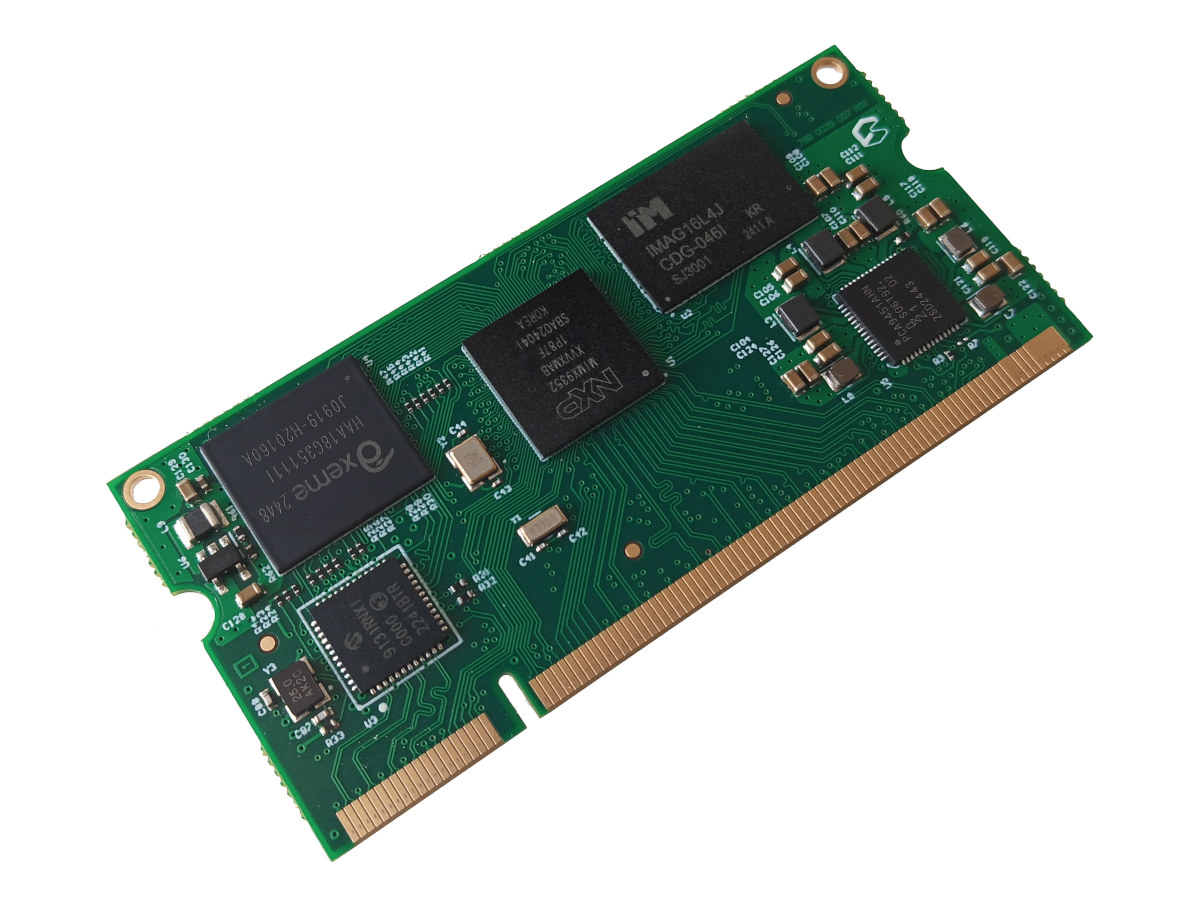
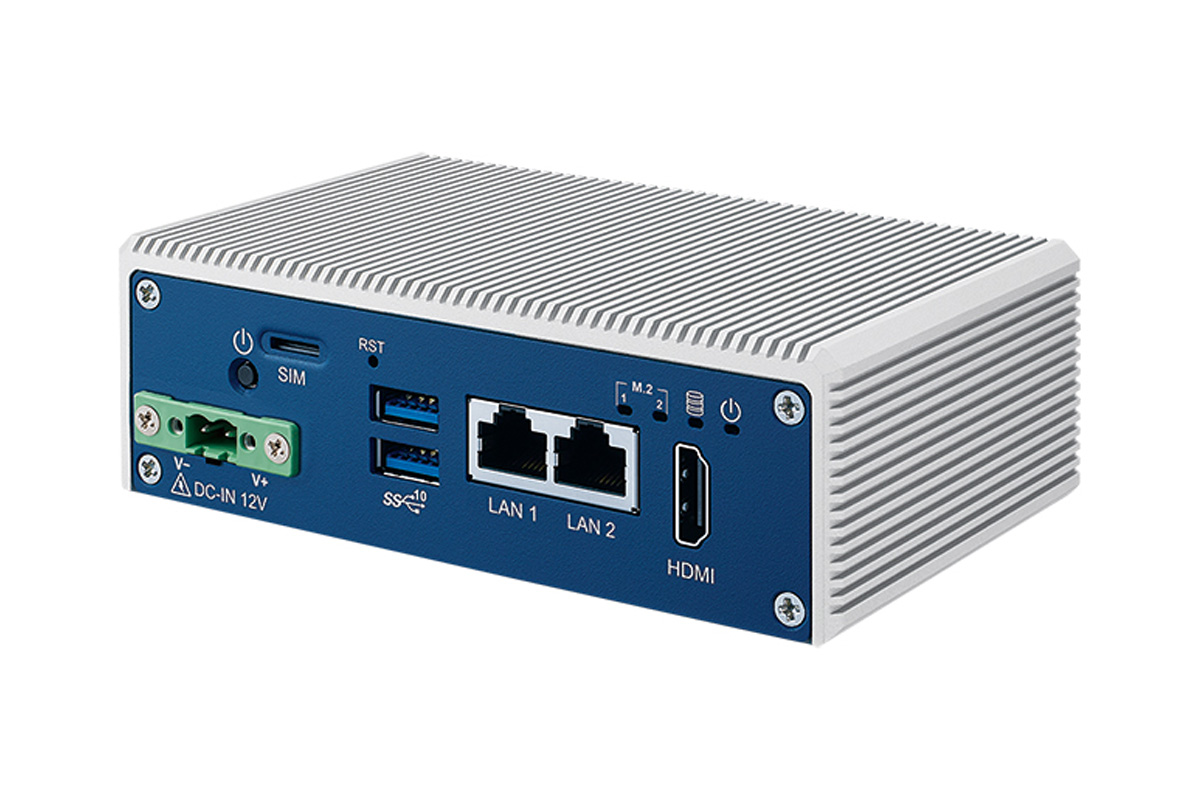
Advantech MIO-5355 is a 3.5-inch SBC based on Qualcomm QCS6490 or QCS5430 Edge AI processor. The board features up to 8GB of LPDDR5 memory, 128GB of UFS storage, and supports various operating systems, including Windows 11 IoT Enterprise, Ubuntu 24.04 LTS, and Yocto Linux. We have seen other QCS6490-based hardware in the past, such as the Radxa Dragon Q6A, the Quectel QSM560DR SBC, or the Rubik Pi 3, most of which come in compact form factors. The Advantech MIO-5355 takes a different approach, using a standard industrial 3.5-inch form factor (146 × 102 mm) and targeting industrial deployments with support for –20°C to 70°C operation and long-term availability. Advantech MIO-5355 specifications: SoC (one or the other) Qualcomm DragonWing QCS6490 CPU – Octa-core Kryo 670 with 1x Gold Plus core (Cortex-A78) @ 2.7 GHz, 3x Gold cores (Cortex-A78) @ 2.4 GHz, 4x Silver cores (Cortex-A55) @ up to 1.9 GHz GPU […]

Raspberry Pi AI HAT+ 2 review – A 40 TOPS AI accelerator tested with Computer Vision, LLM, and VLM workloads

Raspberry Pi AI HAT+ 2 review VLM chat test

Raspberry Pi sent me a sample of their AI HAT+ 2 generative AI accelerator based on Hailo-10H for review. The 40 TOPS AI accelerator is advertised as being suitable for LLMs (Large Language Models) and VLM (Vision Language Models), while delivering about the same performance as the first-generation AI HAT+ (Hailo-8) for AI vision/computer vision models. After going through an unboxing, I’ll assemble the AI HAT+ 2 to a Raspberry Pi 5 with 2GB of RAM fitted with a Raspberry Pi Camera Module 3, before quickly checking whether AI vision models work as expected, and spending more time on testing LLM and VLM samples. Raspberry Pi AI HAT+ 2 unboxing My sample had a somewhat long and rough trip from the UK to Thailand, and the package did not look that good when DHL delivered it. But luckily, nothing was damaged, and I got the AI HAT+ 2 with a […]

EnviroGo ESP32-S3 wearable environmental monitor features 7 sensors (Crowdfunding)

EnviroGo s 7 in 1 ESP32 wearable environmental monitor

EnviroGo is an ESP32-S3-based wearable environmental monitor that tracks Organic Compounds (VOCs), UV index, temperature, humidity, air pressure, light, and motion via a 9-axis MEMS sensor. It is designed for indoor and outdoor use, and can be worn, clipped to a bag, or magnetically mounted, making it suitable for homes, offices, travel, labs, and daily use where real-time environmental data is needed. EnviroGo supports built-in Wi-Fi and Bluetooth connectivity through the ESP32-S3 WiSoC, features a small 0.96-inch IPS display, a microSD card slot for local data logging, and an RTC for time-stamped records. The device samples data at configurable intervals, uses RGB LEDs and a buzzer for visual and audible alerts, and can process data locally with AI-based prediction to spot trends such as rising VOC levels or humidity changes (with a stated 7-day learning period). EnviroGo is designed for IoT developers, researchers, smart home users, and health-conscious individuals who […]

Bedrock RAI300 fanless industrial PC is powered by an AMD Ryzen AI 9 HX 370 mobile AI SoC

Soldrun Bedrock RAI300 industrial PC

SolidRun Bedrock RAI300 is the first industrial PC powered by a 12-core/24-thread AMD Ryzen AI 9 HX 370 mobile processor, typically used in premium consumer and commercial AI laptops. The fanless industrial computer supports up to 128GB DDR5 SO-DIMM memory to run AI models on the 50 TOPS NPU (80 TOPS combined) of the AMD processor, up to three M.2 NVMe 2280 PCIe Gen4 x4 storage devices, up to four display through HDMI 2.1 and DP 2.1 video outputs, and features up to four 2.5 Gbps Ethernet ports, a USB4 port, four USB 3.2 ports, and more. It’s available in two models: a thin “Tile” model and a thicker “60W model” to cater to different TDP configurations, ranging from 8W to 54W, and cooling options. Bedrock RAI300 specifications: SoC – AMD Ryzen AI 9 HX 370 “Strix Point” CPU – 12-core/24-thread processor with four Zen 5 cores up to 2.0/5.1 […]

Tablet-like, ESP32-P4-based 7, 8, and 10.1-inch HMI displays integrate Wi-Fi 6 connectivity, 5MP camera

ESP32 P4 HMI Display

Waveshare has recently released the ESP32-P4-WIFI6-Touch-LCD, a family of tablet-like, fully enclosed HMI display development boards built around the ESP32-P4 SoC. The company offers 7-inch, 8-inch, or 10.1-inch configurations, all designed for industrial HMI, smart home terminals, and edge AI applications. Since the ESP32-P4 does not include built-in wireless connectivity, Waveshare has integrated an ESP32-C6-MINI module for WiFi 6 and Bluetooth 5 (LE) support. The board also leverages the ESP32-P4’s peripherals for MIPI CSI/DSI interfaces, a 5MP camera, and various I/Os, including USB 2.0 OTG and USB-to-UART Type-C ports, an SDIO 3.0 microSD card slot, dual microphones with echo cancellation, a speaker driven by an onboard audio codec, GPIO expansion headers, and optional battery support. Waveshare ESP32-P4-WIFI6-Touch-LCD specifications: Wireless module – ESP32-P4-Core SoC – Espressif Systems ESP32-P4NRW32 CPU Dual-core 32-bit RISC-V HP (High-performance) CPU @ up to 400 MHz with AI instructions extension and single-precision FPU Single-RISC-V LP (Low-power) MCU core […]

NanoPC-T6 Plus Rockchip RK3588 SBC switches from LPDDR4x to LPDDR5 (up to 32GB)

NanoPC-T6 Plus

It’s been a while since FriendlyELEC has released a board, and the NanoPC-T6 Plus SBC is more of a variant of the NanoPC-T6 and NanoPC-T6 LTS rather than a really new board. It’s still based on a Rockchip RK3588 octa-core SoC, and equipped with two HDMI 2.1 ports, an HDMI input port, MIPI DSI/CSI interfaces, two 2.5GbE ports, and M.2 sockets for NVMe SSD and wireless, among other features. The main change appears to be that the new model is now offered with up to 32GB LPDDR5 rather than up to 16GB LPDDR4x in the previous models. It’s closer to the NanoPC-T6 LTS, although it now supports two analog microphones instead of just one, and restores the M.2 Key-B socket for optional 4G LTE connectivity found in the original NanoPC-T6. The 10-pin UART + 2x USB 2.0 header found in the LTS variant gives way to a 3-pin UART debug […]

Raspberry Pi AI HAT+ 2 targets generative AI (LLM/VLM) with Hailo-10H accelerator

Raspberry Pi AI HAT+ 2 Hail 10H

The Raspberry Pi AI HAT+ 2 is an add-on board based on the 40 TOPS Hailo-10H AI accelerator with 8GB of dedicated on-board RAM that brings generative AI capability to Raspberry Pi 5. While it delivers similar computer vision performance as the first-generation Hailo-8-based Raspberry Pi AI HAT+, the AI HAT+ 2 also adds support for large language models (LLMs) and vision-language models (VLMs) running locally without the need for Internet access. Target applications include offline process control, secure data analysis, facilities management, and robotics. Raspberry Pi AI HAT+ 2 specifications: AI accelerator – Hailo Hailo-10H AI accelerator delivering 40 TOPS (INT4) inferencing performance Performance for computer vision models comparable to the Raspberry Pi AI HAT+ (26 TOPS) 8GB on-board RAM Host interface PCIe Gen3 x1 FPC connector to Raspberry Pi 5 40-pin GPIO header (no signal used by the Hailo-10H, it only extends the GPIO header on the Pi) […]

reComputer Industrial R2135-12 review – A Raspberry Pi CM5-powered fanless Edge AI PC with Hailo-8 AI accelerator

kt69 recomp cover photo

Hello, today I am going to review the reComputer AI Industrial R2135-12 from Seeed Studio. This is an industrial edge computer built around the Raspberry Pi Compute Module 5 platform. The model is configured with 8 GB LPDDR4 memory and 32 GB eMMC storage. It provides a rich set of I/O options, including dual Gigabit Ethernet, USB 3.0/USB 2.0, HDMI output, and industrial interfaces such as RS-485/RS-232, CAN, and GPIO, along with Wi-Fi and Bluetooth support and a wide DC power input range suitable for industrial environments. In addition to standard checking and benchmarking the device, I will also include a hands-on demo application in which the system runs an AI model for real-time people detection from a USB camera, then sends detection results to an external ESP32 microcontroller to drive LED matrices for visually highlighting the locations of detected people. I made the following YouTube video to quickly demonstrate […]

Exit mobile version