
wolfIP – An open-source, lightweight TCP/IP stack with no dynamic memory allocations for embedded systems

wolfip TCP/IP library no memory allocations

Better known for its open-source wolfSSL SSL/TLS library, wolfSSL (the company) has now released the wolfIP open-source, lightweight TCP/IP stack with no dynamic memory allocations (e.g., no malloc calls) designed for resource-constrained embedded systems.

The company highlights that wolfIP “supports both endpoint-only mode and full multi-interface support with optional IP forwarding. By default, it operates as a network endpoint, but can be configured to forward traffic between multiple network interfaces”.

Realtek RTL8159 10GbE to USB 3.2 adapters sell for about $55 and up

WisdPi WP-UT9 10GbE USB 3.2 adapter

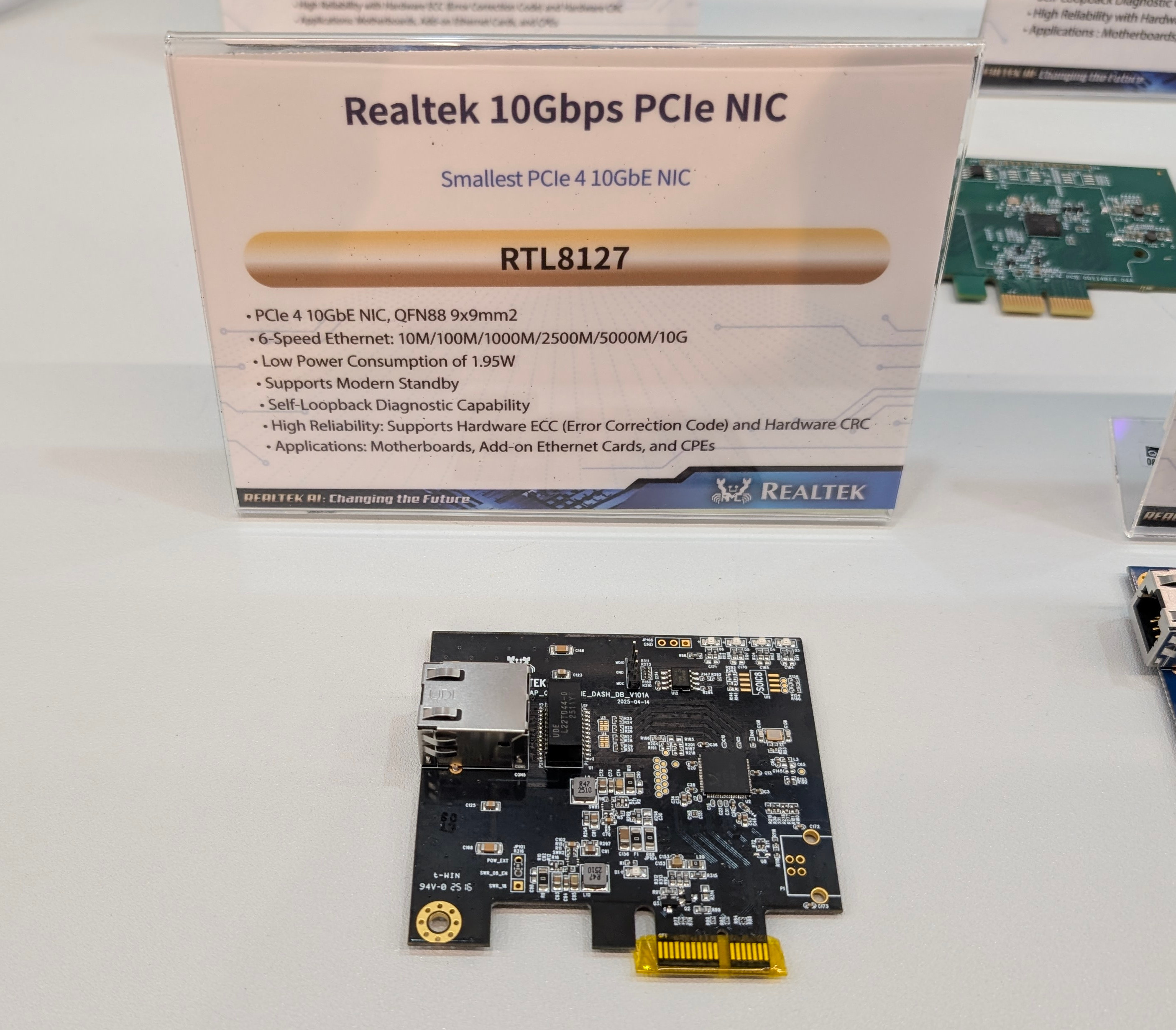
Realtek unveiled low-cost, low-power 10GbE RTL8127 (PCIe) and RTL8159 (USB 3.0) controllers at Computex 2025. Since then, we noted that RTL8127-based M.2 and PCIe 10GbE cards had already launched for as low as $35. However, a new X post by Jeff Geerling reminded me it was time to check on those RTL8159 10GbE to USB 3.2 adapters. So let’s do that now, starting with the Wisdpi WP-UT9 mentioned in the post/tweet. Wisdpi WP-UT9 WisdPi WP-UT9 specifications: Chipset – Realtek RTL8159 Ethernet – Up to 10GbE RJ45 port; backward compatible with 5 Gpbs, 2.5 Gbps, 1Gbps, and 10/100Mbps Ethernet USB – USB 3.2 Gen2 Type-C port; backward compatible, but slower ports will impact performance; USB hubs/docks and long cables are not recommended either Misc – 2x LEDs – Amber (Link) / Green (Activity) Power Supply – Via USB-C port Dimensions – 59 x 29 x 13 mm Weight – 58.8 grams […]

Digi IX25 – A rugged 5G RedCap/eMBB industrial cellular router

Digi IX25 5G Industrial Cellular Router

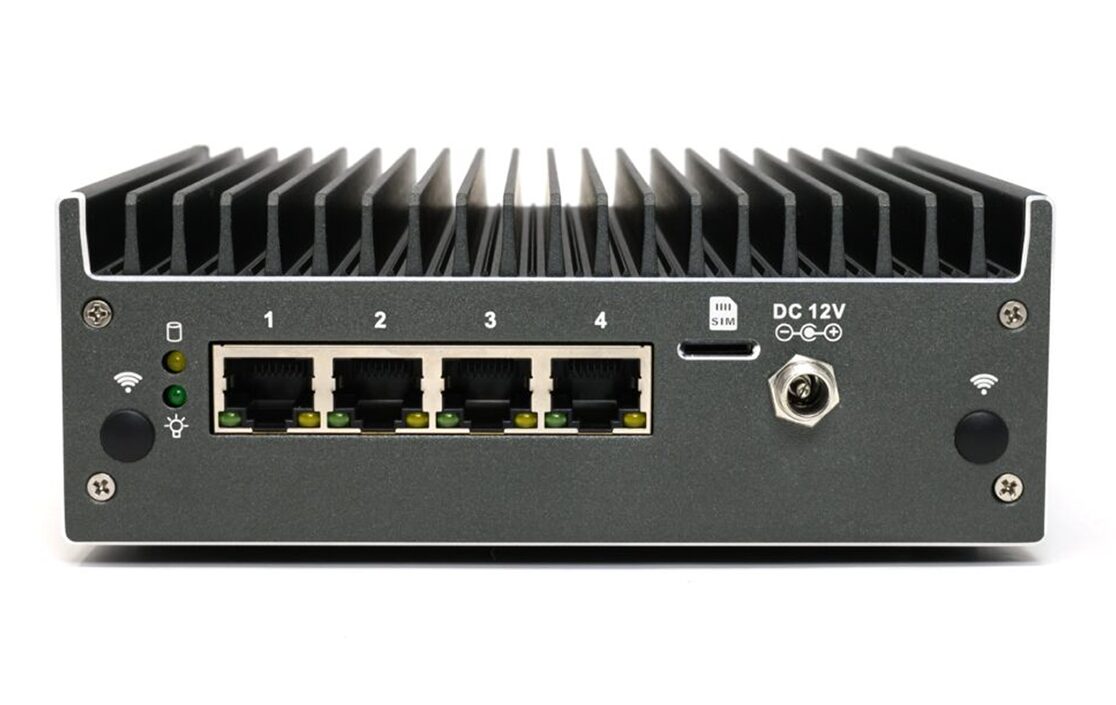
Digi International Digi IX25 is a rugged, industrial 5G cellular router designed for critical and enterprise applications. Built around a 1.2 GHz quad-core Cortex-A53 processor, this router combines cellular networking, edge computing, remote management, and secure connectivity into a single device, simplifying deployment across utilities, oil & gas, transportation, kiosks, ATMs, and digital signage. The platform comes in multiple variants, including 5G eMBB (Enhanced Mobile Broadband), 5G RedCap (Reduced Capability), and LTE-only, with some models supporting Wi-Fi 6E and others not. Other features, including dual SIM + eSIM for remote provisioning, four Gigabit Ethernet ports, GNSS, serial, and GPIOs, stay the same across all varieties. It is designed for harsh environments with −40°C to 75°C operation and certifications like C1D2, ATEX, and MIL-STD-810H. Digi IX25 specifications: Processor – 1.2 GHz quad-core ARM Cortex-A53 processor (could be NXP i.MX 8 family or MediaTek/Rockchip based chips) System Memory – 1 GB DDR […]

TerraMaster F2-425 Plus NAS review – Part 2: Configuration, benchmarks, and AI-enhanced media storage

TerraMaster F2-425 Plus NAS Review

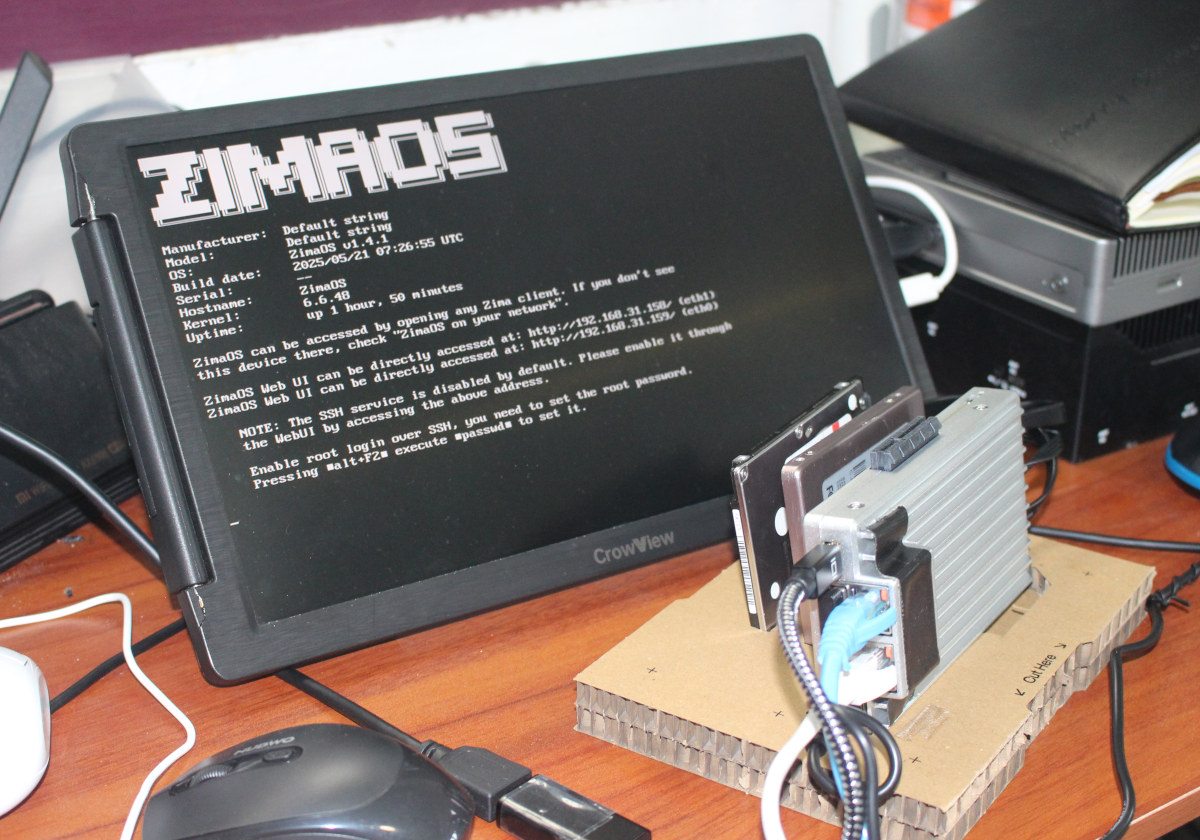
I received the TerraMaster F2-425 Plus 3+2 Hybrid NAS for review last month, and after checking out the hardware in the first part of the review, I’ve finally had time to test the Intel N150 NAS. After installing two 4TB SATA drives and an M.2 NVMe SSD, I’ll report my experience setting up the system with the TNAS Android app, before running some benchmarks, and testing features like photo backup with AI search capabilities. Hard drive installation I already had an old, but little-used, 4TB HGST SATA drive, and I bought a “new” 4TB SATA drive online for a pretty good deal (2979 THB or a little over $90 US). It turns out the HPE MB4000GVY2K drive I got was refurbished, having been manufactured in 2017. However, it’s an enterprise-grade drive, and the TNAS app reports it has been used “only” for 2,517 hours, so I don’t feel too bad […]

Luckfox Lume – A compact Allwinner T153 SBC with dual GbE, PoE, GPIO header, and MIPI interfaces for industrial HMI applications

Luckfox Lume

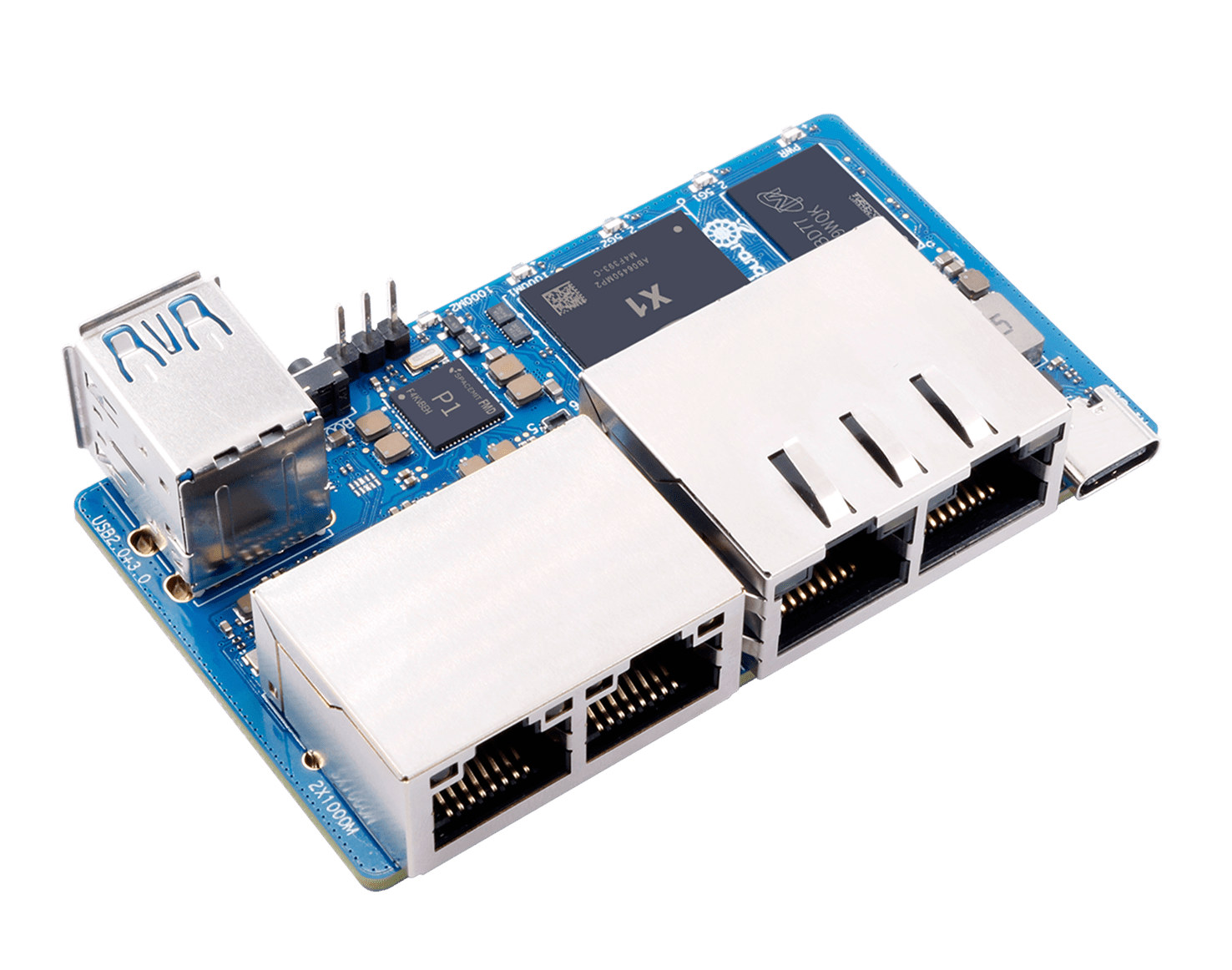
Luckfox Lume is a compact industrial SBC powered by an Allwinner T153 quad-core Cortex-A7 SoC with a low-power RISC-V core, and equipped with 128MB DDR3, 256MB SPI NAND flash, and dual Gigabit Ethernet The board also features a microSD card slot, a USB 2.0 Type-A port, a USB Type-C port, MIPI DSI and CSI connectors, and a 40-pin GPIO header suitable for a range of HMI applications. By default, the board is powered through USB-C, but a PoE model is also available. Luckfox Lume specifications: SoC – Allwinner T153 M3-QCX CPU 4x Arm Cortex-A7 cores @ up to 1.6GHz XuanTie E907 RISC-V core @ up to 600MHz GPU – 2D GPU only No VPU, no NPU System Memory – 128 MB built-in DDR3 (TBC) Storage 256 MB SPI NAND flash (Winbond 25N02KVZEIR) MicroSD card slot Display Interface – 4-lane MIPI DSI Camera Interface – 2-lane MIPI CSI Networking – 2x […]

Thin Raspberry Pi CM5 fanless mini PC offers HDMI video output, 2.5GbE + GbE, dual USB, M.2 Key-M socket

Thin Raspberry Pi CM5 mini PC

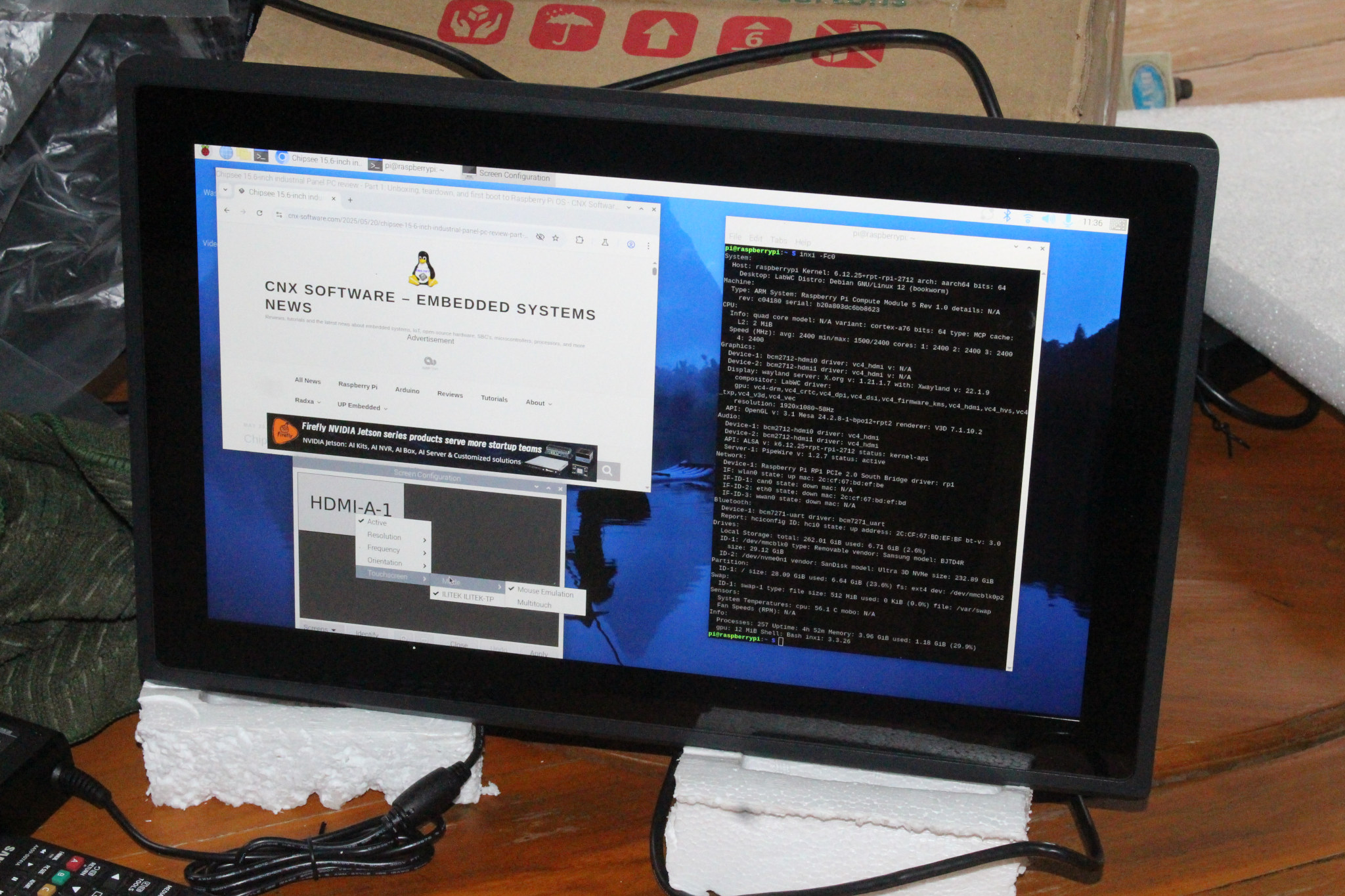
Waveshare “Gigabit / 2.5G Dual Ethernet Mini-Computer (B)” is a thin Raspberry Pi CM5 fanless mini PC with a 4K HDMI video output, 2.5GbE and Gigabit Ethernet RJ45 jacks, two USB ports, a microSD card slot, and USB-C power. Internally, it features an M.2 Key-M socket for a 2230/2242/2280 NVMe SSD or AI accelerator, two MIPI DSI/CSI connectors for cameras or displays, and a 40-pin GPIO header. The flat cables for the MIPI devices can be passed through an opening under the HDMI and USB 2.0 ports of the metal case, and the GPIO headers are also accessible externally through a small cover under the enclosure. Gigabit / 2.5G Dual Ethernet Mini-Computer (B) specifications: Main board – CM5-DUAL-ETH-BASE-B Supported SoMs – Raspberry Pi CM5 or CM5 Lite (and potentially other electrically compatible modules like the Banana Pi BPI-CM5 Pro, Radxa CM5, and Orange Pi CM5, but it’s not been tested […]

NanoPi NEO3 Plus – A tiny Rockchip RK3528A headless SBC with Gigabit Ethernet, USB 3.0 port, GPIO header

NanoPi NEO3 Plus

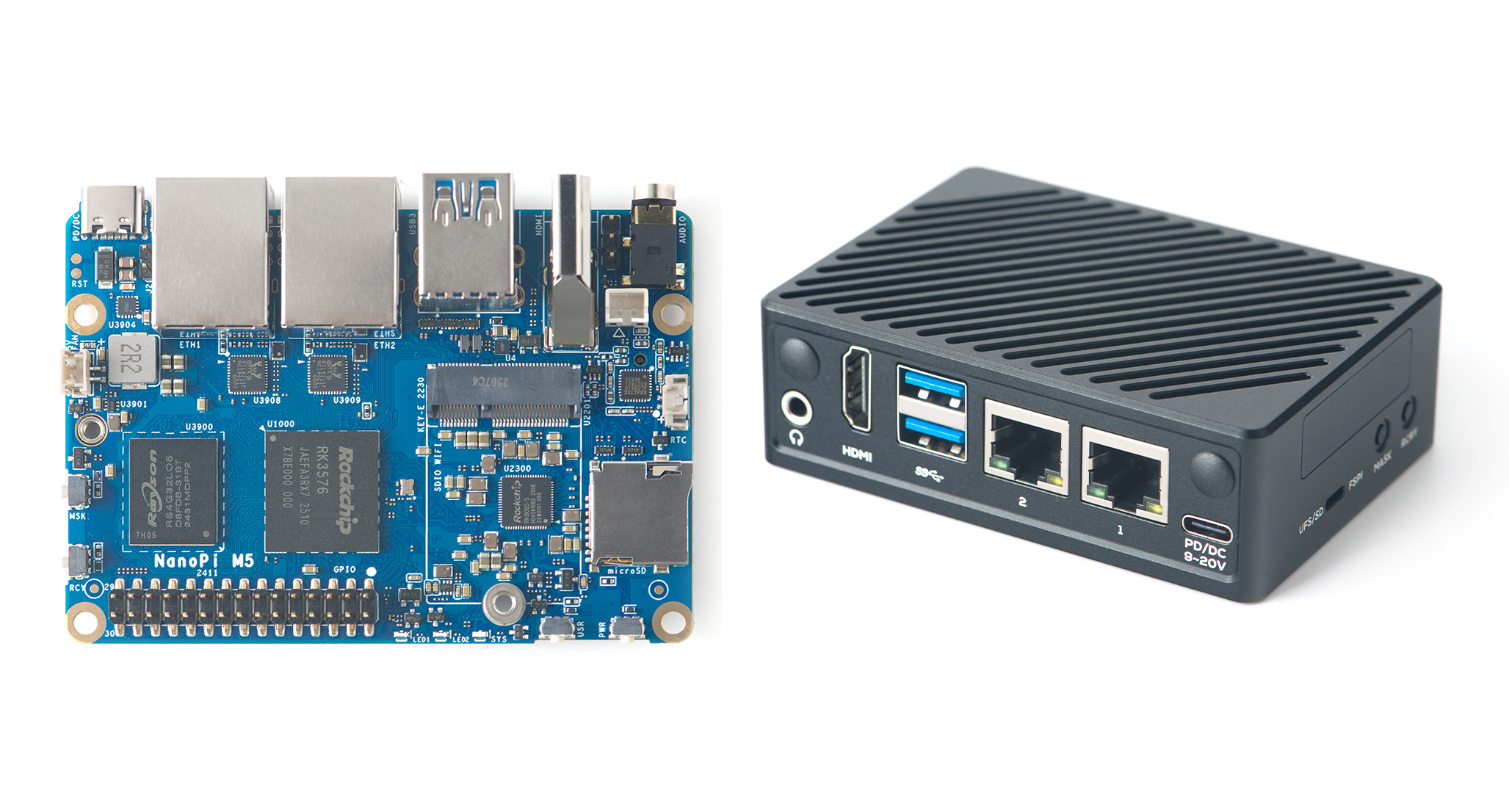
FriendlyELEC NanoPi NEO3 Plus is an ultra-compact headless SBC powered by a Rockchip RK3528A SoC paired with 1GB RAM, whose main interfaces are a Gigabit Ethernet jack, a USB 3.2 port, and a 26-pin GPIO header. I can still remember using its predecessor, the NanoPi NEO3, based on a Rockchip RK3328, which I reviewed with Armbian in 2020. The new model is similar, with a quad-core Cortex-A53 SoC but clocked at 2.0 GHz instead of 1.5 GHz, and offered with a black metal case instead of a white plastic case. The OS can still be booted from a microSD card, but the NanoPi NEO3 Plus also offers a socket for an optional eMMC flash module, and adds an RTC battery connector, a speaker connector, and a MASK button for firmware updates. NanoPi NEO3 Plus specifications: SoC – Rockchip RK3528A CPU – Quad-core ARM Cortex-A53 @ 2.0 GHz GPU – Arm […]

NXP TJA1410 and TJF1410 PMD transceivers enable “CAN-like” Single Pair Ethernet (SPE) connectivity

NXP TJA1410 and TJF1410 PMD transceivers

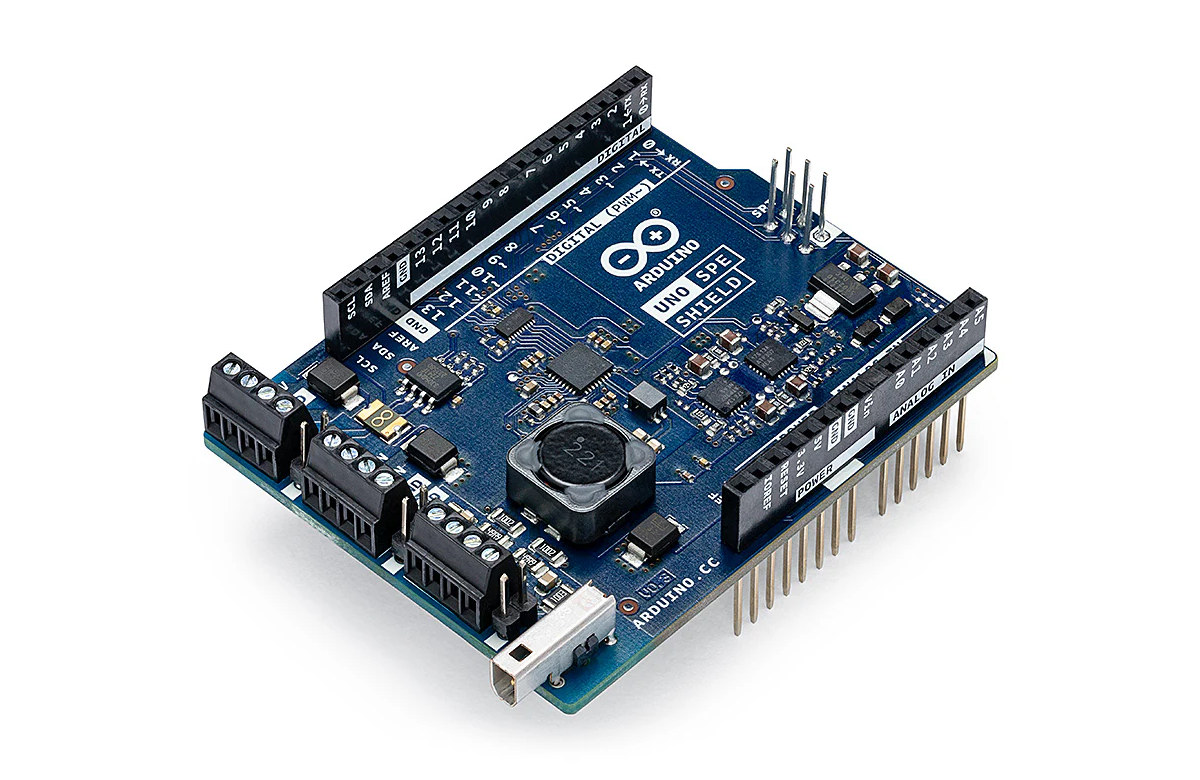
We’ve reported on 10BASE-T1S and 10BASE-T1L Single Pair Ethernet (SPE) chips from Microchip and Analog Devices in the past, which support Ethernet communication over a single twisted-pair cable. But those chips integrate a full Ethernet PHY or MAC-PHY inside the device. NXP takes a different approach with their TJA1410 (automotive) and TJF1410 (industrial) Physical Medium Dependent (PMD) transceivers. These new PMDs separate the analog physical layer from the digital Ethernet logic. By integrating the digital portion of the PHY into the host microcontroller or switch, the TJA1410 and TJF1410 only need to handle the essential analog functions for transmitting and receiving signals over the physical medium. They communicate with the host via a 3-pin OPEN Alliance (OA) interface. TJA1410 and TJF1410 PMD transceivers specifications: Networking – 10BASE-T1S (Compliant with IEEE 802.3cg and OPEN Alliance TC14,TC10 specifications) Host Interface – 3-pin OA interface (requires host MCU/switch with a 10BASE-T1S digital PHY) […]

Exit mobile version