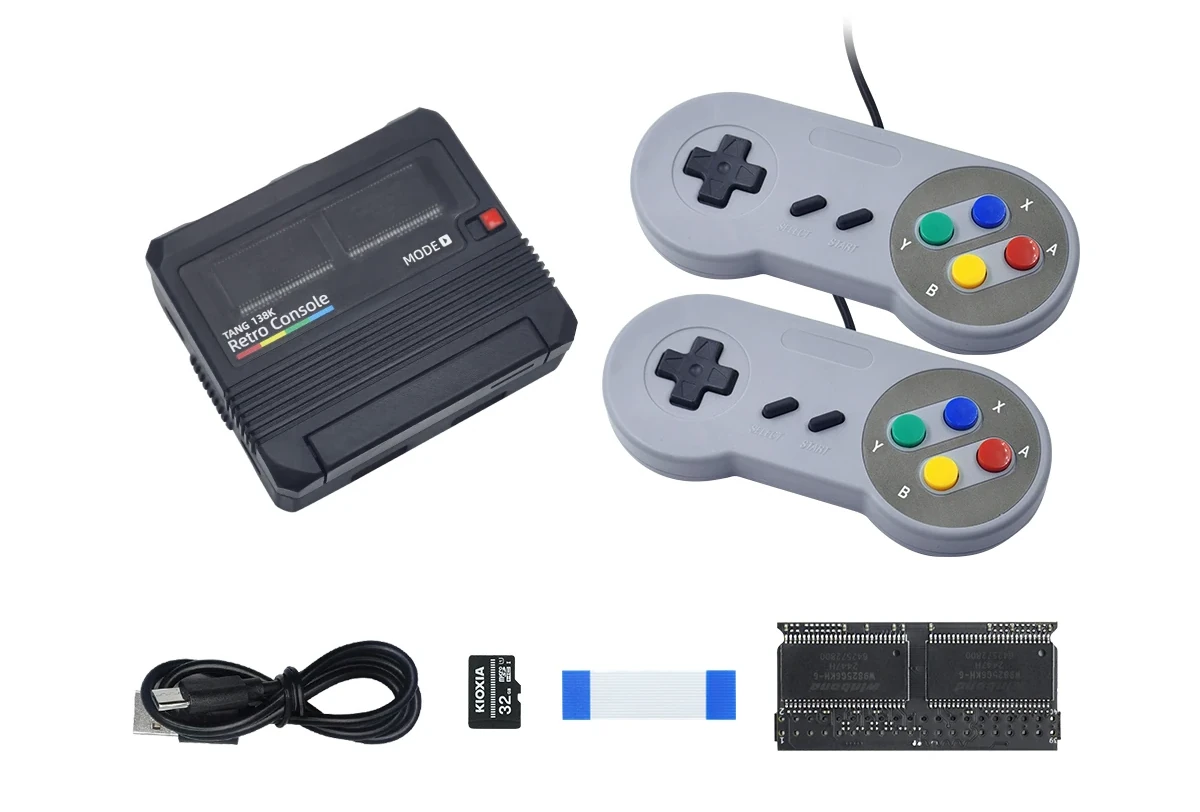

ACEMAGIC has launched a promotion for two of its AMD Ryzen 7 mini PCs. The Matrix Mini K1 mini PC, powered by a Ryzen 7 7730U paired with 16GB LPDDR4X and a 512GB NVMe SSD, benefits from a 23% discount down to $386, and the company offers an even deeper 32% discount for the ACEMAGIC Retro X3 Ryzen 7 H 255 mini PC, shipping with 16GB LPDDR5 and a 1TB NVME SSD. ACEMAGICIAN Matrix Mini K1 Key features and specifications: SoC – AMD Ryzen 7 7730U 8-core/16-thread CPU @ up to 4.5 GHz with AMD Radeon Graphics @ 2000 MHz; TDP: 15W System Memory – 16GB LPDDR4X Storage – 512GB NVMe SSD Video Output HDMI 2.0, DP 1.4b, USB-C with DisplayPort Alt mode Up to 3x 4K displays supported Audio – 3.5 mm audio jack Networking Ethernet RJ45 port WiFI and Bluetooth USB 4x USB 3.2 Gen1 ports 2x USB […]
Macintosh emulator works on ESP32-P4 display devkits from M5Stack and Waveshare
ESP32 chips have been used for retro gaming and computing for years, but Austin McChord (Amcchord) adds to that with a Macintosh emulator ported to a couple of ESP32-P4 display devkits. His project is a full port of the BasiliskII Macintosh 68k emulator, bringing classic Mac OS (System 7.x through Mac OS 8.1) to portable ESP32-P4 embedded devices with touchscreen, USB peripherals, and WiFi support through an ESP32-C6 on the boards. The main development platform appears to be the M5Stack Tab5 equipped with a 5-inch touchscreen display with 1280×720 resolution. However, if you need something with a larger screen, the Waveshare ESP32-P4-WIFI6-Touch-LCD-10.1 is also supported, and features a 10.1-inch display with 1280×800 resolution and a 10-point capacitive touchscreen. The actual Mac OS resolutions used are 640×360 and 640×400, respectively, then scaled twice to the native resolution of the display. Highlights of the project: CPU – Motorola 68040 emulation with FPU (68881) […]
Bare-metal MSX2+ Emulator for ESP32-S3 offers custom LCD_CAM VGA implementation & Z80 optimizations
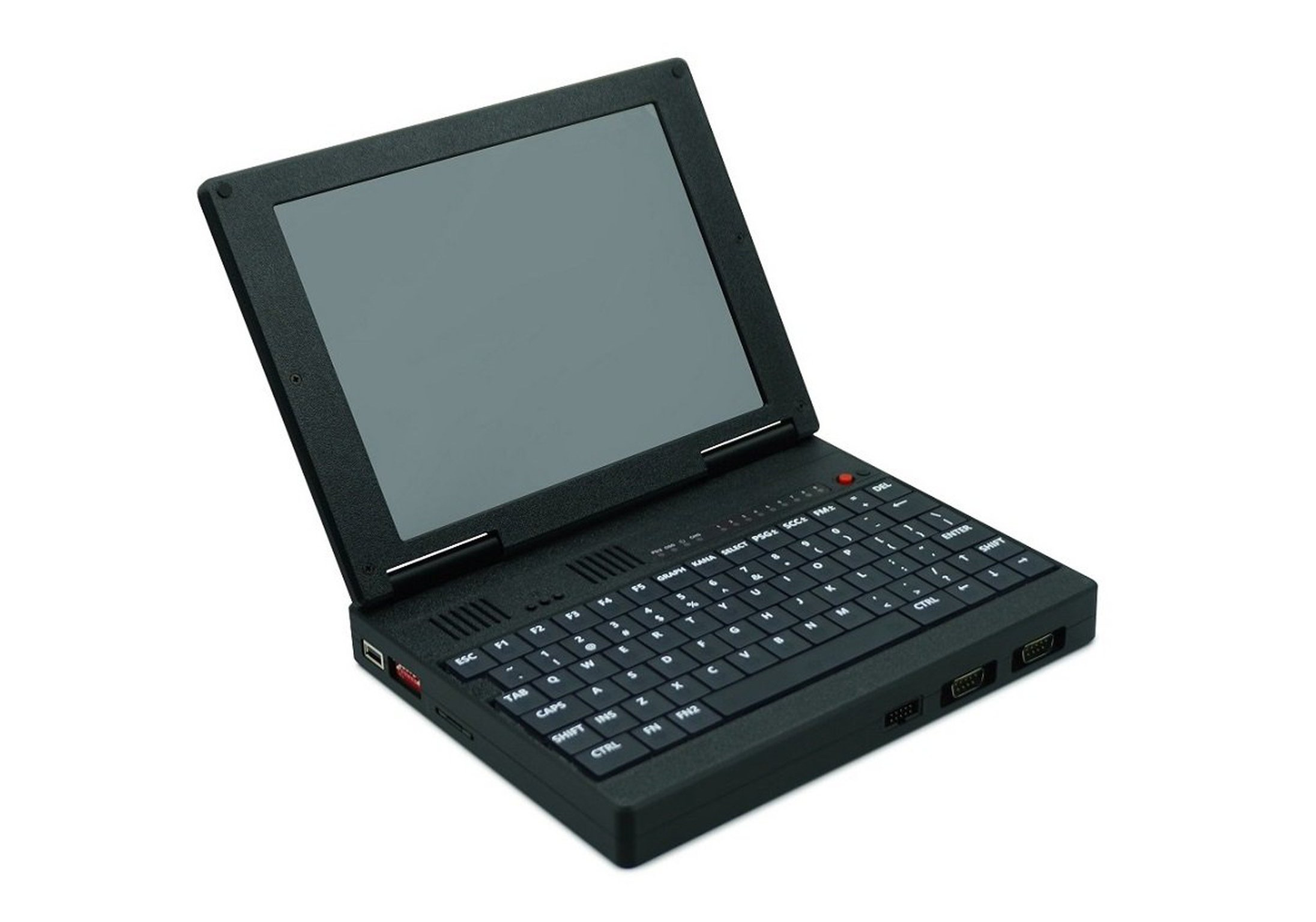
Ivan Svarkovsky’s S3-MSX-PC open-source project implements a bare-metal MSX2+ emulator running on an ESP32-S3 microcontroller and outputting 64-color VGA via a simple R-2R resistor ladder. It’s a fork of the Retro-Go emulator for ODROID-GO and other ESP32 devices, but with various optimizations. It was tested on an off-the-shelf ESP32-S3 board with one core handling the game logic and the other video and audio output. VGA is implemented through a clever resistor network that converts digital data into an analog signal that any old monitor understands, while audio relies on Sigma-Delta modulation with a multi-stage PDM filter. The USB host port on the board allows for the connection of a keyboard. S3-MSX-PC firmware highlights: Emulation Core – fMSX 6.0 — Full MSX1 / MSX2 / MSX2+ support Video Output VGA 640×480@60Hz, 16-bit parallel RGB via LCD_CAM Color Depth – 64 colors (2 bits per channel: R, G, B) Audio – PDM Stereo […]
ModRetro M64 – An AMD Artix UltraScale+ FPGA based open-source Nintendo 64-compatible console with original cartridge support
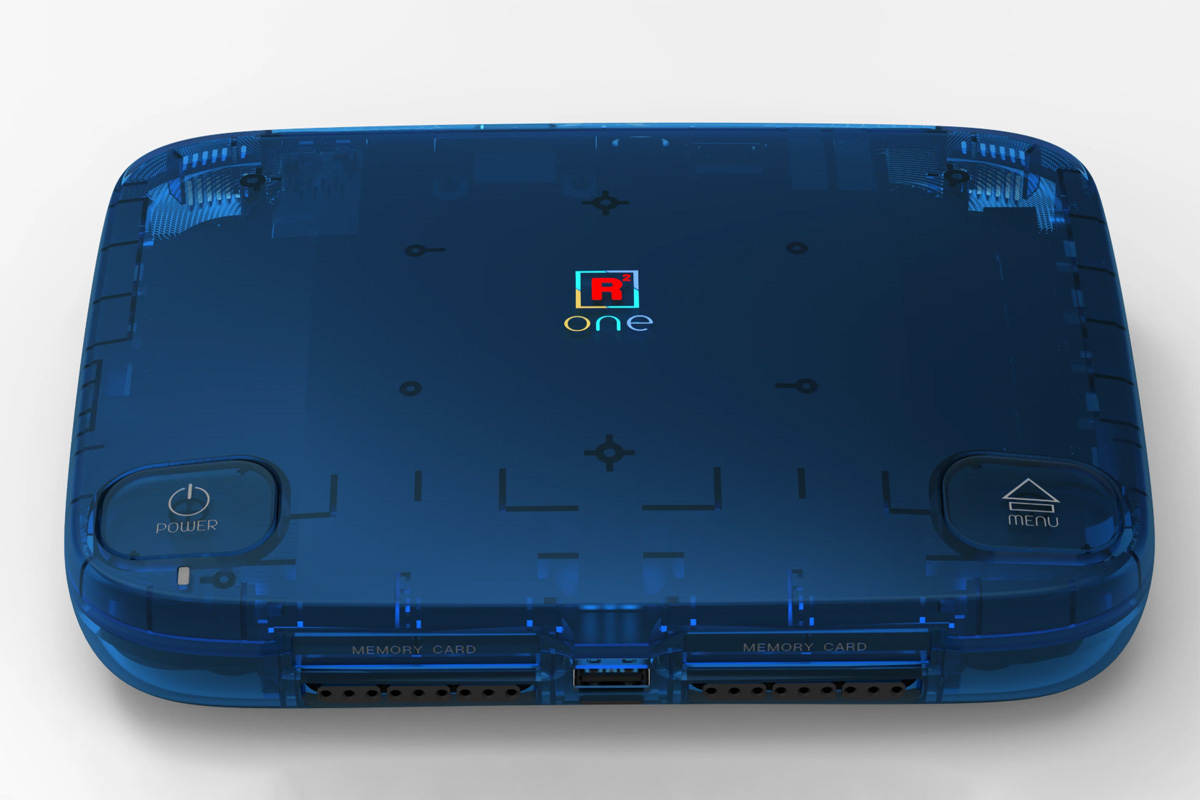
ModRetro has announced the M64, an open-source Nintendo 64-compatible console powered by an AMD Artix UltraScale+ FPGA, designed to play original cartridges using hardware-level emulation instead of software. The M64’s reliance on an AMD Artix FPGA enables accurate and responsive gameplay, and the console supports original game cartridges and controllers, while also adding modern connectivity features such as HDMI, WiFi, Bluetooth, and USB-C. ModRetro M64 specifications: FPGA – AMD Artix UltraScale+ (16nm architecture) Memory – PSRAM Storage – MicroSD card slot (for firmware updates and potential homebrew applications) Media Interfaces – Dedicated Nintendo 64 physical cartridge slot for original retro media preservation and play. Display – HDMI port (upscaling for modern TVs, supporting custom video filters like Scan Line and CRT profiles) Audio – Digital audio output via HDMI Connectivity Bluetooth with advanced “SCI” wireless mode (ModRetro’s own low-latency protocol) Wi-Fi support for firmware upgrade USB – 3x USB-C ports […]
CardputerZero – A Raspberry Pi CM0 pocket computer for makers (Crowdfunding)
CardputerZero is a pocket-sized computer based on the Raspberry Pi Compute Module Zero (CM0) and designed for makers with a 46-key matrix keyboard, a 1.9-inch LCD, HDMI video output, Fast Ethernet, three USB ports, a microphone and a speaker for voice interaction, a 14-pin GPIO header, a Grove interface, and an IR transceiver (Rx/Tx). The credit card-sized device comes in two models: CardputerZero Lite and CardputerZero. The latter also adds an 8MP camera, a 6-axis IMU, and a 32GB microSD card preloaded with the software. Both models are powered by a rechargeable 1,500 mAh LiPo battery or directly via a USB-C port. Cardputer Zero specifications: SoM – Raspberry Pi CM0 Lite SoC – Broadcom BCM2710A1 CPU – Quad-core Cortex-A53 processor @ 1.0 GHz GPU – VideoCore IV GPU supporting OpenGL ES 1.1, 2.0 graphics VPU – H.264/MPEG-4 1080p30 video decoding, H.264 1080p30 video encoding System Memory – 512MB LPDDR2 RAM Storage […]
PocketTerm35 – A Raspberry Pi 4/5-based handheld Linux terminal with 3.5-inch touch display and built-in keyboard
Waveshare PocketTerm35 is a portable handheld terminal for the Raspberry Pi 4 or 5 single board computers featuring a 3.5-inch touchscreen display and a built-in QWERTY keyboard. The device also features Gigabit Ethernet and USB 3.0/2.0 ports from the Raspberry Pi SBC, gaming buttons, a built-in stereo speaker, a 3.5mm audio jack, a USB Type-C port for power, and an optional 5,000 mAh battery. PocketTerm35 specifications: Compatible SBC – Raspberry Pi 4 Model B and Raspberry Pi 5 MCU – Raspberry Pi RP2040 MCU for keyboard, brightness, and volume Storage – Optional 64GB microSD card with OS Display – 3.5-inch 640 × 480 IPS display with 5-point capacitive touch; toughened glass panel, 6H hardness Audio Built-in 8Ω 2W stereo speaker 3.5mm audio jack Networking – Gigabit Ethernet ports (on Pi 4/5) USB – 2x USB 3.0 ports, 2x USB 2.0 ports (on Pi 4/5) User Input 67 keys QWERTY silicone keyboard […]
picoZ80 – A Z80 microprocessor drop-in replacement based on Raspberry Pi RP2350B and ESP32
The picoZ80 board is a drop-in replacement for the Z80 microprocessor based on the Raspberry Pi RP2350B dual-core Cortex-M33 microcontroller and an ESP32 wireless SoC for WiFi and Bluetooth connectivity. My first computer was a ZX81 powered by a Zilog Z80 microprocessor, which was eventually phased out in 2024 after almost 50 years of production. But retro computing enthusiasts keep the platform alive, usually with softcore FPGA implementations such as MiSTer. The picoZ80 is different as it relies on the programmable I/O (PIO) state machines from the RP2350B MCU to reproduce cycle-accurate address, data, and control buses of the Z80 MPU. picoZ80 specifications: MCU – Raspberry Pi RP2350B CPU – Dual-core Arm Cortex-M33 CPU @ up to 150/300 MHz (the two RISC-V cores do not appear to be used by the project) Memory – 520KB SRAM Storage – 8KB OTP flash Package – QFN-80 Memory – 8MB PSRAM Storage 16MB flash […]
PicoIDE – An open-source hardware IDE/ATAPI drive emulator for vintage computers (Crowdfunding)
PicoIDE is an open-source hardware IDE/ATAPI drive emulator based on a Raspberry Pi RP2350 board and designed to replace hard drives and CD-ROM drives in vintage computers with microSD card storage. Users don’t need to burn optical discs or deal with old IDE hard drives with bad blocks, and instead, they can simply put their disk images on a microSD card and swap between them as needed. Two versions are offered, namely the PicoIDE Base featuring full IDE/ATAPI emulation in a standard 3.5-inch enclosure with a microSD card slot, and CD audio output, and the PicoIDE Deluxe, adding an ESP32-C3-based front panel with WiFi connectivity, an OLED, and navigation buttons. PicoIDE specifications: MCU – Raspberry Pi RP2350 microcontroller CPU 2x Arm Cortex-M33 cores @ 150 MHz 2x Hazard3 RISC-V cores @ 150 MHz Up to two cores can be used at any time (configured at boot) Memory – 520KB SRAM […]