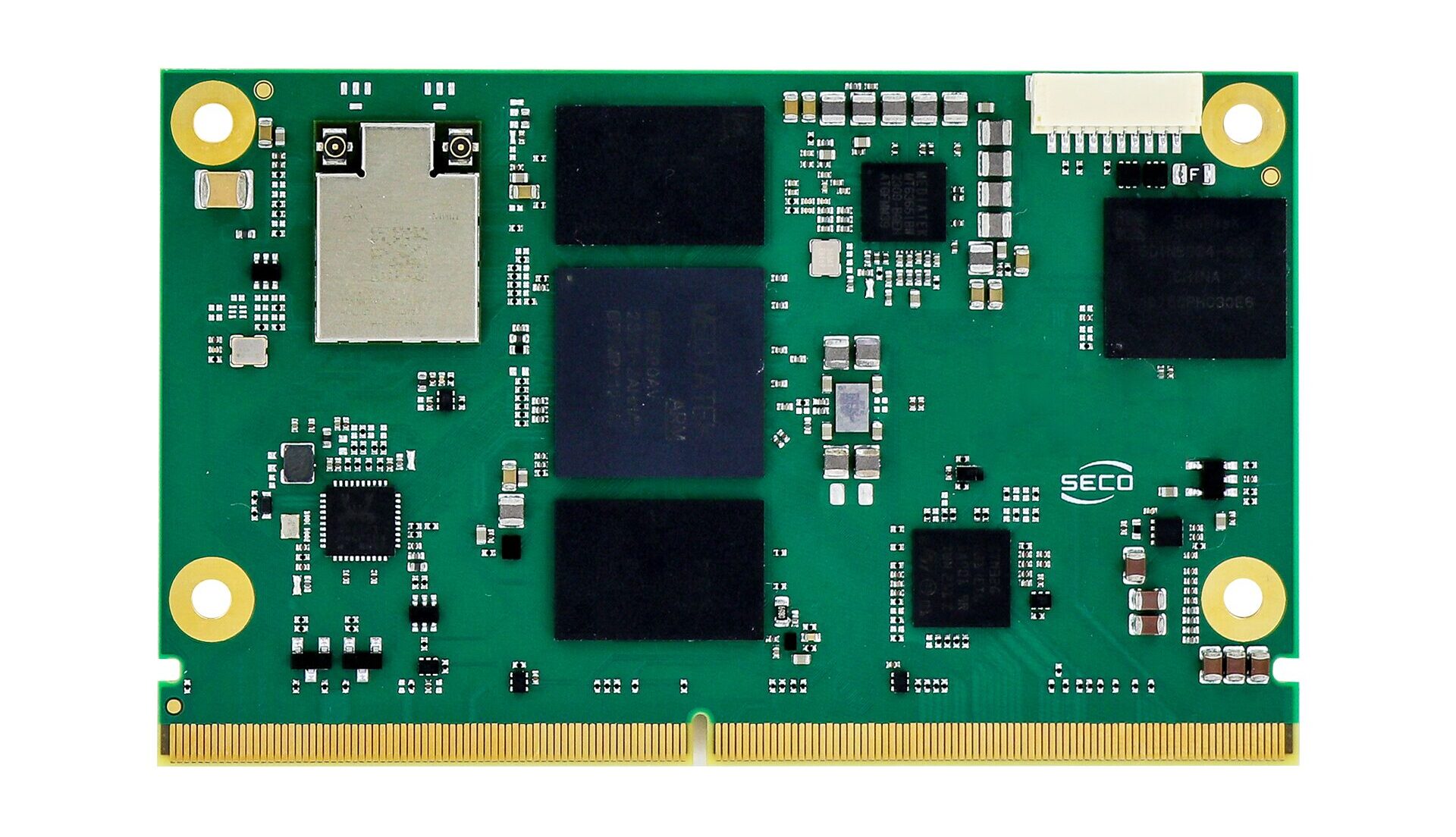
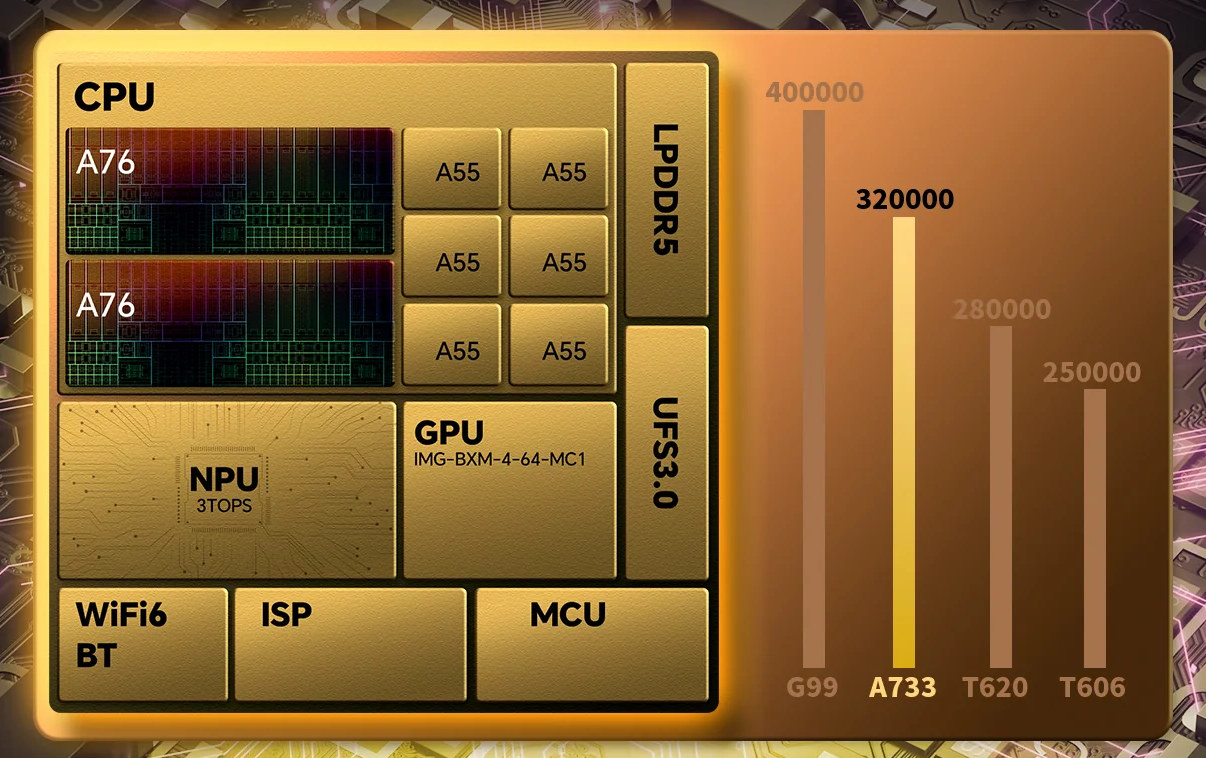
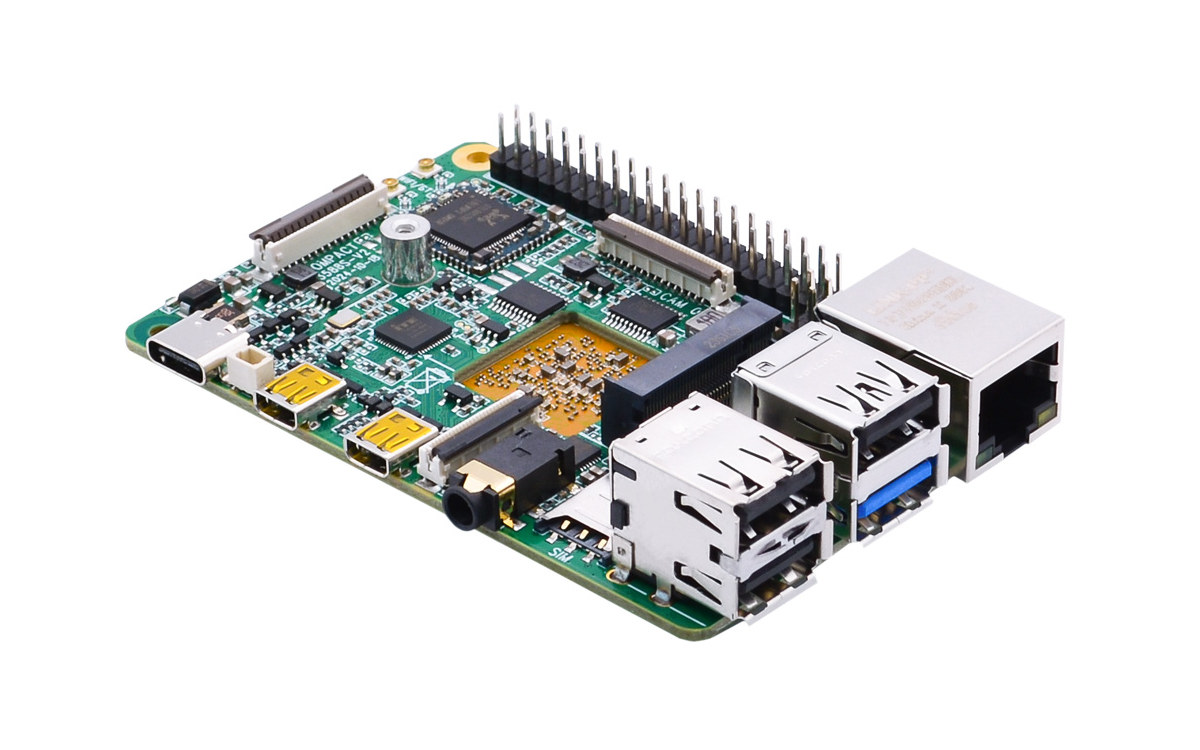
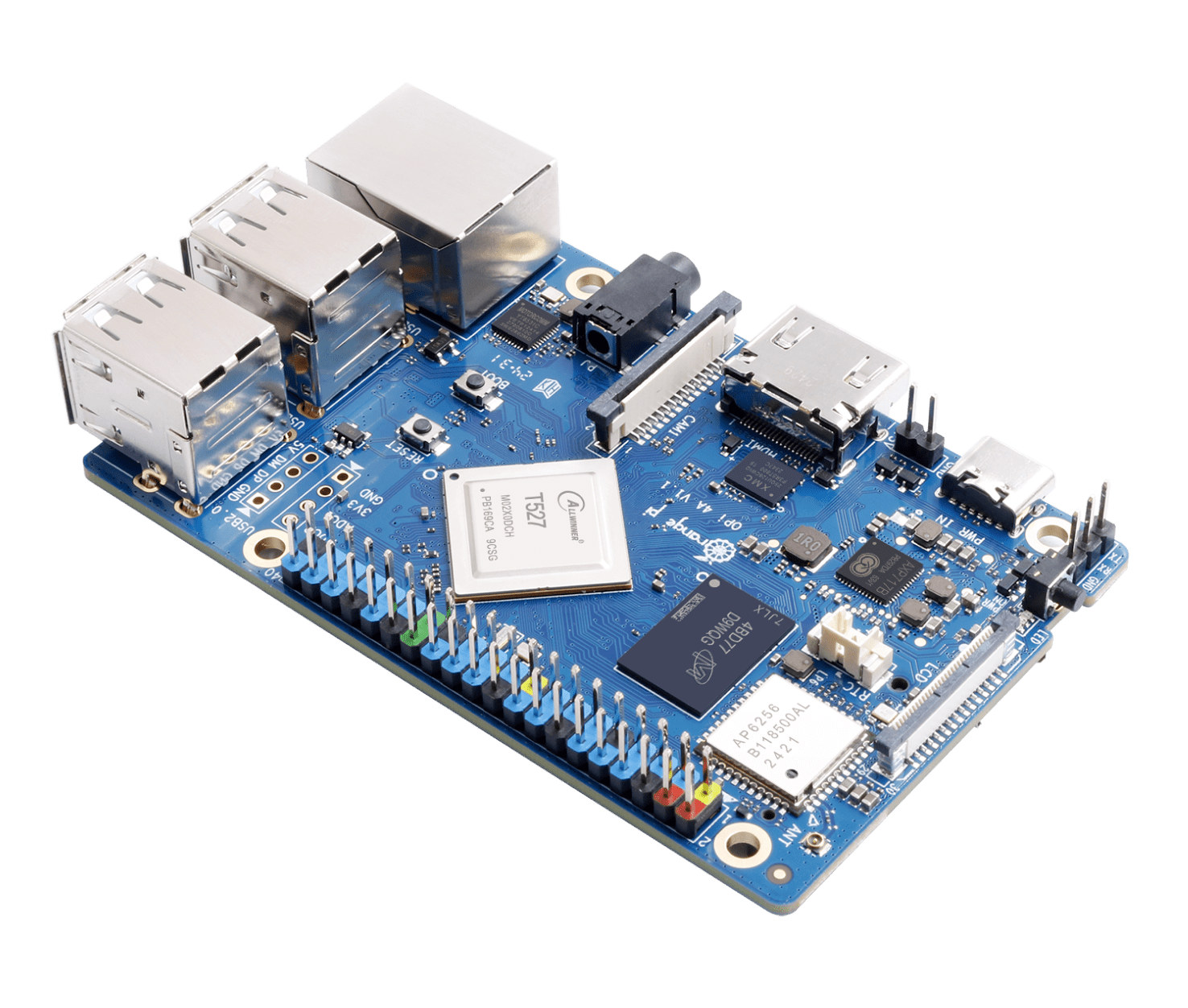
Radxa has launched its third Allwinner A733 octa-core Cortex-A76/A55 SBC with the compact Cubie A7S featuring up to 16GB LPDDR5 memory, up to 256GB eMMC flash and a microSD card slot for storage, a Gigabit Ethernet RJ45 port, and a WiFi 6 and Bluetooth 5.2 wireless module. Other features include two USB-C ports, including one supporting DisplayPort Alt mode for video output, a USB 2.0 Type-A port, a 16-pin PCIe Gen3 x1 FFC connector, 30-pin and 15-pin GPIO headers, and a 4-lane MIPI CSI camera connector. At 51 x 51 mm, it offers a middle ground between the credit card-sized Cubie A7A and the Pi Zero-sized Cubie A7Z. Cubie A7S specifications: SoC – Allwinner A733 CPU Dual-core Arm Cortex-A76 @ up to 2.00 GHz Hexa-core Arm Cortex-A55 @ up to 1.8 GHz Single-core RISC-V E902 real-time core @ up to 200 MHz GPU – Imagination Technologies BXM-4-64 MC1 GPU with […]
TrustTunnel is an open-source, high-performance VPN protocol that’s harder to detect and block
Adguard VPN is a commercial VPN solution, but the company has decided to open-source the VPN protocol and named it TrustTunnel. It’s described as a modern, secure, mobile-optimized VPN protocol. Since there are plenty of VPN protocols, including WireGuard and OpenVPN, it felt redundant at first. But AdGuard explains that those are easy to detect and block at the network level, and methods to conceal VPN traffic, such as wrapping VPN data in a TCP connection, often reduce speed. TrustTunnel relies on a different method and blends in with regular HTTPS traffic through TLS-based encryption, and HTTP/2 or HTTP/3 transport. Each connection runs on its own dedicated stream, which combines packets for more efficient transmission. The diagrams above and below illustrate this by showing that four hops are required for a standard concealed VPN, and only two hops with TrustTunnel. The company also says it is optimized for mobile platforms […]
NanoPC-T6 Plus Rockchip RK3588 SBC switches from LPDDR4x to LPDDR5 (up to 32GB)
It’s been a while since FriendlyELEC has released a board, and the NanoPC-T6 Plus SBC is more of a variant of the NanoPC-T6 and NanoPC-T6 LTS rather than a really new board. It’s still based on a Rockchip RK3588 octa-core SoC, and equipped with two HDMI 2.1 ports, an HDMI input port, MIPI DSI/CSI interfaces, two 2.5GbE ports, and M.2 sockets for NVMe SSD and wireless, among other features. The main change appears to be that the new model is now offered with up to 32GB LPDDR5 rather than up to 16GB LPDDR4x in the previous models. It’s closer to the NanoPC-T6 LTS, although it now supports two analog microphones instead of just one, and restores the M.2 Key-B socket for optional 4G LTE connectivity found in the original NanoPC-T6. The 10-pin UART + 2x USB 2.0 header found in the LTS variant gives way to a 3-pin UART debug […]
Radxa launches NX4 SoM with Rockchip RK3576(J) industrial SoC and NX4IO carrier board
Radxa NX4 is a 260-pin SO-DIMM SoM built around the Rockchip RK3576(J) octa-core Cortex-A72/A53 industrial SoC with a 6 TOPS NPU for edge AI workloads. It supports up to 16GB LPDDR5 memory along with optional SPI flash, eMMC 5.1 (up to 256GB), or UFS 2.0 storage (up to 1TB). Radxa has also introduced the NX4 IO carrier board for the module with an HDMI video output, two 4-lane MIPI CSI camera interfaces, four USB 3.2 Type-A ports, one USB 3.2 Type-C port, Gigabit Ethernet with optional PoE, and an M.2 M-key 2280 slot for storage, along with various I/Os. Radxa NX4 SoM specifications: SoC – Rockchip RK3576J (industrial-grade version) CPU – Octa-core CPU with 4x Cortex-A72 cores at 2.2 GHz, 4x Cortex-A53 cores at 2.0 GHz GPU – Arm Mali-G52 MC3 GPU with support for OpenGL ES 1.1, 2.0, and 3.2, OpenCL 2.0, and Vulkan 1.2 NPU – 6 TOPS […]
AMD launches Ryzen AI Embedded P100 and X100 processors with up to 50 TOPS of AI performance
AMD has introduced the Ryzen AI Embedded P100 and X100 x86 processors designed to power AI-driven applications at the edge, such as automotive digital cockpits, smart healthcare equipment, and humanoid robotics. AMD had previously launched several Ryzen Embedded families, starting with the Ryzen Embedded V1000 in 2018, and more recently, the Ryzen Embedded 8000 family with a 16 TOPS NPU, yet without “AI” in the name. The new AMD Ryzen AI Embedded family is based on high-performance “Zen 5” core architecture, an RDNA 3.5 GPU for real-time visualization and graphics, and an XDNA 2 NPU for low-latency, low-power AI acceleration. The P100 Series processors target in-vehicle infotainment and industrial automation, while the X100 Series processors feature higher CPU core counts and AI TOPS performance for more demanding physical AI and autonomous systems. Six models are currently available in the Ryzen AI Embedded P100 family: AMD Ryzen AI P121, P123, P121i, […]
Quectel SP895BD-AP AIoT module features Qualcomm Dragonwing Q-8750 SoC with 80 TOPS NPU
Just yesterday, we wrote about the Qualcomm Dragonwing Q‑7790 and Q‑8750 AIoT SoCs, and on the same day, Quectel launched the SP895BD-AP smart AIoT module based on the Dragonwing Q-8750. It is designed for high-performance IoT applications, including video conferencing, 8K computing power boards, and smart retail terminals, running on Android 15 or Linux. Earlier in November, we saw Qualcomm introduce the Dragonwing IQ-X series of SoCs for industrial PCs running Windows. The Q-8750 in the Quectel SP895BD-AP seems to be a variant of the high-end version, with an 8-core Oryon CPU (up to 2x 4.32 GHz + 6x 3.53 GHz) and an Adreno Series 8 GPU. It supports 8K video encoding and decoding with three ISPs for up to 3×48MP camera inputs, or a single camera input of 108MP. The module comes in a compact LGA package and supports standard interfaces like MIPI DSI/CSI, PCIe, USB, I2S, UART, I²C, […]
Qualcomm Dragonwing Q‑7790 and Q‑8750 AIoT SoCs target AI-enhanced drones, cameras, TVs and media hubs
Qualcomm has made a range of announcements at CES 2026, and notably introduced the Dragonwing Q‑7790 and Q‑8750 processors supporting on‑device AI for drones, smart cameras & industrial vision, AI TVs/media hubs, and video collaboration systems. The mid-range Dragonwing Q-7790 targets both consumer and industrial IoT devices, and offers up to 24 TOPS of on-device AI, 4K video outputs and camera inputs, and AV1 hardware video decode. The higher-end Dragonwing Q-8750 is designed for more advanced IoT applications, delivers up to 77 TOPS (dense) for real-time inference and up to 11B LLMs, handles 8K displays and 8K cameras, and supports up to 12 physical cameras for drones, media hubs, and multi-angle vision systems. Dragonwing Q-7790 Dragonwing Q-7790 (CQ7790M/CQ7790S) specifications: CPU – Octa-core Kryo processor up to 2.8 GHz 1x Gold+ core @ 2.8 GHz 4x Gold cores @ 2.4 GHz 3x Silver cores @ 1.8 GHz GPU – Qualcomm Adreno […]
Rockchip RK628D based HDMI-to-MIPI-CSI board converts HDMI video into camera feed for embedded systems
The Firefly HDMI-to-MIPI-CSI converter board converts an HDMI video and audio source into a MIPI-CSI camera stream for supported Rockchip SoCs, which is the complete opposite of the Olimex MIPI-HDMI adapter that converts MIPI DSI display signals to HDMI output. Built around the Rockchip RK628D video bridge chip, the board supports HDMI 1.4/2.0 input with 8-bit and 10-bit video, RGB888 and YUV420 color formats, and resolutions up to 4K @ 60fps. On the output side, it provides a MIPI-CSI interface compliant with MIPI D-PHY v1.2, with video output in YUV422 color format, supporting resolutions up to 4K @ 30fps. Audio output is available through a 3.5 mm headphone jack and onboard pin headers, making the board suitable for HDMI capture, smart display, micro-projector, and embedded video conversion applications. Firefly HDMI-to-MIPI-CSI board Specifications: Main Chip – Rockchip RK628D HDMI-to-MIPI CSI-2 converter Input HDMI 1.4 / HDMI 2.0 compliant 8-bit and 10-bit […]