M5Stack Capsule v1.1 is a Stamp-S3A-based IoT controller with a microSD card slot, several sensors (6-axis IMU, microphone), an IR transmitter, a built-in 250 mAh battery, a few buttons, a buzzer, an RTC, and expansion capabilities through GPIO headers and a Grove connector. It’s an upgrade to the earlier Capsule based on the Stamp-S3 module. The new version still features an ESP32-S3 WiFi and Bluetooth microcontroller, 8MB flash, a USB-C port, and a few GPIOs, but benefits from the Stamp-S3A improvements, including an optimized antenna design and lower power consumption. We never had a look at the Capsule before, so let’s do it now. M5Stack Capsule v1.1 specifications: M5Stack Stamp-S3A module WiSoC – Espressif Systems ESP32-S3FN8 CPU Dual-core 32-bit Xtensa LX7 microcontroller with AI vector instructions up to 240MHz RISC-V ULP co-processor Memory – 512KB SRAM Storage – 8MB flash Wireless – 2.4GHz WiFi 4 (802.11b/g/n), Bluetooth 5.0 LE + […]
Convert old IR remote controls into presentation clickers using an RP2040 USB board and open-source TTVKTR firmware
Brisk4t’s “Tossed The TV — Kept The Remote” (TTVKTR) is an open-source firmware project for Raspberry Pi RP2040 USB boards that aims to reduce electronics waste by converting old IR remote controls into presentation clickers. Most Raspberry Pi RP2040 boards with USB ports should work, but the project highlights the Waveshare RP2040-Zero combined with a standard 38 kHz infrared receiver due to its small size and low price ($4-5). The project also relies on the built-in RGB LED for layer color feedback. That’s about it for the hardware. It just required some basic soldering of the IR receiver to GPIO 28 (OUT), 5V or 3.3V, and GND pins. Nothing too hard. The WS2812 RGB LED is already connected to GPIO 16. I tried to look for RP2040 USB boards with a built-in IR receiver, but I could not find any. The firmware receives IR codes from a standard 38 […]
PolyCast5 – An ESP32-C5 multi-tool remote with dual-band WiFi 6, BLE, ESP-NOW, LoRa, and Infrared Tx/Rx (Crowdfunding)
PolyCast5 is a portable, hackable ESP32-C5-based multi-tool remote to control devices through five different core wireless technologies: WiFi 6, Bluetooth LE, ESP-NOW, LoRa, and infrared Tx/Rx. The all-in-one controller can be used for cybersecurity work, a standard IR learning remote control, a voice-enabled password manager, a robotic arm controller, an AI keyboard using the built-in microphone and Bluetooth connectivity, a long-range LoRa remote control, DIY electronics projects through a 4-pin GPIO header, and more. PolyCast5 specifications: Wireless module – ESP32-C5-WROOM-1 SoC – ESP32-C5 CPU Single-core 32-bit RISC-V processor @ up to 240 MHz Low-power RISC-V core @ 40 MHz acting as the main processor for power-sensitive applications Memory – 384 KB SRAM on-chip, 8MB PSRAM Storage – 320 KB ROM Wireless Connectivity Dual-band (2.4GHz/5 GHz) 802.11ax WiFi 6, with 802.11b/g/n WiFi 4 standard fallback Bluetooth 5.0 Low Energy (LE) 802.15.4 radio for Zigbee 3.0 and Thread 1.3 (note: support not […]
CardputerZero – A Raspberry Pi CM0 pocket computer for makers (Crowdfunding)
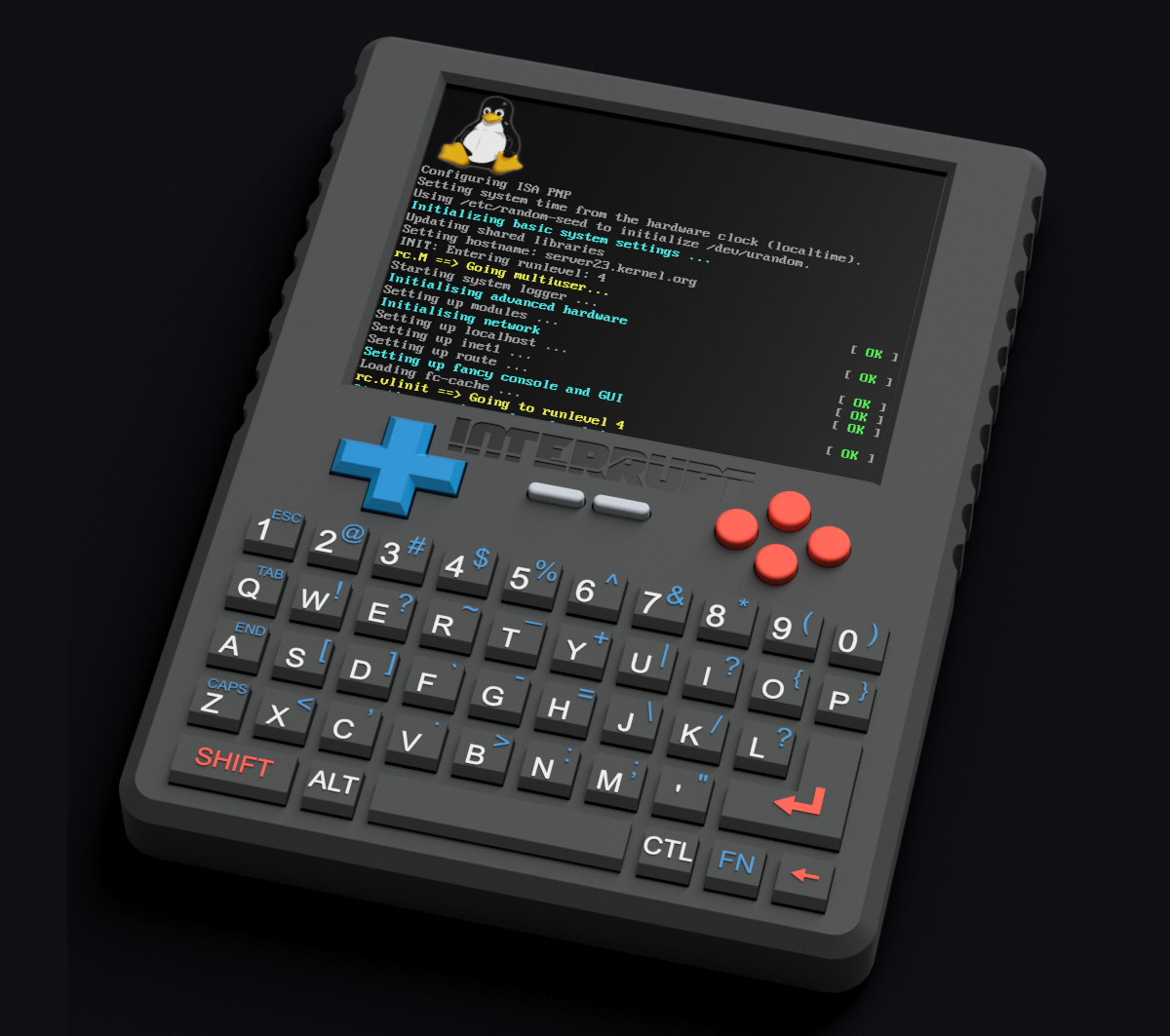
CardputerZero is a pocket-sized computer based on the Raspberry Pi Compute Module Zero (CM0) and designed for makers with a 46-key matrix keyboard, a 1.9-inch LCD, HDMI video output, Fast Ethernet, three USB ports, a microphone and a speaker for voice interaction, a 14-pin GPIO header, a Grove interface, and an IR transceiver (Rx/Tx). The credit card-sized device comes in two models: CardputerZero Lite and CardputerZero. The latter also adds an 8MP camera, a 6-axis IMU, and a 32GB microSD card preloaded with the software. Both models are powered by a rechargeable 1,500 mAh LiPo battery or directly via a USB-C port. Cardputer Zero specifications: SoM – Raspberry Pi CM0 Lite SoC – Broadcom BCM2710A1 CPU – Quad-core Cortex-A53 processor @ 1.0 GHz GPU – VideoCore IV GPU supporting OpenGL ES 1.1, 2.0 graphics VPU – H.264/MPEG-4 1080p30 video decoding, H.264 1080p30 video encoding System Memory – 512MB LPDDR2 RAM Storage […]
Sipeed T256s – A USB thermal camera with 256×192 LWIR sensor, 640×480 AI super resolution
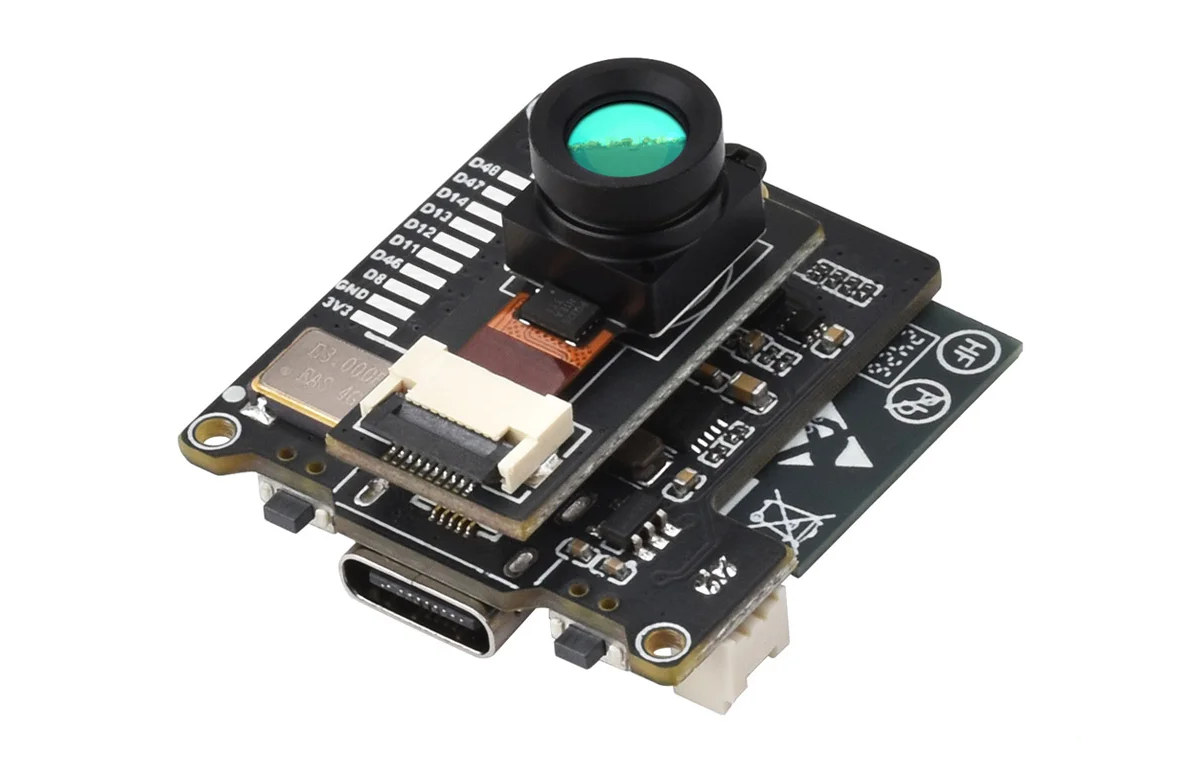
Sipeed T256s is a portable USB thermal camera equipped with a native 256×192 Long-Wave Infrared (LWIR) sensor and a built-in 2.4 TOPS NPU for hardware-level AI super-resolution (ISR) up to 640×480 resolution in real time, effectively suppressing image noise without external software. The UVC camera device supports standard output (Y16 raw and MJPEG) and features both male and female USB Type-C ports on opposite ends for connection to PCs and smartphones. It also includes a 1.69-inch touchscreen for standalone operation with live viewing, palette switching, hotspot tracking, and image capture. Other features include an optional macro lens (~5 cm focus) for inspecting small components, internal storage for snapshots, <50 mK thermal sensitivity, a 25 Hz frame rate, and a durable CNC aluminum enclosure for efficient heat dissipation. The device is designed for electronics R&D, industrial maintenance, and HVAC diagnostics. Sipeed T256s specifications: SoC – Axera AX620Q (updated, see comments section); […]
M5Stack NanoH2 – An ultra-compact ESP32-H2 IoT development kit with Zigbee, Thread, and Matter connectivity
M5Stack NanoH2 is an ultra-compact, standalone IoT development kit powered by an Espressif Systems’ ESP32-H2 wireless SoC with support for Zigbee, Thread, and Matter, and designed for smart home and low-power wireless applications. It also features a built-in LED, an RGB LED, an infrared transmitter, a Grove port for expansion, a user button, and a USB-C port for power and programming. On the surface, it looks very similar to the Unit Gateway H2 introduced last March, with an ESP32-H2 SoC and a Grove connector. But while the earlier model is designed as an add-on board to other M5Stack products, the NanoH2 is a standalone development kit that you can use directly without another board from M5Stack. M5Stack NanoH2 specifications: SoC – Espressif Systems ESP32-H2FH4S CPU – 32-bit RISC-V SoC clocked at up to 96 MHz Memory – 320 KB SRAM, 4 KB LP memory Storage – 128 KB ROM, 4MB […]
XIAO Smart IR Mate Review – A compact smart infrared remote control hub for Home Assistant
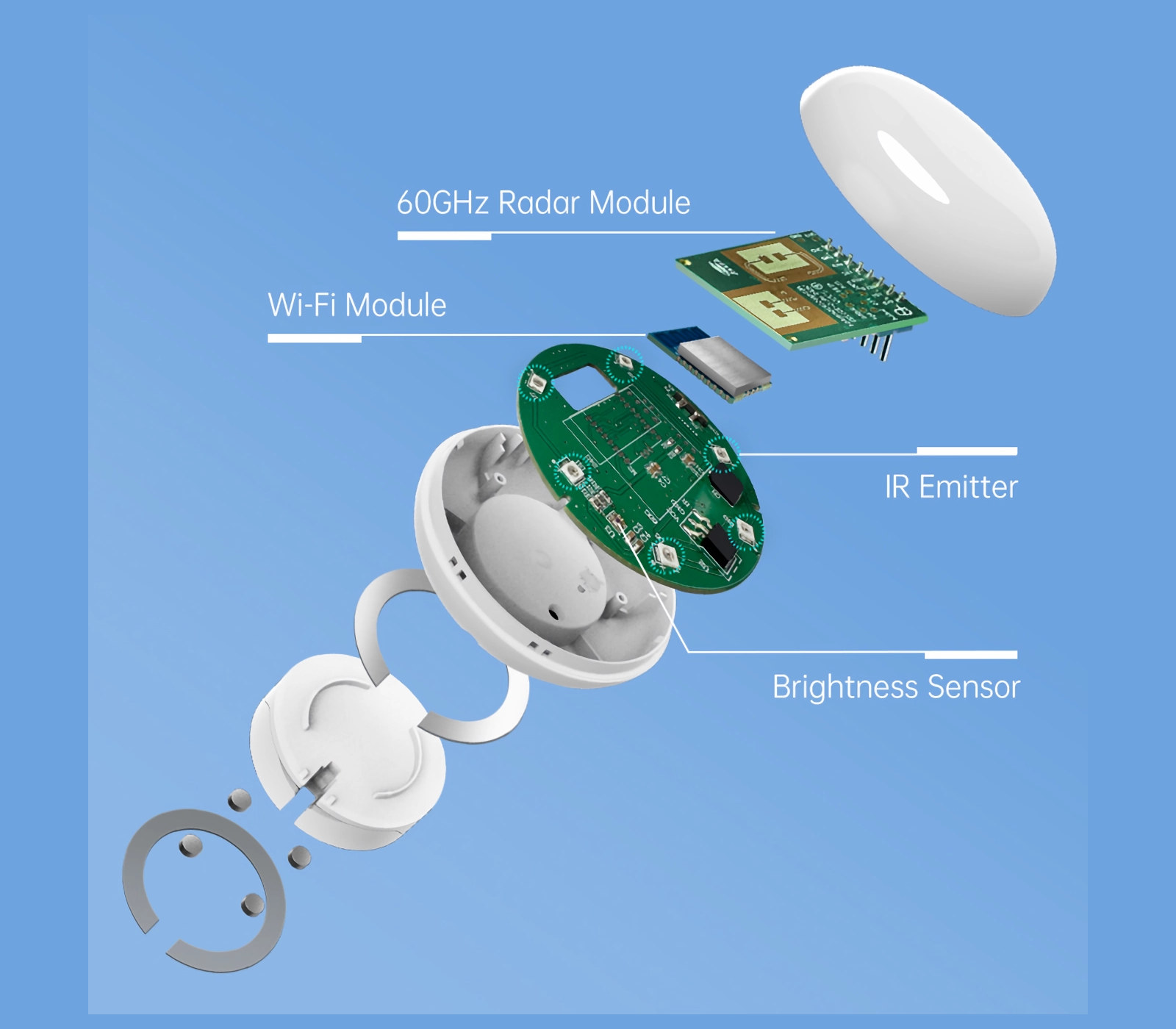
SeeedStudio sent us a tiny Smart IR Remote hub for review: XIAO Smart IR Mate, or XIAO IR Mate for short. At first glance, it looks like any other WiFi IR blasters, but what makes it interesting is that the device is built on an open architecture using the XIAO ESP32C3 module and runs on ESPHome, working natively with the Home Assistant open-source home automation platform. As usual, SeeedStudio gives access to the source code, so it’s super convenient if you want to tweak the functions yourself to fit various needs. For those who are new to Smart IR, it’s a device that acts as an infrared (IR) control hub. The idea is to let you control legacy IR-based devices (old TVs, air conditioners, stereos, etc.) via a Smart Home system. We did several tests with several devices we had lying around, namely a Hatari oscillating fan, a Dyson blade-less […]
WiFIRCard – A credit card-sized WiFi and IR-controlled dual relay board (Crowdfunding)
WiFIRCard is a credit card-sized ESP32-S3 board designed for home automation with two relays and a few GPIOs (headers and screw terminals) that can be controlled over WiFi 4 or an IR (infrared) remote control. The board also features a microSD card slot for data logging or other storage uses, a buzzer for audio feedback, a USB-C port for power and programming, and a few buttons and LEDs. WiFiRCard specifications: Wireless module – ESP32-S3-WROOM-1 with Xtensa® LX7 dual-core 32-bit SoC – Espressif Systems ESP32-S3 CPU – Dual-core Tensilica LX7 up to 240 MHz with vector extension for AI/ML workloads RAM – 512KB SRAM, up to 8MB PSRAM Storage – Up to 16MB flash Wireless – WiFi 4 and Bluetooth LE 5 Antenna – PCB antenna Storage – MicroSD card slot for data logging/storage USB – 1x USB Type-C port for power and programming Relays 2x HLS8L-DC5V-S-C relays 10A/250V AC, 15A/120V AC, […]