The BeagleBoard.org Foundation has just introduced the BeagleBadge featuring a 4.2-inch ePaper display and a Linux-capable Texas Instruments Sitara AML62L32 dual-core Cortex-A53 SoC. It’s quite feature-rich for a badge, as it offers WiFi 6, Bluetooth 5.4 LE, and LoRa/LoRaWAN connectivity, various motion and environmental sensors, a USB 2.0 host port, Mikrobus, Grove, and QWIIC expansion connectors, a 4-way joystick, a buzzer, and a range of buttons and LEDs. BeagleBadge specifications: SoC – Texas Instruments Sitara AM62L32 dual-core Arm Cortex-A53 processor @ 1.25GHz System Memory – 256 MB (128M x 16bit) LPDDR4 @ 1600 MHz Storage 4GB eMMC flash 256Mbit OSPI flash 32Kbit EEPROM MicroSD card slot Display 4.2-inch ePaper display via 24-pin FPC Connector MIPI DSI connector for LCD Wireless 2.4 GHz WiFi 6 + Bluetooth 5.3 via BeagleMod CC3301-1216 module with MHF4 Connector LoRaWAN via Wio SX1262 module with u.FL Connector USB USB 2.0 Type-A host port USB Type-C […]
NanoPi NEO3 Plus – A tiny Rockchip RK3528A headless SBC with Gigabit Ethernet, USB 3.0 port, GPIO header
FriendlyELEC NanoPi NEO3 Plus is an ultra-compact headless SBC powered by a Rockchip RK3528A SoC paired with 1GB RAM, whose main interfaces are a Gigabit Ethernet jack, a USB 3.2 port, and a 26-pin GPIO header. I can still remember using its predecessor, the NanoPi NEO3, based on a Rockchip RK3328, which I reviewed with Armbian in 2020. The new model is similar, with a quad-core Cortex-A53 SoC but clocked at 2.0 GHz instead of 1.5 GHz, and offered with a black metal case instead of a white plastic case. The OS can still be booted from a microSD card, but the NanoPi NEO3 Plus also offers a socket for an optional eMMC flash module, and adds an RTC battery connector, a speaker connector, and a MASK button for firmware updates. NanoPi NEO3 Plus specifications: SoC – Rockchip RK3528A CPU – Quad-core ARM Cortex-A53 @ 2.0 GHz GPU – Arm […]
DShanPi-A1 AI Education Rockchip RK3576 SBC features HDMI input and output ports, dual GbE
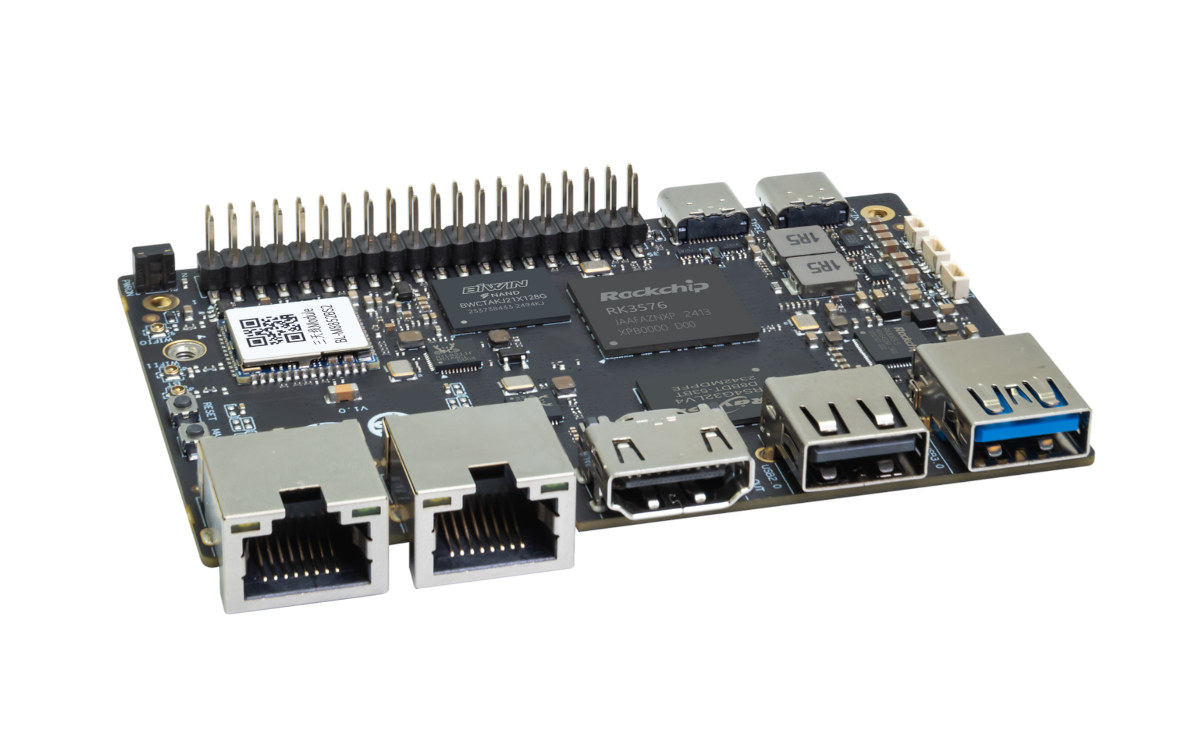
DshanPi-A1 AI Education is a single board computer (SBC) powered by a Rockchip RK3576 octa-core Cortex-A72/A53 SoC, and paired with up to 8GB RAM and 64GB eMMC flash, which I first discovered in the Linux 6.19 changelog. The board features HDMI 2.1 video output, a mini HDMI video input port, a MIPI DSI display interface, two MIPI CSI connectors for up to four cameras, dual GbE, an M.2 Key-E socket for WiFi and Bluetooth, a few USB ports, and a 40-pin GPIO header compatible with some Raspberry Pi HAT boards. DShanPi-A1 specifications: SoC – Rockchip RK3576 CPU – Octa-core CPU with 4x Cortex-A72 cores at 2.2 GHz, 4x Cortex-A53 cores at 2.0 GHz (1.6GHz for Industrial and Automotive) GPU – Arm Mali-G52 MC3 GPU with support for OpenGL ES 1.1, 2.0, and 3.2, OpenCL 2.0, and Vulkan 1.2 NPU – 6 TOPS (INT8) AI accelerator with support for INT4, INT8, […]
OpenMediaVault 8 (OMV8) ” Synchrony” released for 64-bit x86 (AMD64) and Arm (ARM64) platforms only
OpenMediaVault 8, or OMV8 for shorts, codenamed “Synchrony” has been released, now supporting only 64-bit architectures (AMD64 and ARM64), and dropping 32-bit systems based on the i386, armel, and armhf architectures. OpenMediaVault is a popular, open-source network-attached storage (NAS) solution based on Debian Linux that’s been around for many years. I had my first experience with it in 2017 when I reviewed FriendlyELEC NanoPi NEO NAS Kit based on a NanoPi NEO2 SBC with an Allwinner H5 64-bit Cortex A53 SoC, but sadly not recommended for OMV8 (more on that below). The main reason for killing 32-bit support is that the Salt Project only supports 64-bit builds. OpenMediaVault 8 highlights: Upgrade to Debian 13 (Trixie). Replace cpufrequtils with linux-cpupower Improve several user and group-related RPCs. Developers should note that the RPCs UserMgmt::enumerateSystemUsers, UserMgmt::enumerateUsers, UserMgmt::enumerateAllUsers and UserMgmt::getUserList now return only basic user information. Set the parameter detail to full to get […]
Banana Pi BPI-CM6 – A SpacemiT K1 RISC-V system-on-module compatible with Raspberry Pi CM4/CM5 carrier boards
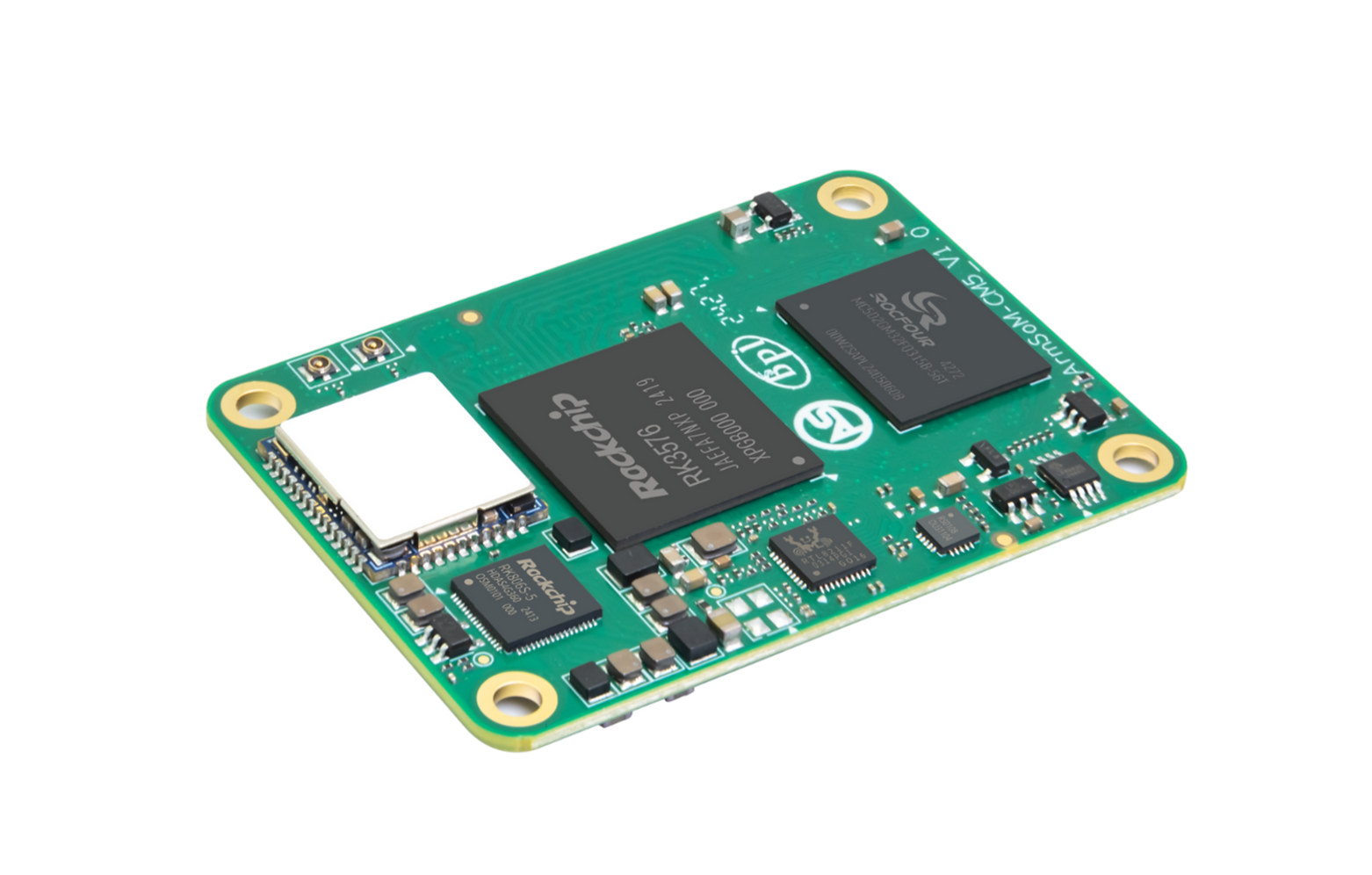
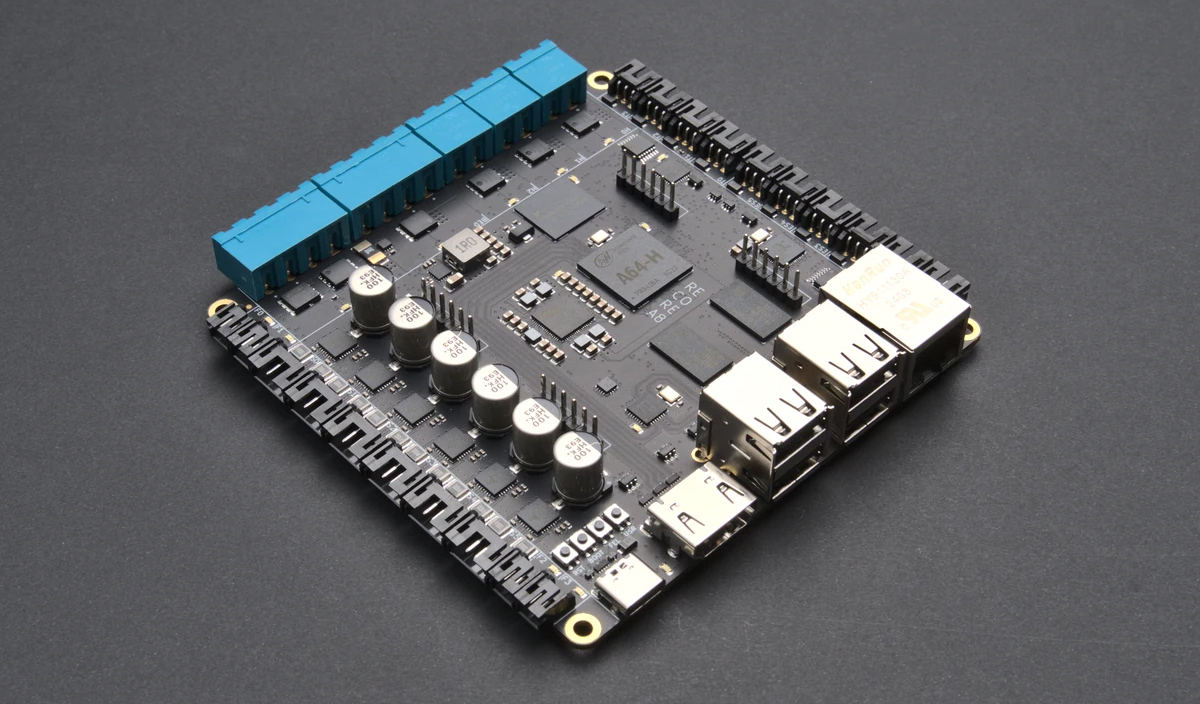
Banana Pi BPI-CM6 system-on-module (SoM) is powered by a SpacemiT K1 octa-core RISC-V processor and compatible with most carrier boards for the Raspberry Pi CM4 or CM5 modules. It ships with 8GB LPDDR4 and 16GB eMMC flash by default, a Gigabit Ethernet PHY, and a WiFi 5 and Bluetooth 4.1 wireless module. It exposes most interfaces through three 100-pin board-to-board connectors with HDMI 1.4, MIPI DSI, three MIPI CSI, five PCIe 2.1 lanes, USB 3.2/2.0 interfaces, and more. While it can work with Raspberry Pi CM4/CM5 carrier boards using two of the B2B connectors, the company also designed the BPI-CM6 IO carrier board to make full use of all the interfaces, especially the PCIe lanes. Banana Bi BPI-CM6 SoM Let’s check the module itself first. Banana Pi BPI-CM6 specifications: SoC – SpacemIT K1 CPU – 8-core X60 RISC-V (RV64GCVB) processor @ 1.6 GHz (roughly Cortex-A55 equivalent) GPU – Imagination IMG […]
Sakura Pi RK3308B SBC offers RGB LCD interface, supports mainline Linux
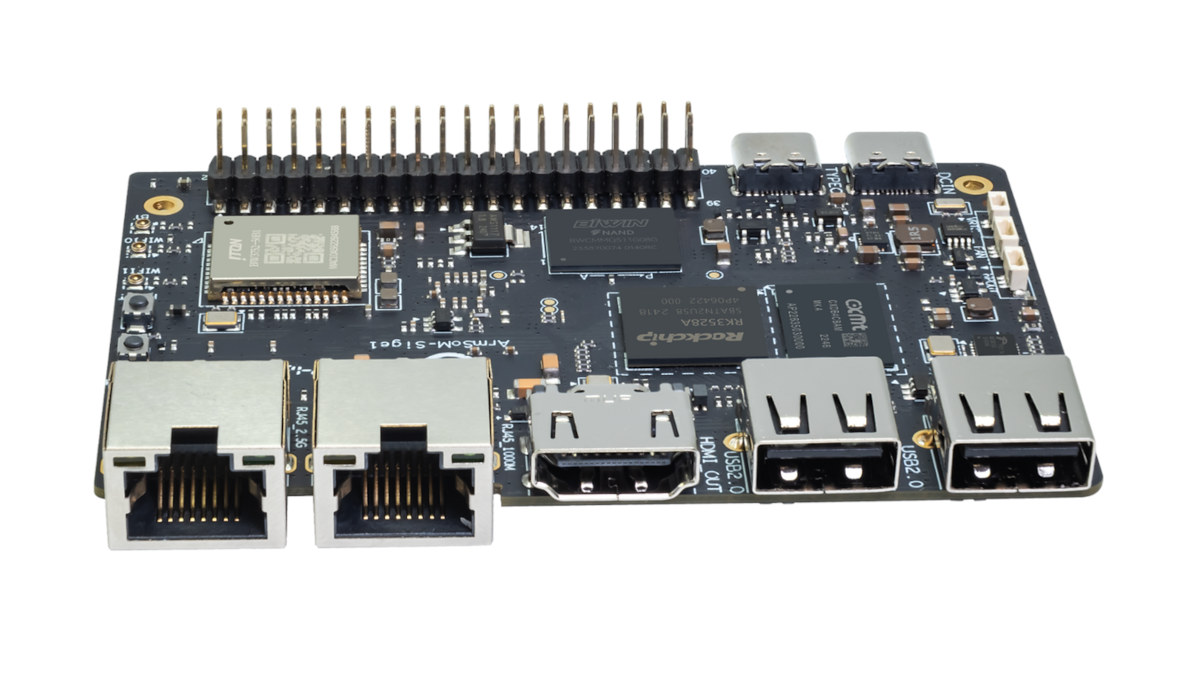
Sakura Pi RK3308B is a small SBC powered by the Rockchip RK3308B quad-core Cortex-A35 SoC that I saw when I covered the Linux 6.17 release at the end of last month. The board comes with 512 MB of DDR3 memory, a microSD card slot, an optional 4 GB or 8 GB eMMC flash, an RGB LCD interface to connect an LCD, two USB-C ports (one host, one OTG), a WiFi 5 and Bluetooth 4.2 module, and the usual 40-pin GPIO header. Sakura Pi RK3318B specifications: SoC – Rockchip RK3308B quad-core Arm Cortex-A35 processor @ up to 1.3 GHz with built-in VAD (Voice Activity Detector); No GPU System Memory – 512 MB DDR3 SDRAM Storage MicroSD card slot Optional 4 GB or 8 GB eMMC flash Display I/F – 18-bit RGB666 LCD interface Connectivity – Dual-band WiFi 5 & Bluetooth 4.2 via Ampak AP6255 module and ceramic antenna or external antenna via […]
Rockchip RK3588 4K video encoder features four SDI inputs, four SDI loop outputs
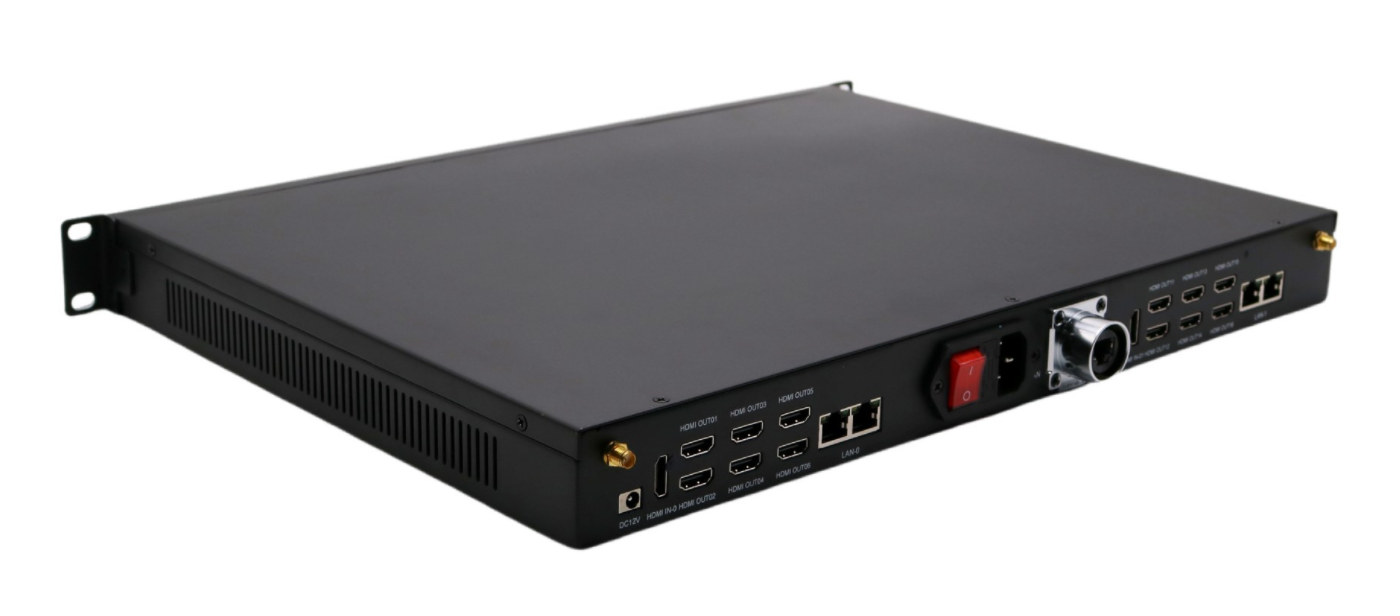
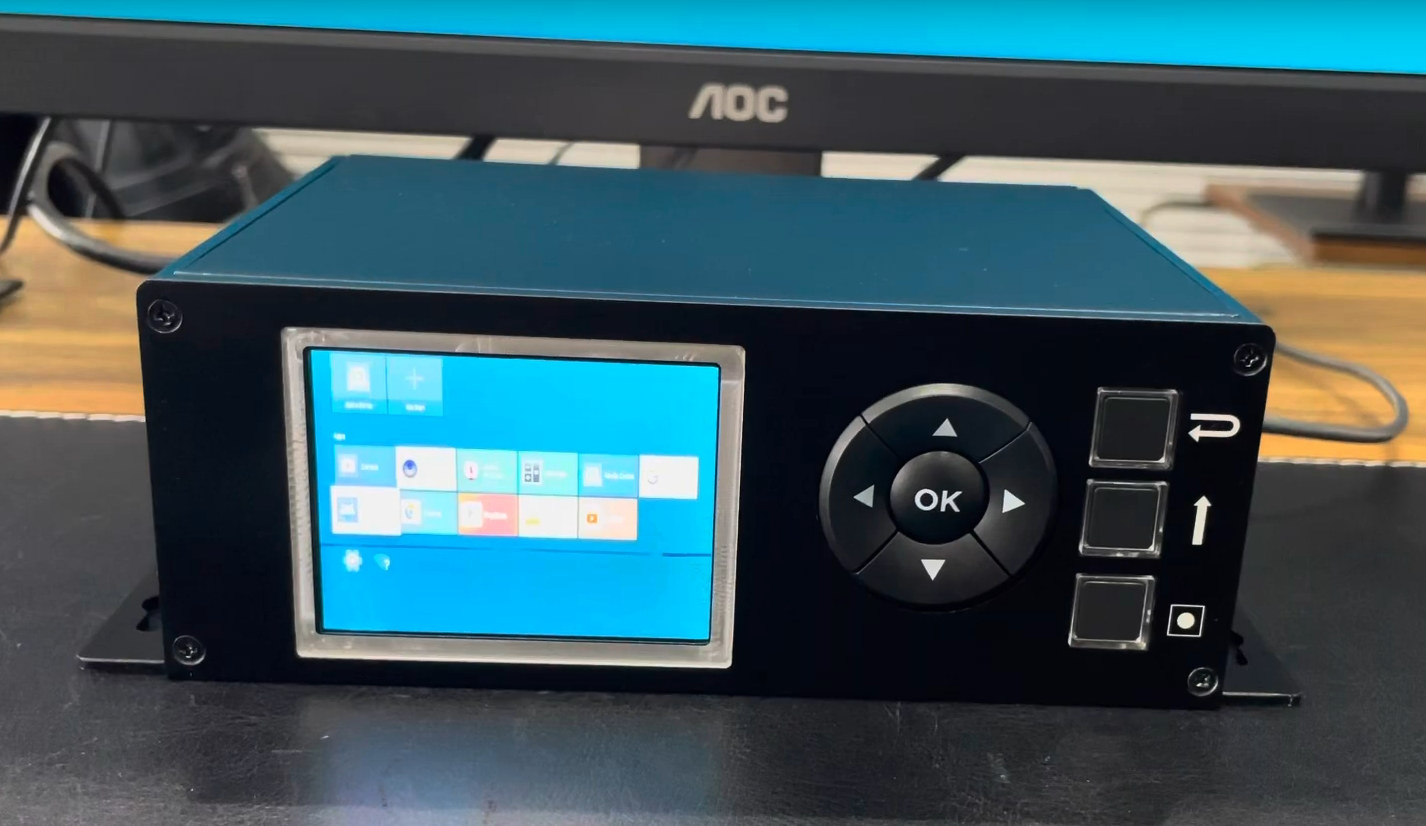
Mekotronics R58-4×4 3U is yet another device based on Rockchip RK3588 from the company, but this product is a 4K video encoder with four SDI inputs, and four SDI loop outputs mirroring the SDI inputs. SDI (Serial Digital Interface) inputs are used for transmitting uncompressed, unencrypted digital video signals and typically found in professional video production and broadcasting environments. The SDI interface can also be found in security cameras like the MOKOSE SHD50-2.8-12MM and I can also see it used in cameras designed for live streaming on YouTube, or other services. The main advantages of SDI over interfaces like USB, HDMI, or Ethernet, are that it can use longer cables up to 300 meters, offers better signal integrity, and has near zero latency. Compatibility for professional camera equipment is another advantage. Let’s look at the Mekotronics R58-4×4 3U specifications: SoC – Rockchip RK3588 octa-core processor with CPU – 4x CortexA76 […]
Armbian v25.2 and DietPi v9.11 released with updated Ubuntu and Debian-based Linux images for single board computers
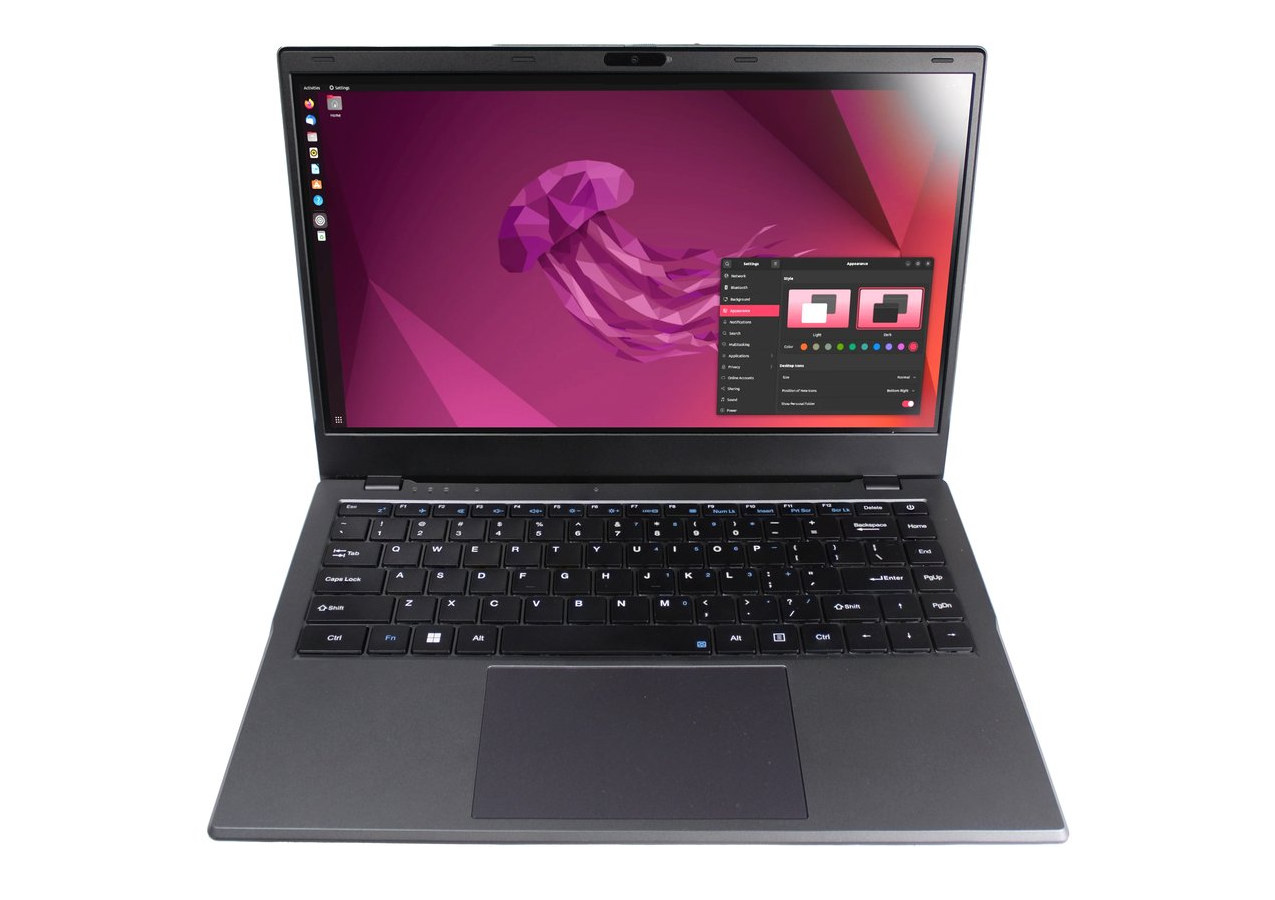
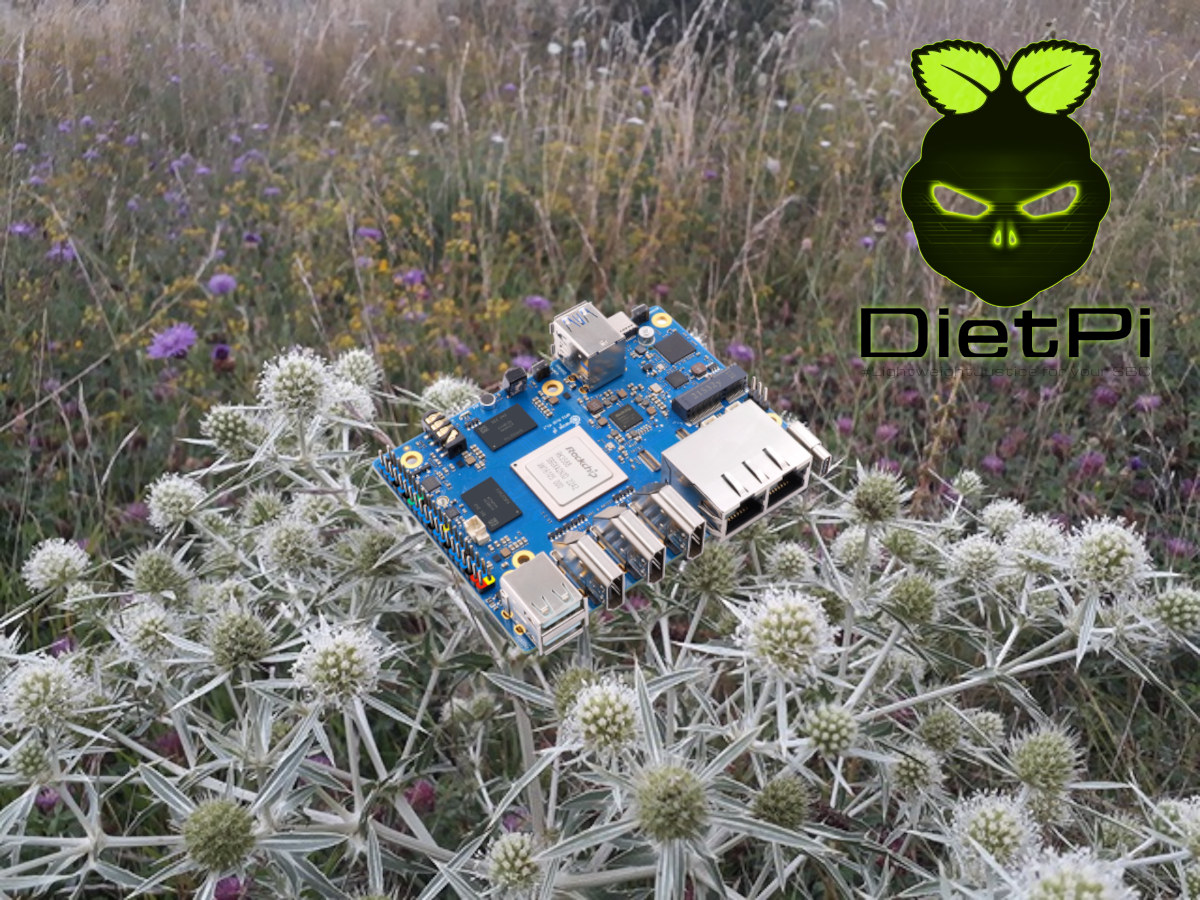
Vendor-provided Linux images for single board computers are not always working optimally, so this post is a regular reminder that users may want to check out Armbian and DietPi projects mostly supported by the community but also backed by some of the vendors who offload some (repackaging) software work to them. Armbian and DietPi are separate projects, but this month, Armbian v25.2 and DietPi v9.11 were almost released simultaneously. I don’t report on each release (should I?), but they release an update every few months. The last time we had a look at both projects was in September 2024 for the releases of DietPi 9.7 and Armbian 24.8. Let’s see what the new releases have to bring. Armbian v25.2 Main changes: New Boards – Rock 2A and 2F, NanoPi R3S, Retroid Pocket RP5, RPMini, Rock 5T, GenBook, MKS-PI, SKIPR, Armsom CM5, NextThing C.H.I.P, Magicsee C400 Plus Rockchip 3588 Improvements – […]